“Ultimate Antarctica” with the Falklands and South Georgia
Antarctica, Falklands & South Georgia (Ship: m/v Ocean Albatros)
Explore Antarctica and the incredible islands of the Falklands and South Georgia over Christmas and New Year with a planned crossing of the Antarctic Circle
A cruise to the Falkland Islands, South Georgia and the Antarctic Peninsula is an incredible and truly life-changing experience combining the “Great White Continent” with two very different but equally amazing subantarctic islands.
Unlike many other voyages which combine these destinations, this cruise will spend multiple days around the Peninsula with the plan being to also cross the Antarctic Circle, something which relatively few ships do.
As a result, we consider this voyage is an extremely comprehensive itinerary and as clients will travel over Christmas and New Year, it will make for a truly unforgettable festive season.
Tour Dates & Prices
Tue 22nd December 2026
Wed 13th January 2027
- Phone Us to Book
Tour Cost: 23 Days from £21650 * excluding flights
* The price quoted above is per person for the most basic cabin with the deposit due depending on the cabin category which is booked.
What's Included?
- All meals throughout the voyage aboard the ship with beer, wine, and non-alcoholic beverages with dinner.
- Snacks, coffee and tea available during the day.
- All shore excursions and activities throughout the voyage by zodiac.
- One night in a hotel in Ushuaia prior to boarding the ship.
- Programme of lectures by noted naturalists and leadership by experienced expedition staff.
- Luggage transfer from pick-up point to the vessel on the day of embarkation in Ushuaia.
- All miscellaneous service taxes and port charges throughout the programme.
- Comprehensive pre-departure material.
- Expedition jacket on loan, custom down jacket to keep.
Cost Excludes
Any airfare, whether on scheduled or charter flights. Pre- and post-land arrangements. Passport and visa expenses. Government arrival and departure taxes. Meals ashore. Baggage, cancellation and personal insurance (which is strongly recommended). Excess baggage charges and all items of a personal nature such as laundry, bar, beverage charges and telecommunication charges. The customary gratuity at the end of the voyages for stewards and other service personnel aboard (guidelines will be provided).
Additional Information
Cabin Prices
- Triple: £21,650 per person
- Twin Porthole: £25,250 per person
- Single Porthole: £32,425 per person
- French Balcony: £26,650 per person
- Balcony: £27,975 per person
- Superior Balcony: £28,825 per person
- Grand Balcony: £30,250 per person
- Junior Suite: £34,625 per person
- Freydis Suite: £40,325 per person
- Brynhilde Suite: £48,995 per person
For more details about the ship, m/v Ocean Albatros, click here
Information about the cabins available on this cruise can be found here
The Cruise Cost is the amount you will pay Wildwings.
For all expedition cruises, we work very closely with a dedicated agent at Travel Counsellors, Sacha Barbato, who is essentially now our “in house” flight consultant and we recommend using him for your flights.
Sacha is a highly experienced independent ATOL bonded travel agent, and his contact details are as follows: [email protected] and 01603 360099
He will be able to advise you which flights we are recommending for each cruise and will be able to book these for you.
This will also sometimes give you the option to travel from a regional airport if you prefer.
Please note that for all expedition cruises, Wildwings is acting as agent for the ship operator and you will need to sign up to their terms and conditions.
Tour Highlights
- Comprehensive 23-day cruise on a comfortable expedition ship with wide choice of cabins, many with balconies
- Visit the Falklands, South Georgia and Antarctica
- Itinerary includes planned crossing of the Antarctic Circle
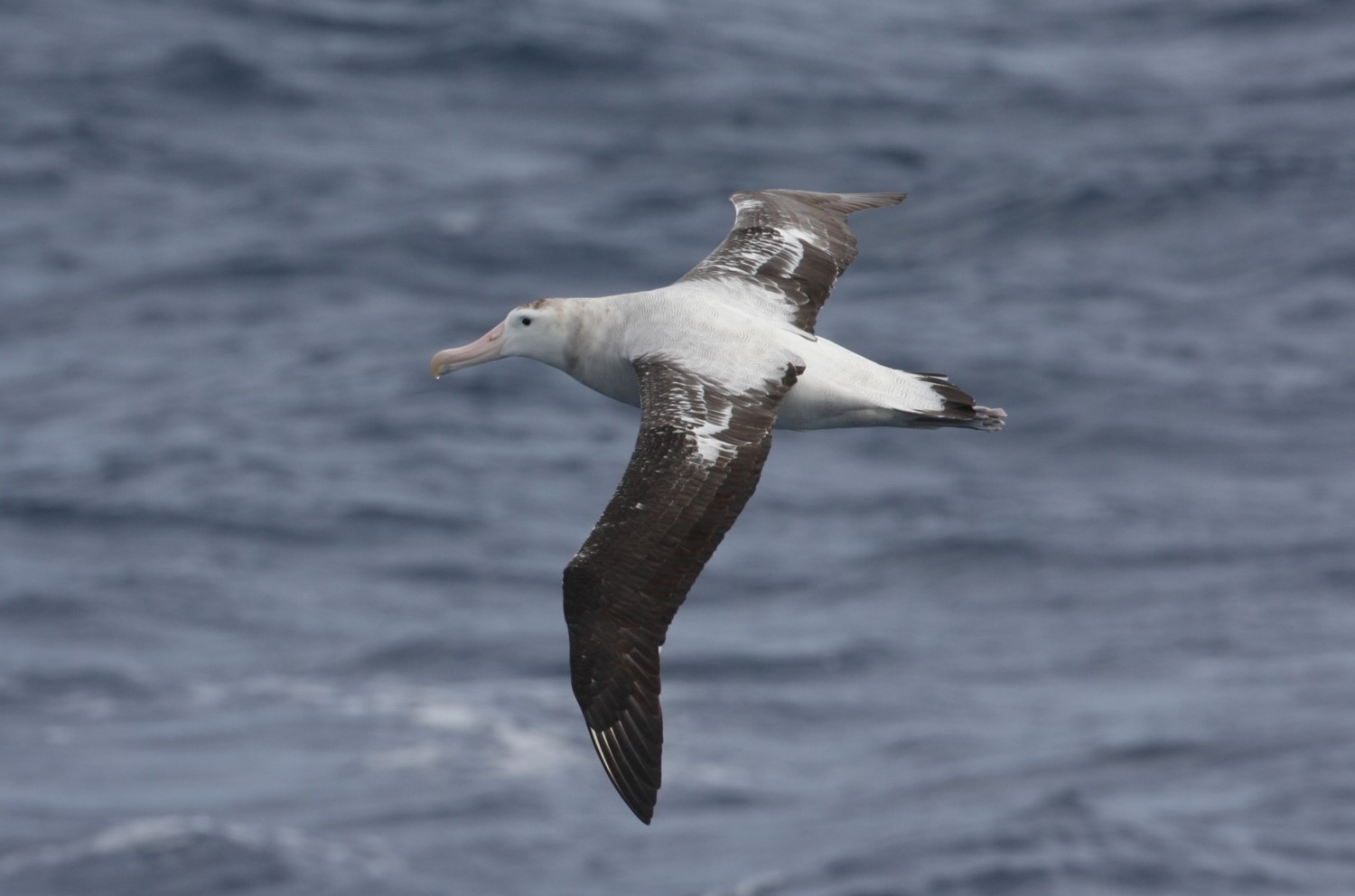
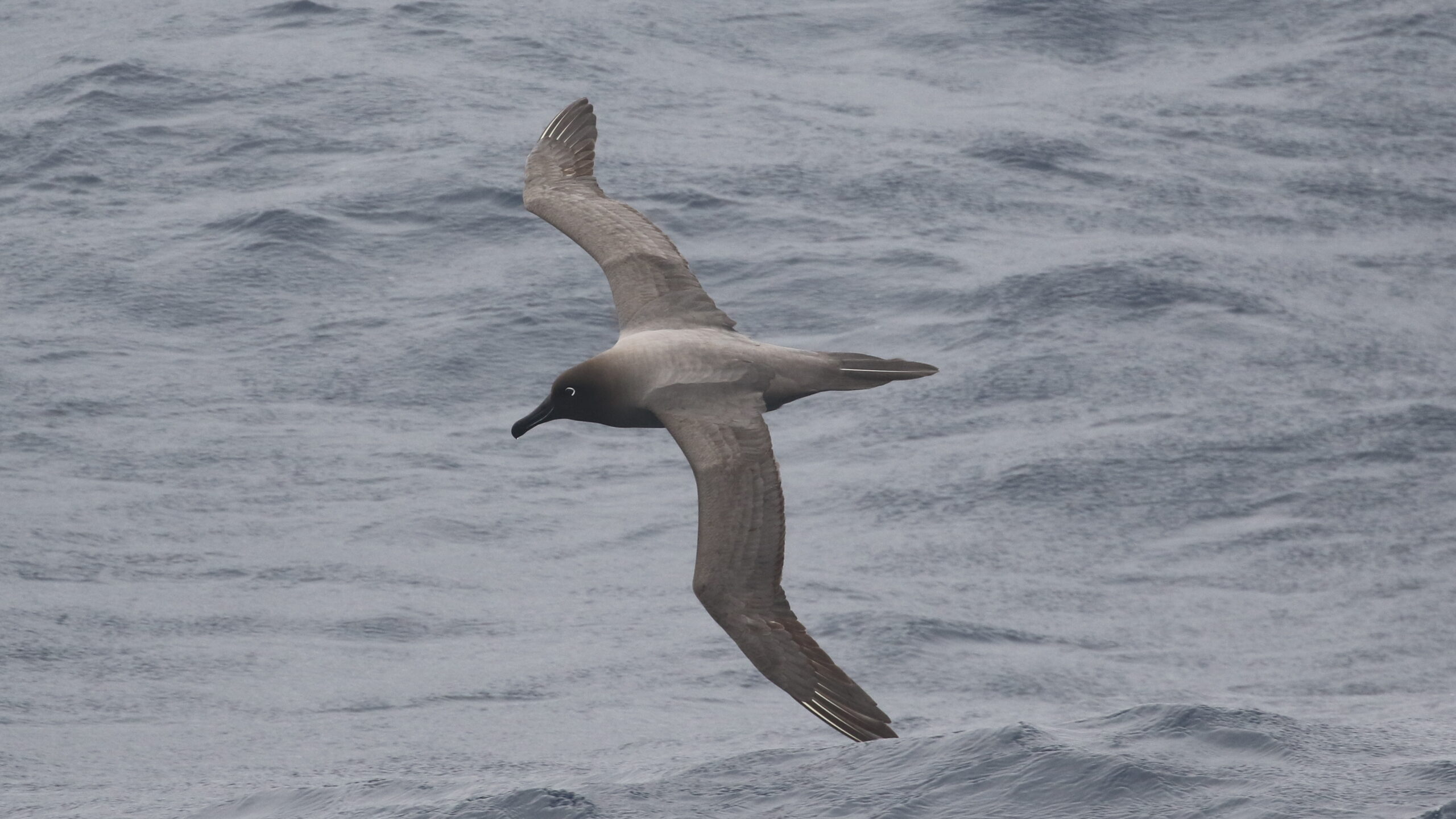
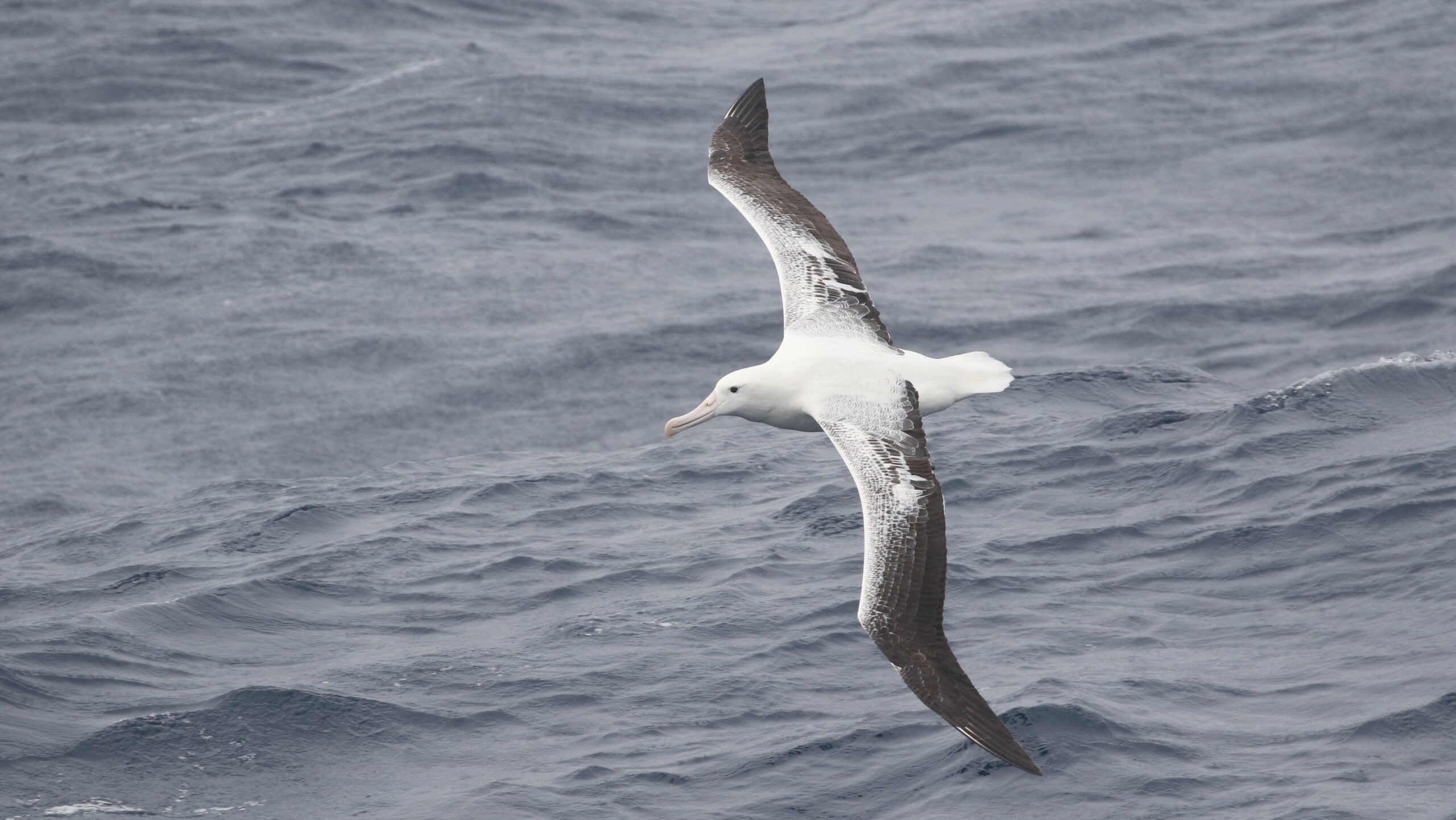
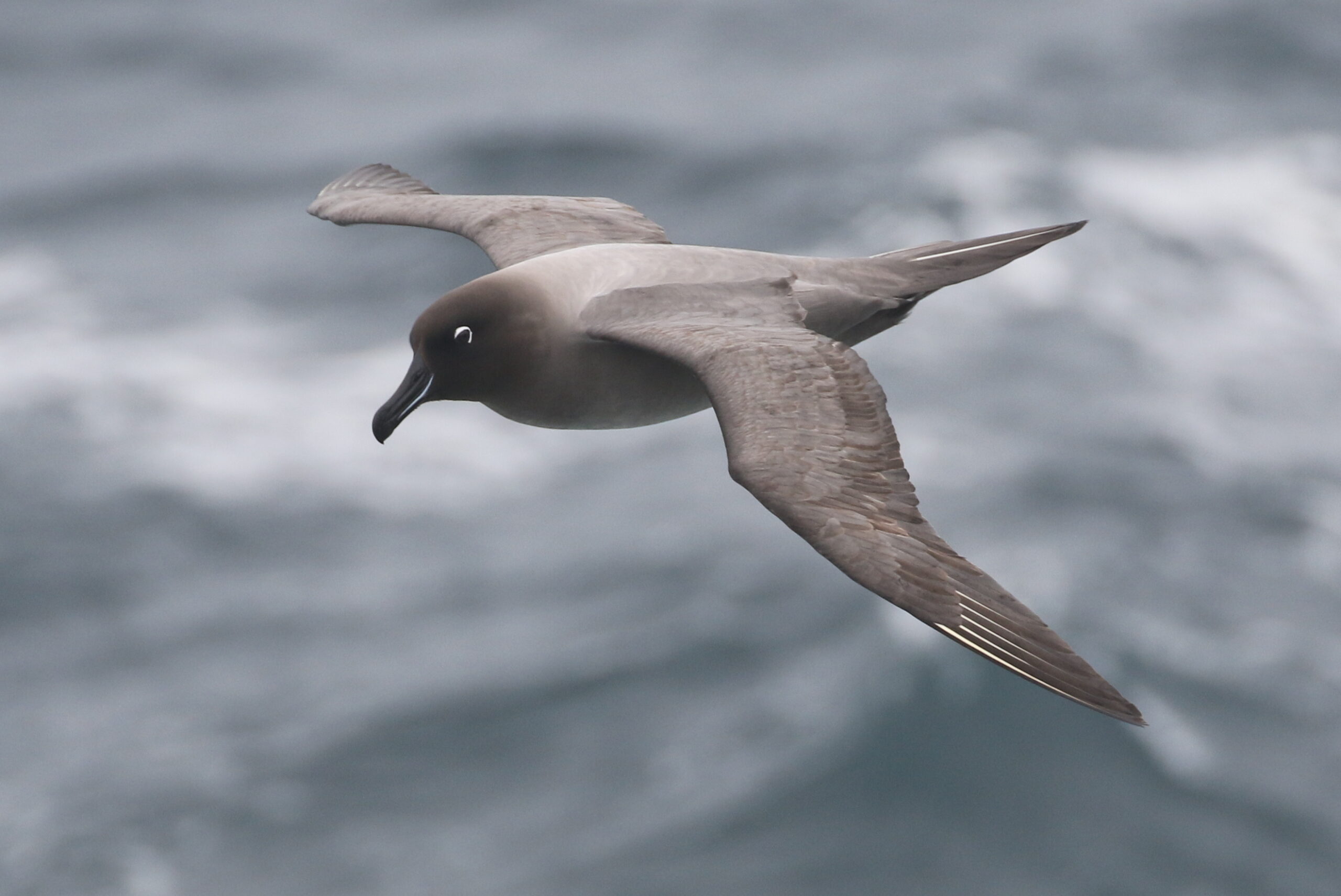
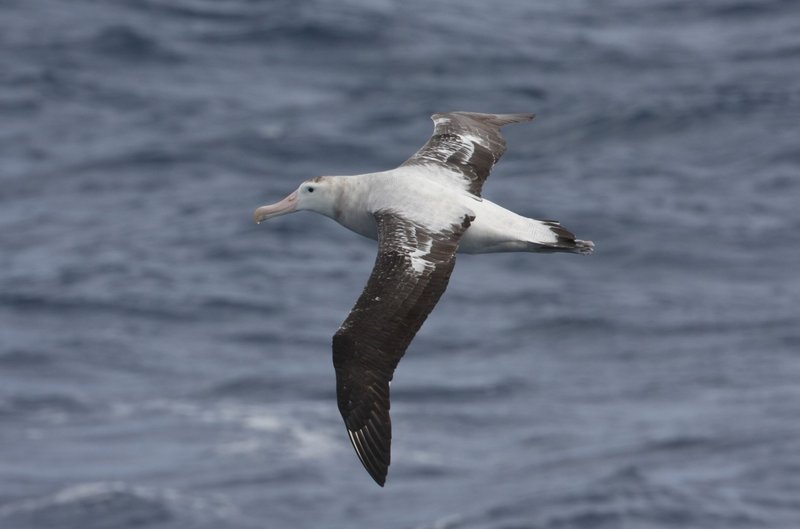
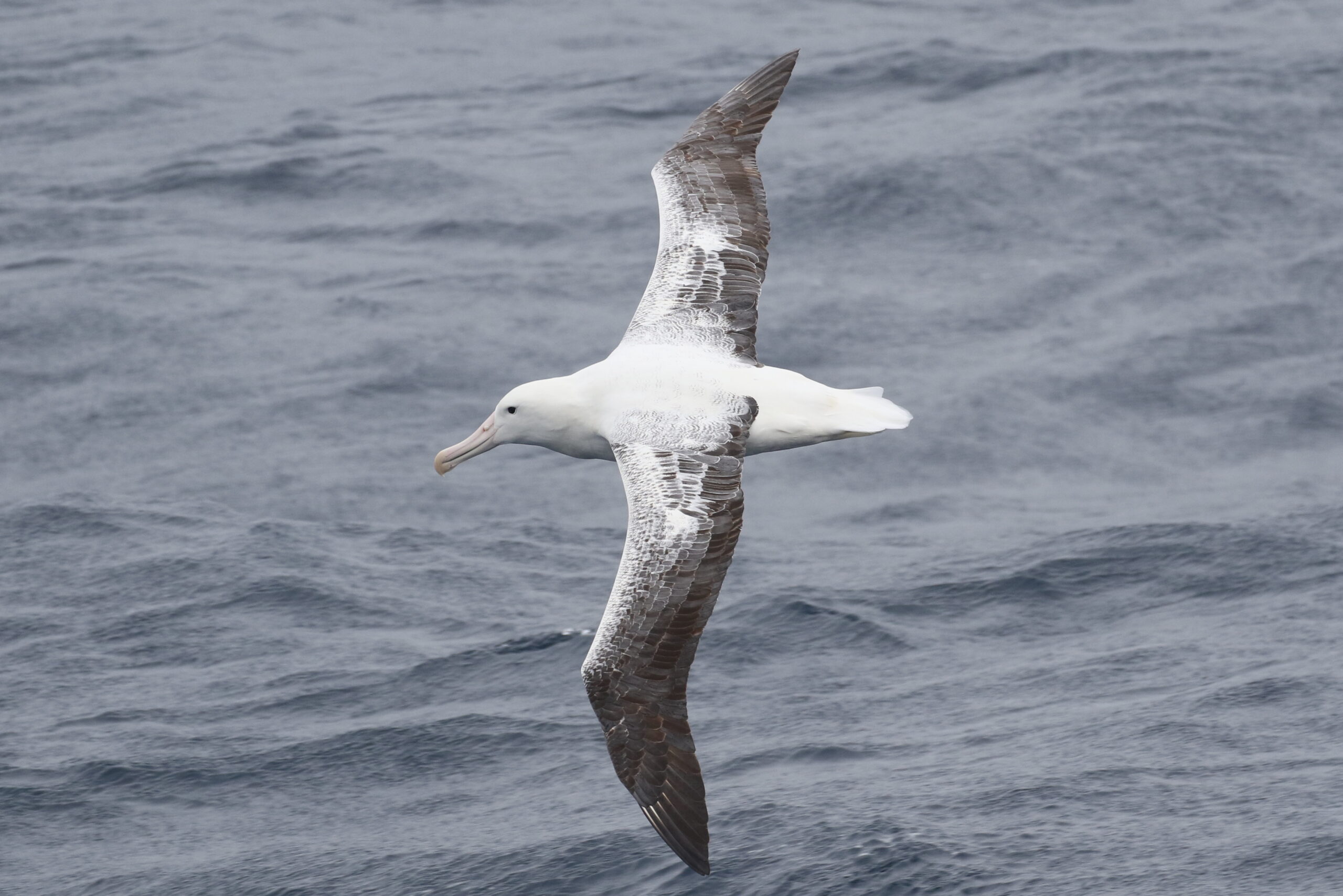
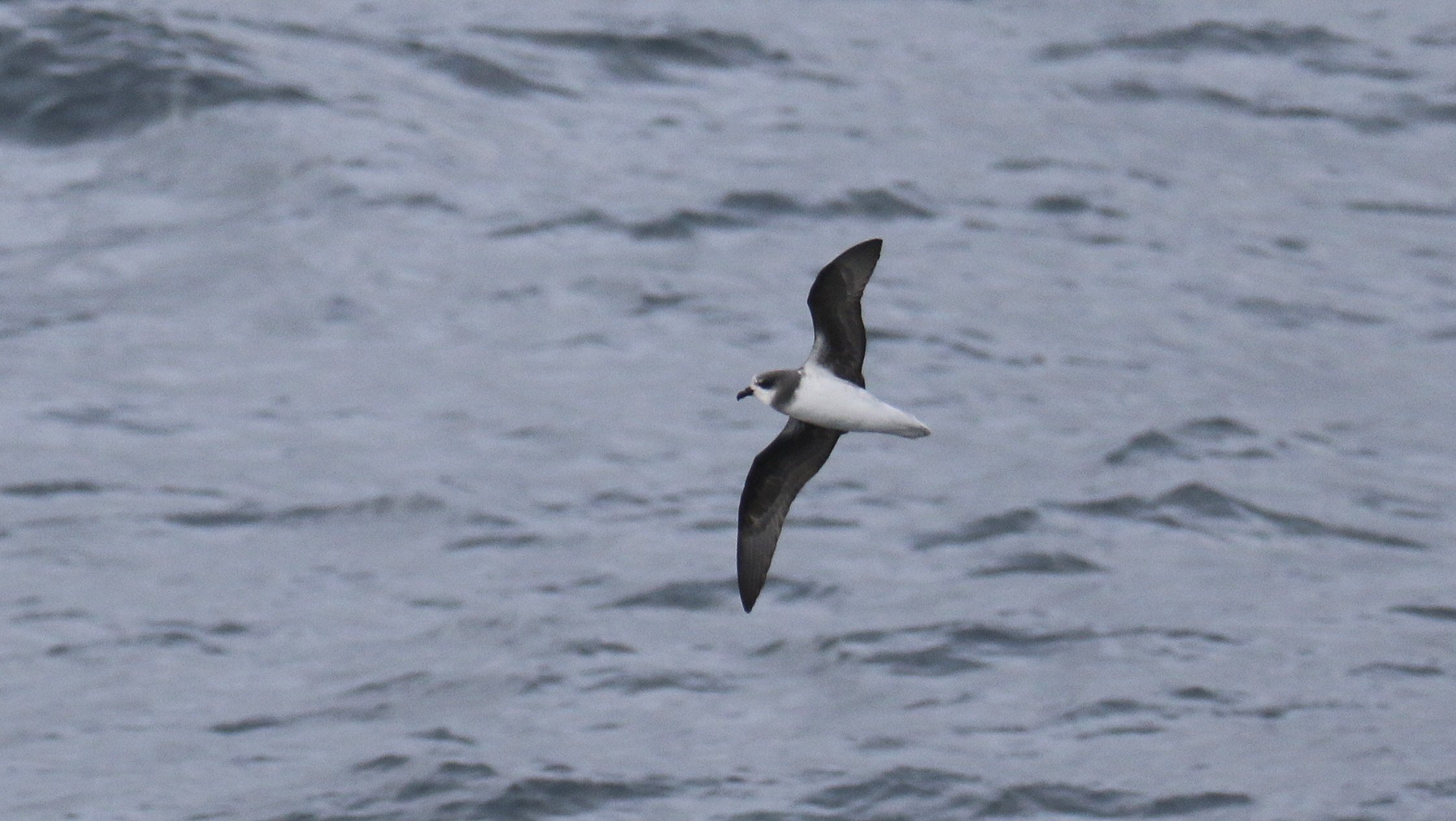
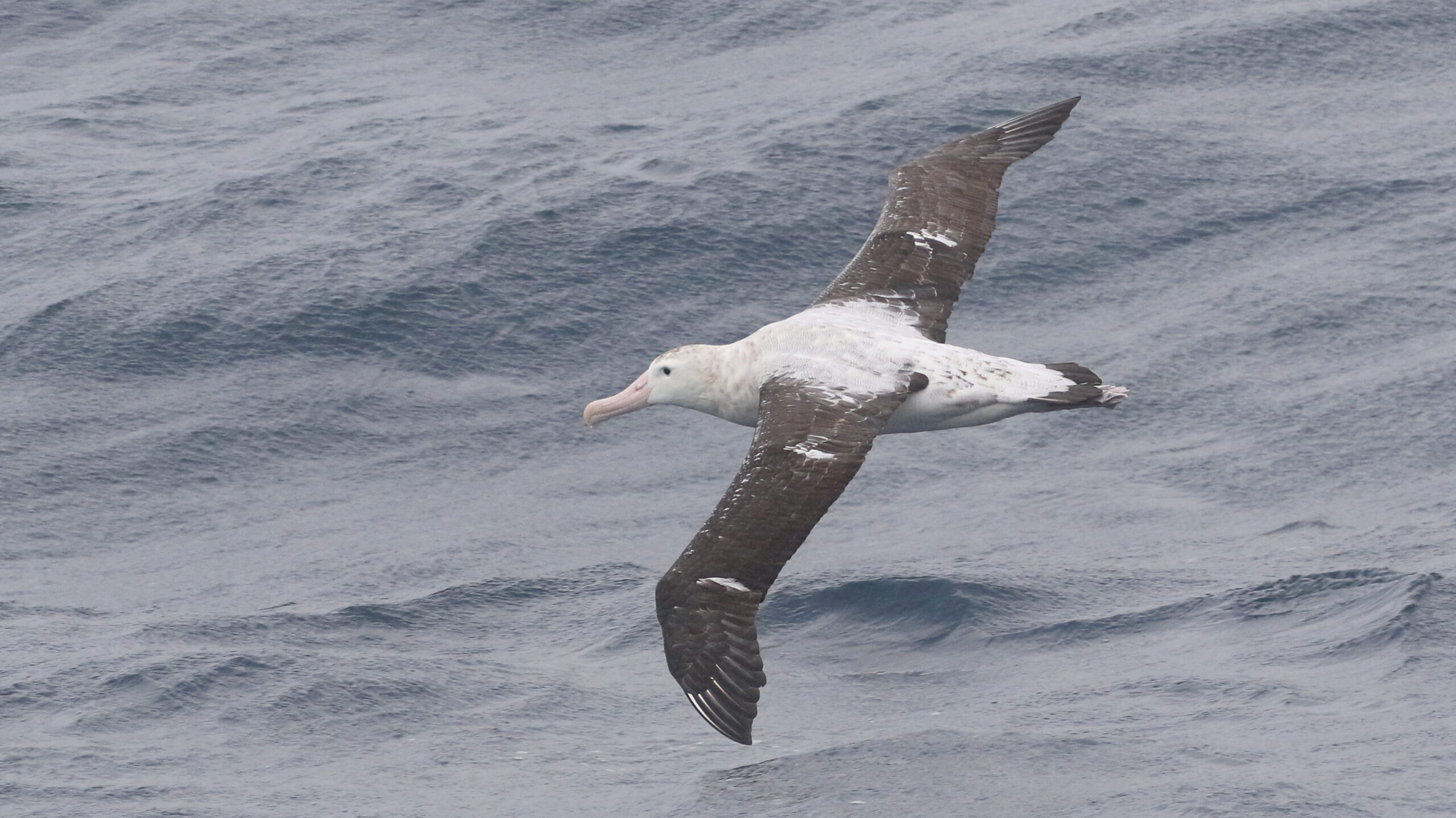
- Excellent chances for Snowy Wandering, Northern Royal, Southern Royal, Black-browed, Grey-headed and Light-mantled Sooty Albatrosses whilst at sea
- Explore the Falkland Islands with planned visit to a Black-browed Albatross colony
- Three days at South Georgia - visit Grytviken where Sir Ernest Shackleton is buried
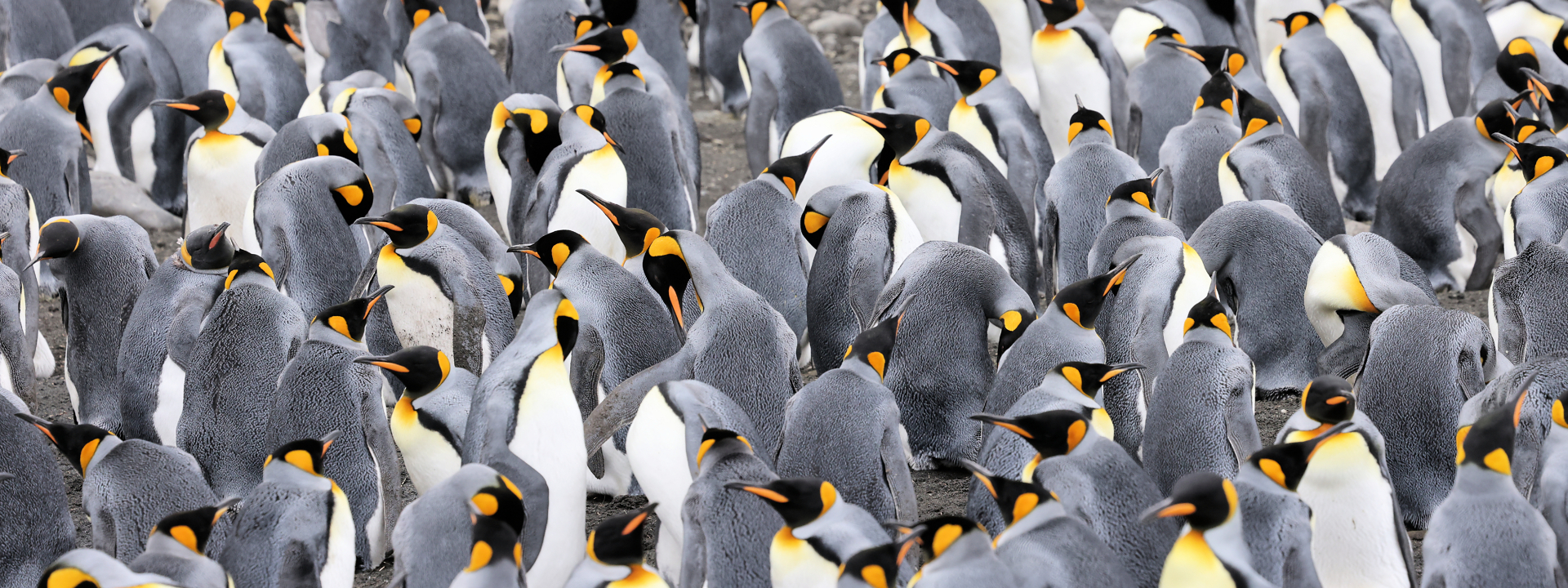
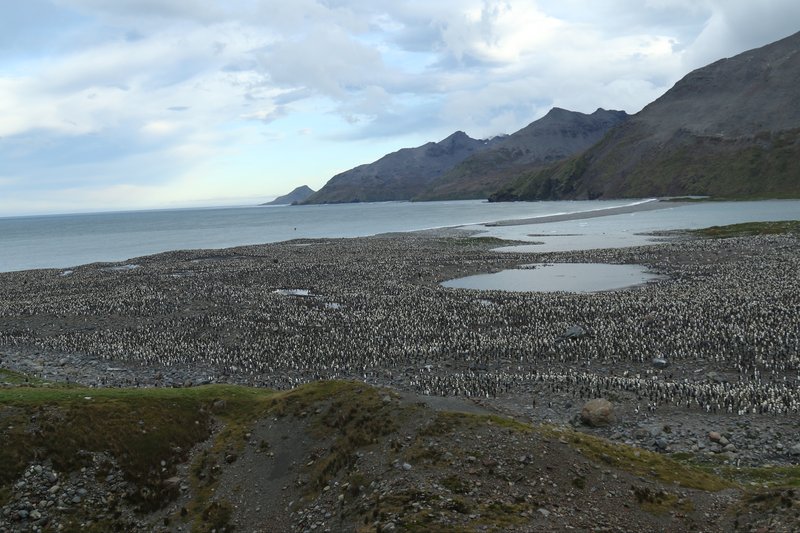
- Other possible landings on South Georgia include sites where tens of thousands of King Penguins breed
- Spend over a week exploring the Antarctic Peninsula and South Shetland Islands
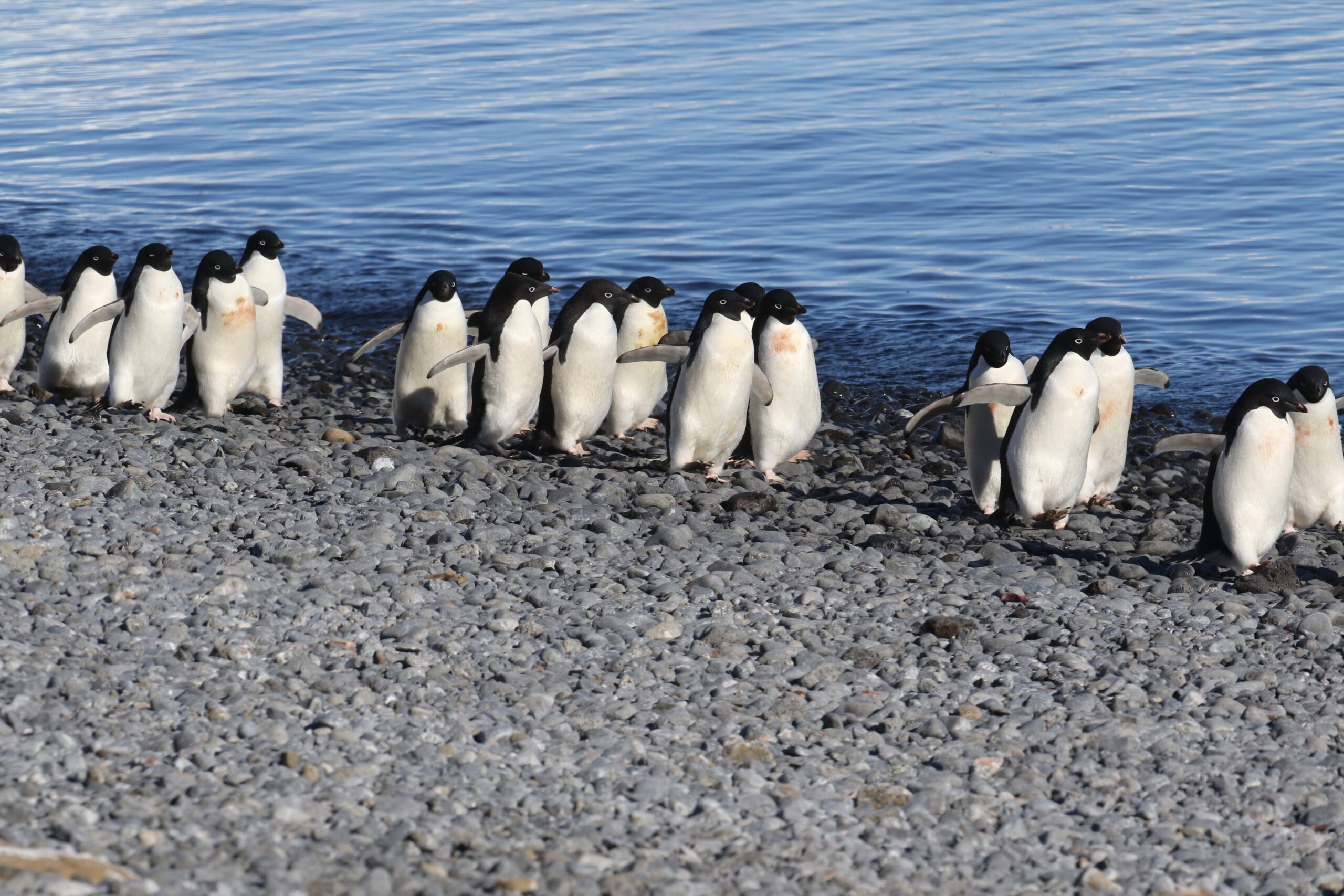
- Expect to see Gentoo, Adelie and Chinstrap Penguins as well as marine mammals such as Crabeater and Weddell Seals and Humpback and Minke Whales
- Cross the Drake Passage on the way back to Ushuaia with chances for more pelagic seabirds
Outline Itinerary
-
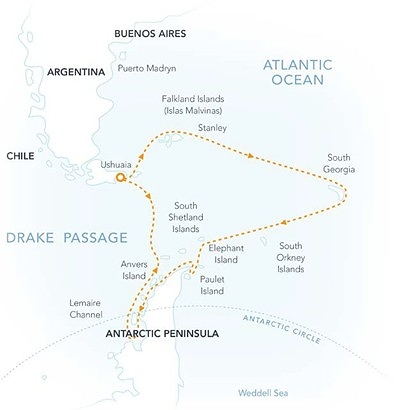
Arrive in and explore Ushuaia
-
Board Ocean Albatros and sail east down the Beagle Channel
-
At sea
-
Falkland Islands
-
At sea
-
South Georgia
-
At sea
-
South Shetland Islands and Antarctica
-
Antarctic Circle
-
South Shetland Islands or Antarctica
-
Drake Passage
-
Ushuaia

For those who can justify the time, a trip that goes to the Falklands and South Georgia as well as Antarctica is an incredible experience as it combines the majesty of the snow and ice of the ‘Great White Continent’ with two very different but equally amazing subantarctic islands. This trip, however, is different to many others which are available, as it will spend a week around the Antarctic Peninsula and South Shetland Island with the intention being to also cross the Antarctic Circle, something few ships attempt. With the cruise also occurring over Christmas and New Year, it offers participants a very memorable way to enjoy the festive season.
For anyone keen on birds and wildlife, WildWings would rate the Falkland Islands and South Georgia as more interesting for their natural history than the Antarctic Peninsula. With the possibility of seeing breeding albatrosses on the Falklands and vast King Penguin colonies at South Georgia, these are experiences you will not find further South and both are as awe inspiring as the penguins, ice and snow of the Peninsula.
Generally, the season for visiting this region begins in late October and runs until March and every month has its own special highlights. It is simply impossible to say that one period is better than another – the experiences are just different.
Early in the season, the albatrosses will have started nesting on the Falkland Islands and the King Penguins will have plenty of almost fully grown chicks on South Georgia, whilst the Gentoo and Adelie Penguins of the Peninsula will have only just begun egg laying. At this time of year, you are unlikely to see so many Humpback Whales in Antarctica as the numbers increase throughout the southern summer; indeed, these actually peaking after most of the expedition ships have ended their trips for the season.
By February, many of the penguins will have finished breeding in the Falklands, the chicks in the South Shetland Islands and Peninsula will be large but there will be fewer Southern Elephant and Antarctic Fur Seals in South Georgia.
As the exact itineraries are only determined a few months before each expedition and will also change on a day-to-day basis depending on the prevailing weather and ice conditions, it is impossible to be precise where you will be visiting in advance. The trips we recommend, however, will spend at least a day or two in the Falklands and then a minimum of three days in South Georgia.
Whilst it is usually possible to find shelter (to get ashore) in the Falklands, many of the best landing sites for wildlife on South Georgia are exposed so we believe going on a trip which spends as long as possible here will give you the best experience and a higher chance of visiting some of the truly magical highlights of this special island.
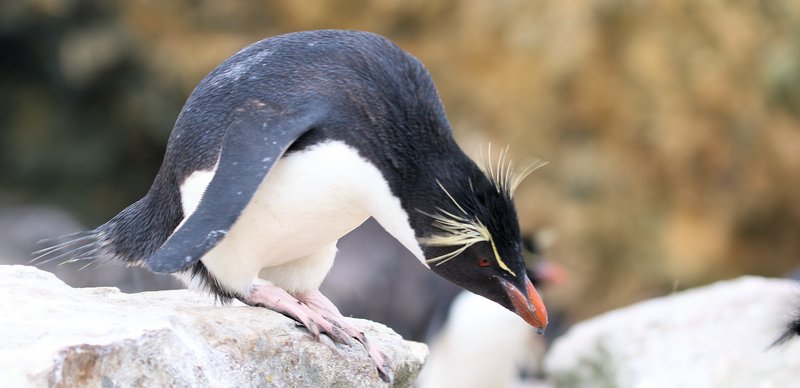
On the Falkland Islands, possible landing sites include Saunders Island where there are colonies of Black-browed Albatrosses and Rockhopper Penguins, Grave Cove where you could see Commerson’s Dolphins and Gentoo and Magellanic Penguins and Carcass Island which one of the few islands where Cobb’s Wren still survives.
When visiting South Georgia, all vessels are required to make a stop at Grytviken where ship clearance takes place but there is an amazing museum and the grave of Ernest Shackleton to visit along with Southern Elephant Seals, Antarctic Fur Seals and small numbers of King Penguins. The most impressive penguin colonies are arguably at Salisbury Plain and St Andrew’s Bay but there are plenty of other beaches which are also very special such as Gold Harbour and Stromness. Following the recent successful rat and mouse eradication project, the number of sites where one can find the endemic South Georgia Pintail and South Georgia Pipit has increased significantly so there are now good chances of finding both these species on your visit which was certainly far from guaranteed just a few years ago.
The transits between the Falklands and South Georgia and from there onwards to Antarctica (plus, of course, the Drake Passage when heading back to South America) provides a fantastic opportunity to see many species which you will not encounter around the islands or Antarctic Peninsula.
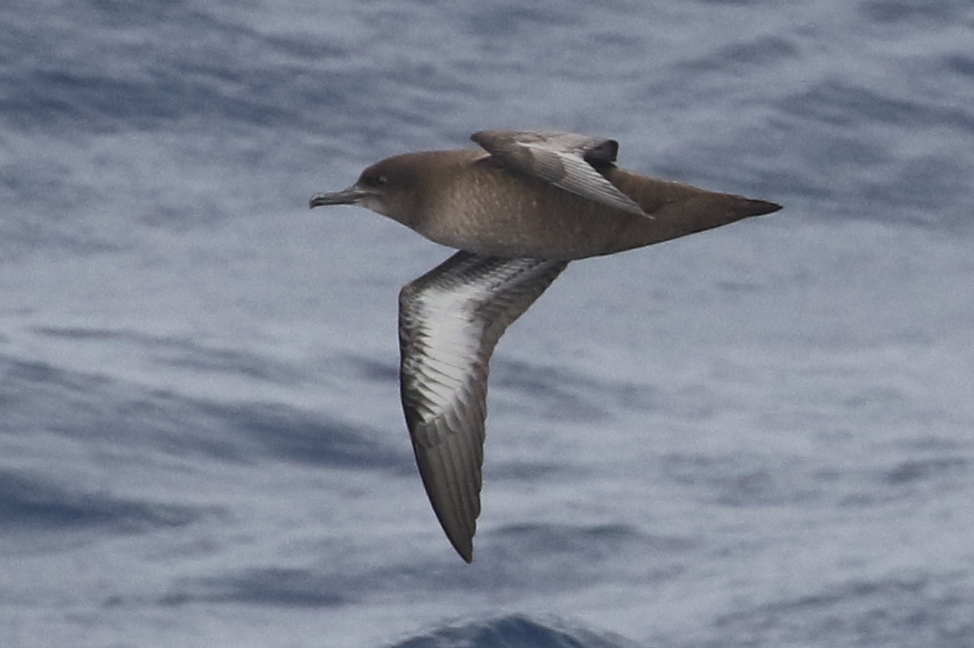
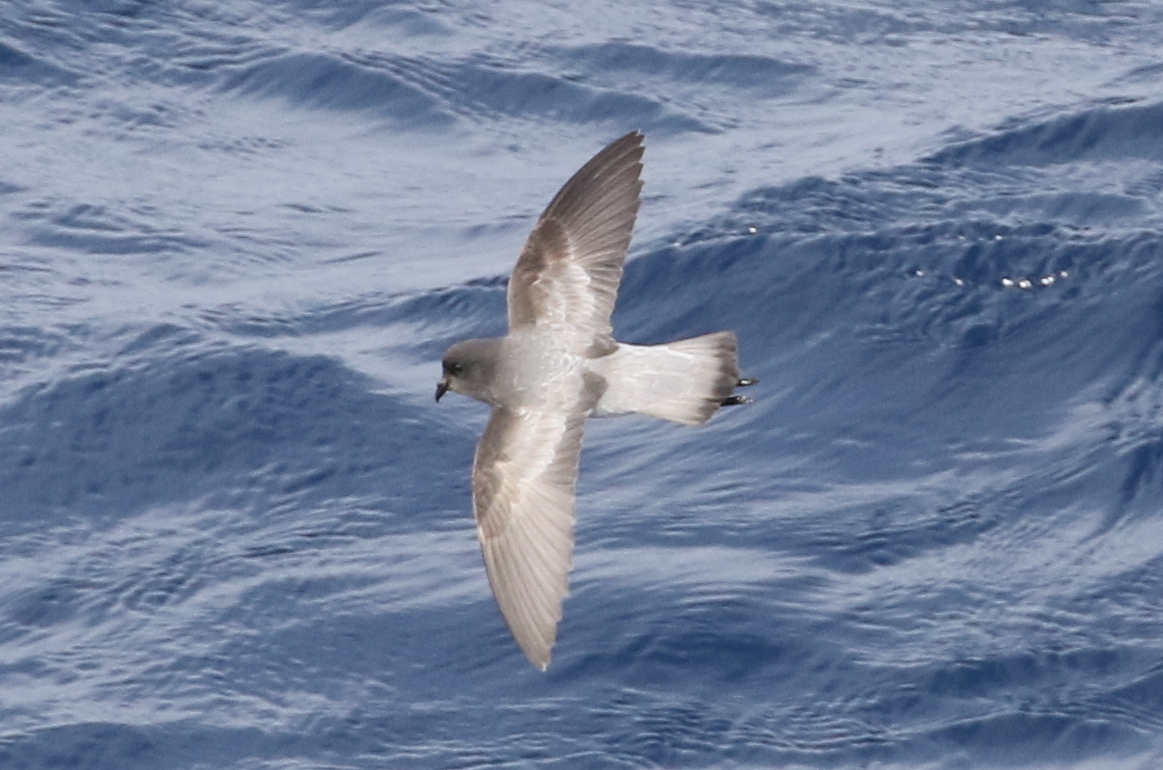
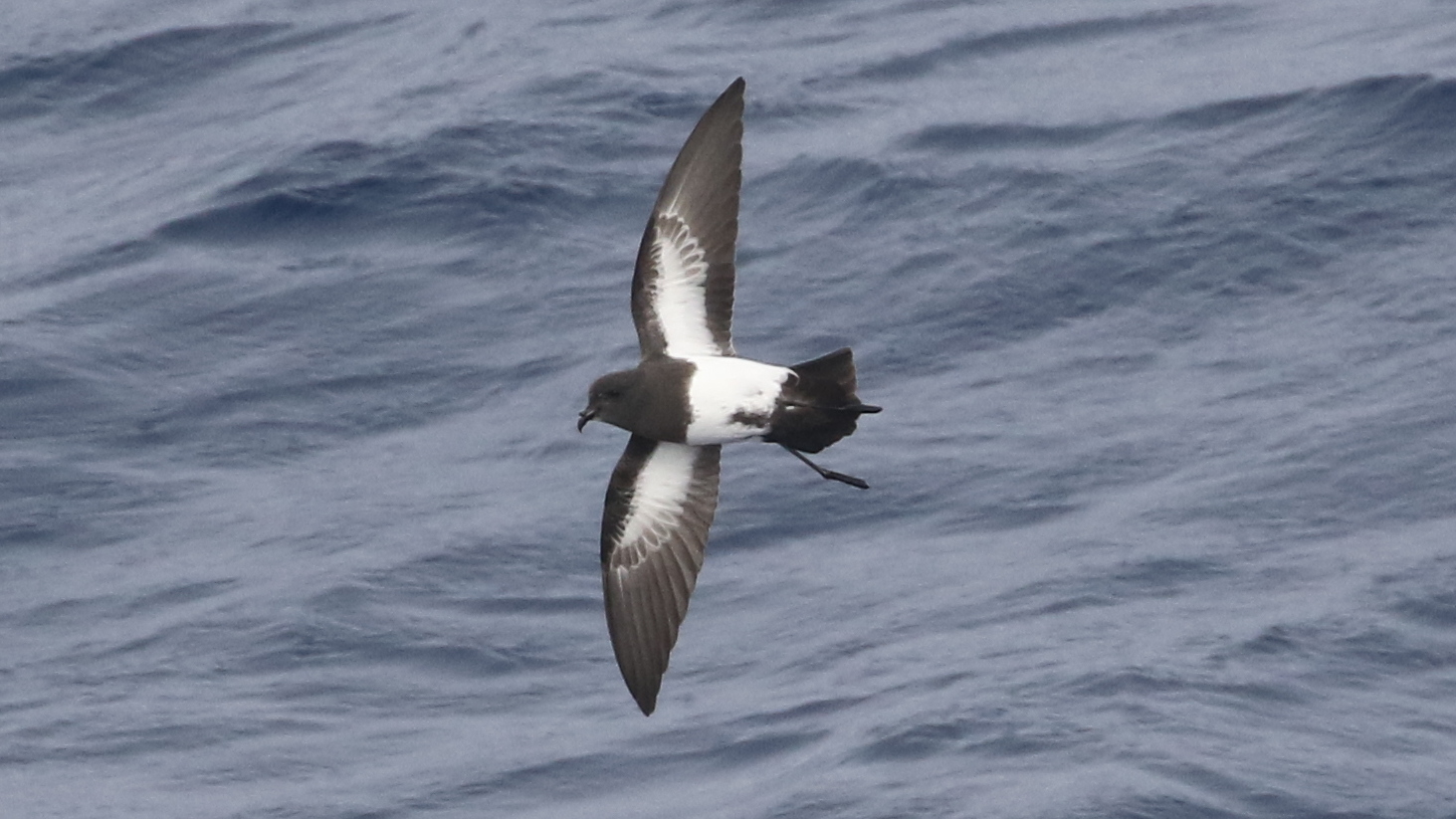
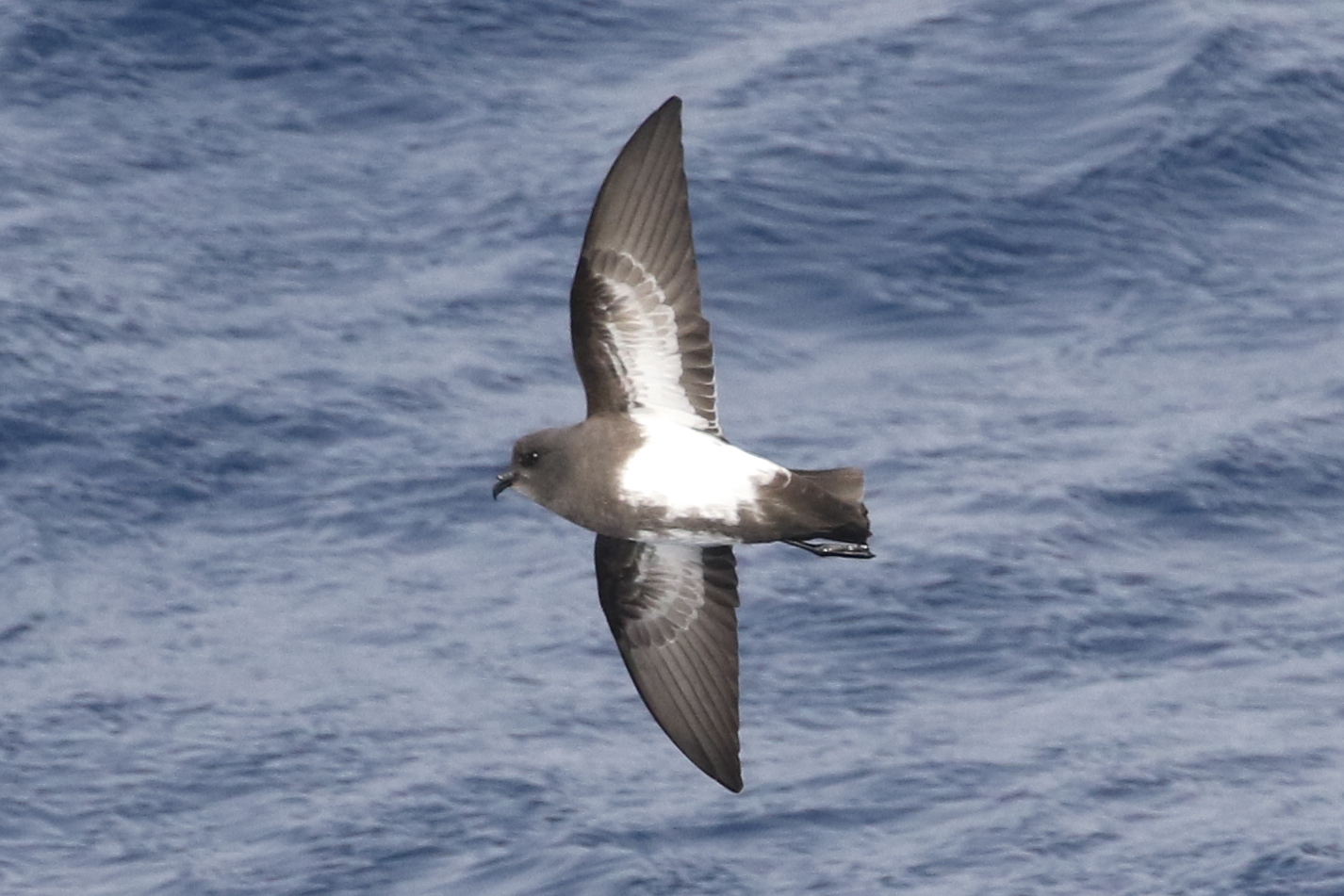
Although the Southern Ocean is notorious for the swells, storms and inclement sea conditions, in reality, you will be unfortunate to encounter really bad weather and your time at sea provides a fantastic opportunity to look for a great variety of seabirds. Snowy Wandering, Northern Royal, Southern Royal, Black-browed, Grey-headed and Light-mantled Sooty Albatrosses are all possible, along with both Giant Petrels, Southern Fulmar, Cape, (Lesser) Snow, Soft-plumaged, Blue and White-chinned Petrels. Amongst the smaller species, both Wilson’s and Black-bellied Storm-petrels are regular, as are Antarctic, Slender-billed and Fairy Prions, and with perseverance and a degree of luck, you could see something less common such as Sooty Albatross, Kerguelen Petrel, Great Shearwater or even an Emperor Penguin.
Whilst you are cruising close to land, Humpback and Antarctic Minke Whales as well as Orca (Killer Whales) are generally the most likely cetaceans, but a much wider variety of species are present out in the deeper water. Once again, it is a case of being out on deck, ‘putting in the hours’, and hoping that luck is on your side but Blue, Fin, Southern Right and Sperm Whales are all possible, as are smaller species such as Arnoux’s and Strap-toothed Beaked Whales and Hourglass Dolphin. Indeed, we strongly recommend always having a camera to hand as photos are often the best way of identifying the trickier species.
It is almost impossible to put into words, the breath-taking scenery of Antarctica and even the most harden birder will find it an incredible experience. Ice and snow will be a constant feature as your ship cruises between landing sites and on most occasions, you can expect two activities each day with these being a combination of landings and zodiac cruises.
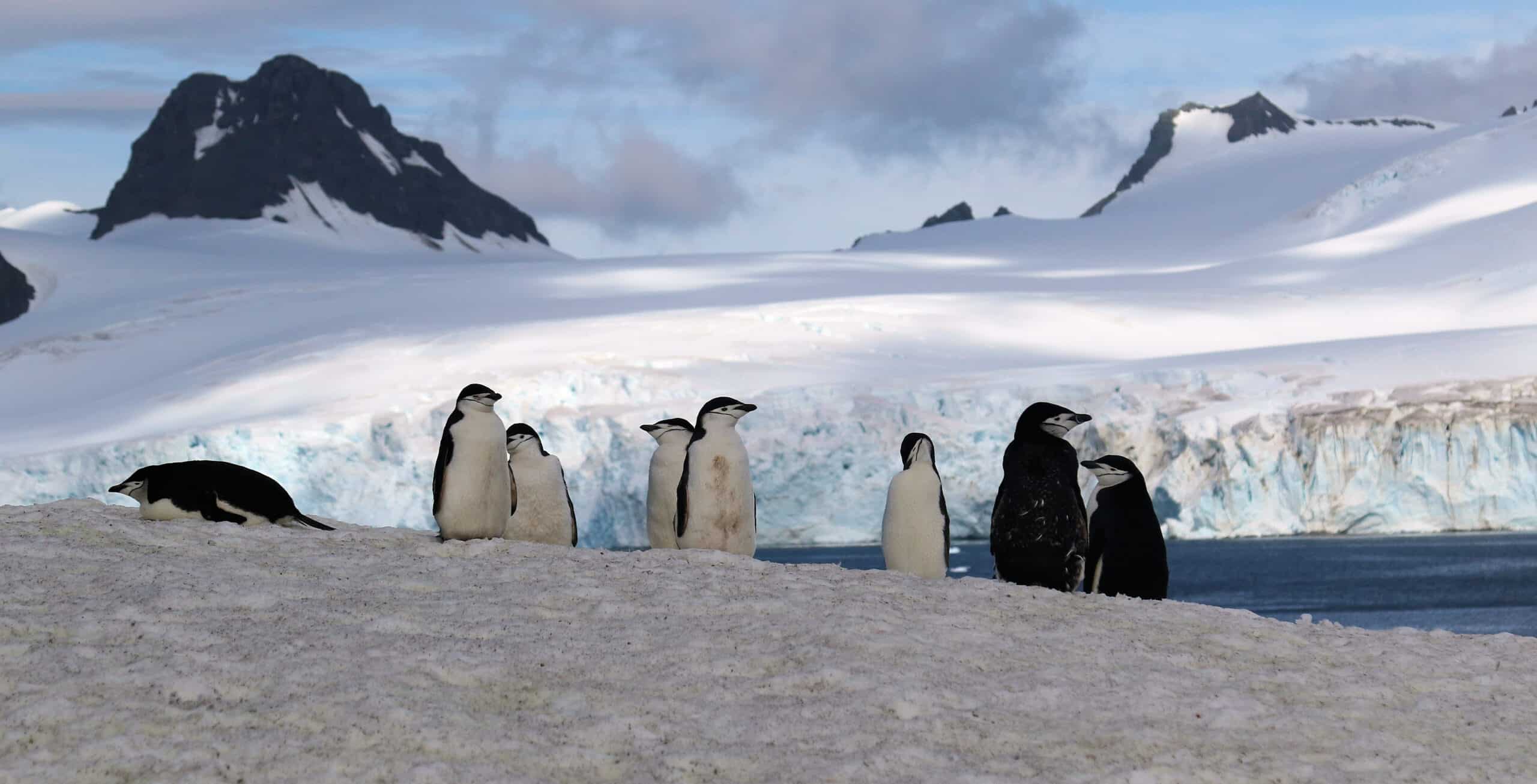
Whilst every voyage is unique, most trips will offer you the opportunity to visit colonies of Chinstrap, Adelie and Gentoo Penguins. There are also excellent chances of Weddell and Crabeater Seals and as the days start to shorten, the chances of finding Leopard and Antarctic Fur Seals generally increases. Almost irrespective of when you visit, you can expect to see Humpback Whales (with the highest numbers being at the end of the summer) and whilst wildlife can never be guaranteed, there are also opportunities to see Orca (Killer Whales) throughout the summer months.
As well as visiting the Antarctic Peninsula, most expeditions also make landings in the South Shetland Islands which have a slightly milder climate. For birders, a stop here is important to see Chinstrap Penguins as these are much less numerous around the Antarctic Peninsula itself and are only found at a handful of sites in South Georgia. The South Shetlands are also where some of the most popular landings are located with one of these being Deception Island, a volcano with an extraordinary flooded caldera which expedition ships are able to sail inside.
With excellent birding on the outskirts of Ushuaia at both the Tierra del Fuego National Park and around the Martial Glacier which overlooks the town, we recommend allowing time before your voyage to visit these stunning locations. Local specialities including Magellanic Woodpecker, White-throated Caracara and Magellanic Horned Owl can be found at the national park and the scree slopes and woodlands around the glacier offer chances for White-bellied Seedsnipe, as well as Thorn-tailed Rayadito, Austral Thrush and Andean Condor.
WildWings have been assisting clients in visiting Antarctica for over 30 years and Chris Collins (WildWings Managing Director) has made over 50 trips to the “Great White Continent” and spent many years both leading trips as Expedition Leader and working as a wildlife guide to the Falklands, South Georgia and Antarctica. We are, therefore, well place to advise you on the multitude of options which are available.
 Day 1: Arrive in and explore Ushuaia
After a friendly welcome at the airport and a transfer to the luxurious Arakur Resort and Spa (or another of Ushuaia’s top luxury hotels), take some time to unwind or explore the southernmost city in the world, Ushuaia.
Our evening briefing is your opportunity to ask questions and meet some of your fellow explorers.
Day 2: Morning at leisure, afternoon board Ocean Albatros, sail east down the beagle Channel
Spend the morning relaxing at the hotel, visiting a museum or exploring Ushuaia, before our mid-afternoon escort to the ship. Our Expedition Team and ship staff will welcome you on board and get you settled in. This will be followed by a safety and orientation briefing and our Captain’s welcome dinner.
Day 3: Southern Ocean
As we sail towards the Falklands, there will be important briefings on environmental regulations, expedition safety and use of the zodiacs. You can also join the ship’s scientific and environmental experts as they begin their lecture programme about the wildlife, history, and geology of the areas we will soon be exploring.
There should be plenty to see outside with chances for the first “Great Albatrosses” (Snowy Wandering and Northern/Southern Royal) of the expedition.
Both Wilson’s and Black-bellied Storm Petrels are likely and we could also find Sooty Shearwaters, Common Diving Petrels, as well as Cape, Blue and White-chinned Petrels.
Days 4-5: The Falklands
The Falklands truly are a wildlife enthusiast’s dream with the opportunity to see breeding albatrosses and penguins as well as other birds such as Falkland Steamer Duck, Ruddy-headed Goose, Striated Caracara, Dolphin Gull and White-bridled Finch.
Weather permitting, we hope to explore Saunders Island, the second-largest island in the Falklands, and The Neck, a narrow peninsula with sandy beaches and subtle cliff faces, where there is a colony of Black-browed Albatrosses and we also hope to find King, Magellanic, Western Rockhopper and Gentoo Penguins.
Other possibilities include Comerson’s Dolphins which can sometimes be found close to the shore.
Days 6-7: At sea in the Southern Ocean
The journey from the Falkland Islands to South Georgia takes a couple of days and for anyone interested in seabirds and marine mammals, this is invariably a very special experience with a fantastic range of possible species.
Snowy Wandering, Northern Royal, Southern Royal, Black-browed, Grey-headed and Light-mantled Sooty Albatrosses are all possible and with luck (and perseverance !!), other species such as Sooty Albatross can sometimes be seen.
Both Southern and Northern Giant Petrels are also highly likely to be following the ship during this transit and amongst the smaller species, both Wilson’s and Black-bellied Storm Petrels are regular, as are Antarctic, Slender-billed and Fairy Prions. Other possibilities include Southern Fulmar, Cape, Soft-plumaged, Blue and White-chinned Petrels and, if we are fortunate, a Greater Shearwater or Kerguelen Petrel.
At some point during the journey, the ship will cross the Antarctic Convergence which is where the water temperature drops considerably over just a few hours. As well as being a great place for seabirds, this boundary can be a fantastic place for marine mammals, and we could find Fin and Humpback Whales with occasional sightings of Blue Whale, Southern Right Whale and other cetaceans.
Days 8-10: South Georgia
South Georgia truly is one of the most incredible islands on the planet and is sometimes referred to as the ‘Serengeti of the Southern Ocean’ with millions of seabirds and tens of thousands of seals coming to the island each year to breed.
Breathtaking mountain scenery, majestically sculpted icebergs, glaciers in every direction, and a rich historical tapestry are all here to complement the incredible array of wildlife as we travel down South Georgia’s leeward coast. Amongst the planned stops will be a visit to the historic Grytviken whaling station, featuring the tiny graveyard where the great Antarctic explorer Sir Ernest Shackleton is buried. This location also has a fascinating museum with King Penguins and Southern Elephant Seals often found within a matter of metres of the entrance.
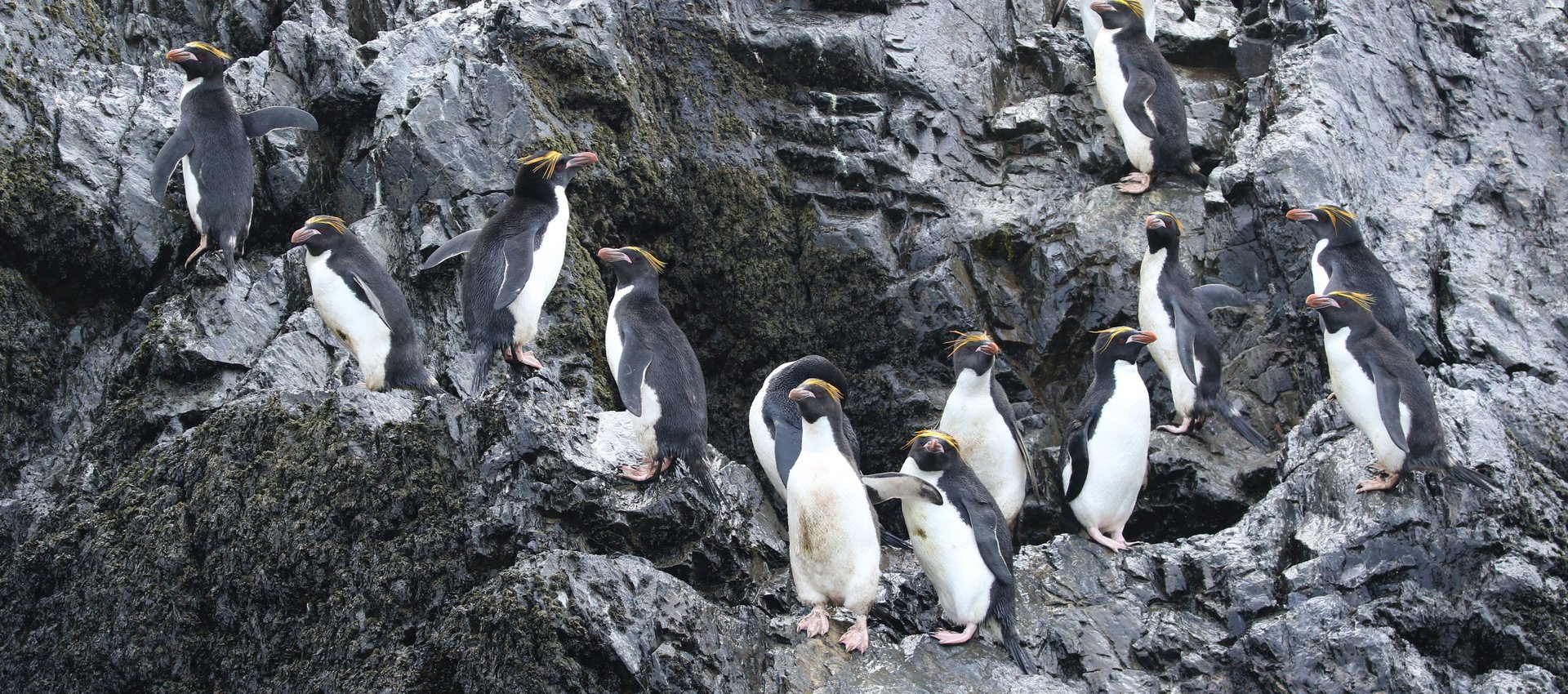
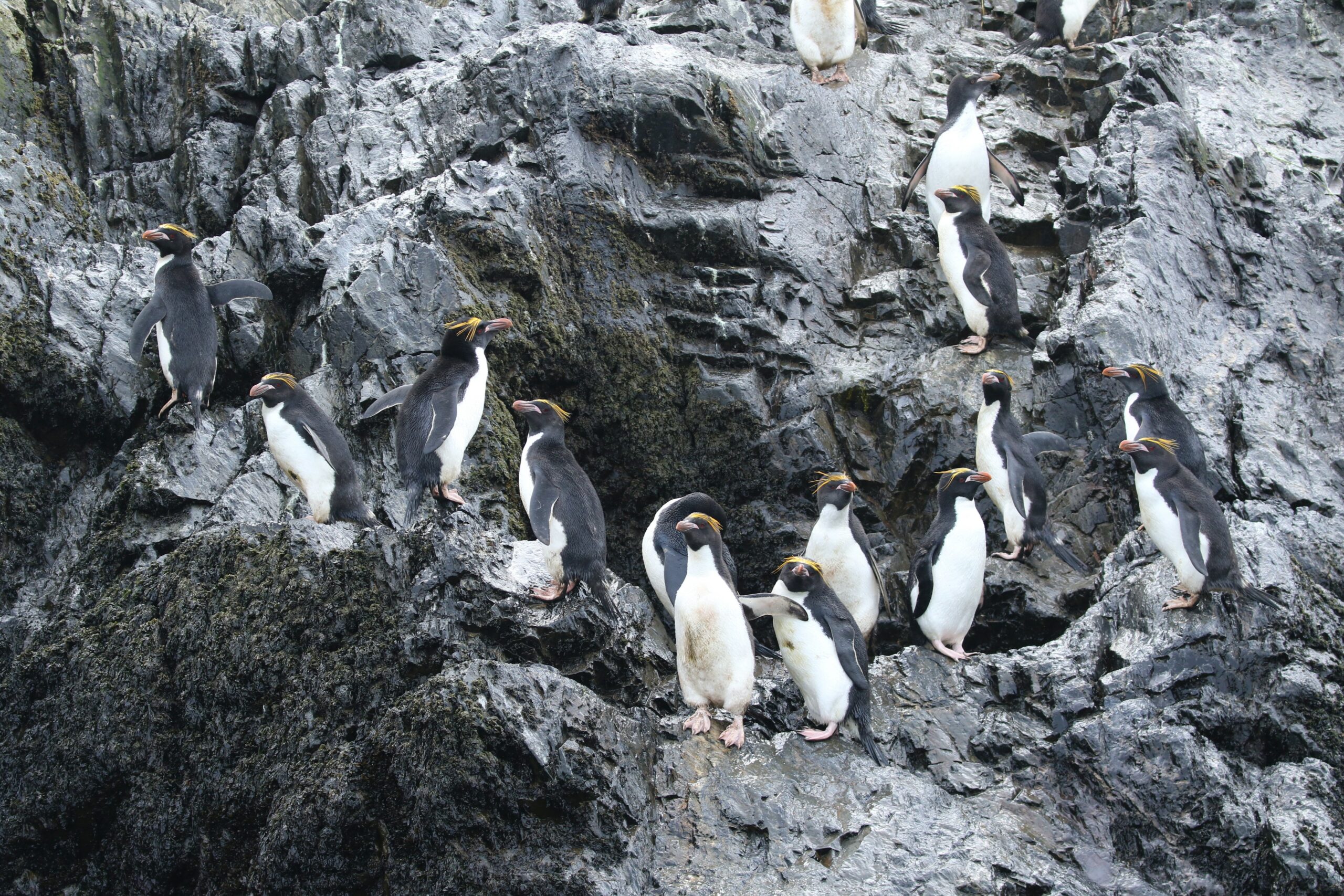
Your Expedition Leader will do their best to ensure you enjoy some of South Georgia’s special highlights, however, it is also important to be looking for wildlife as the ship moves between landing sites as species such as Macaroni Penguin and the gorgeous Light-mantled Sooty Albatross are more often seen at sea than when ashore.
It is important to appreciate that weather conditions in this area can be challenging and this will largely dictate the programme of activities but the goal will be to offer two activities each day with many options for landings or cruising in the zodiacs. Possible landing sites including Stromness, St Andrew’s Bay, Gold Harbour and Salisbury Plain, all of which are home to breeding King Penguins with chances to also look for South Georgia Pintail and South Georgia Pipit.
Days 11-12: At sea in the Scotia Sea
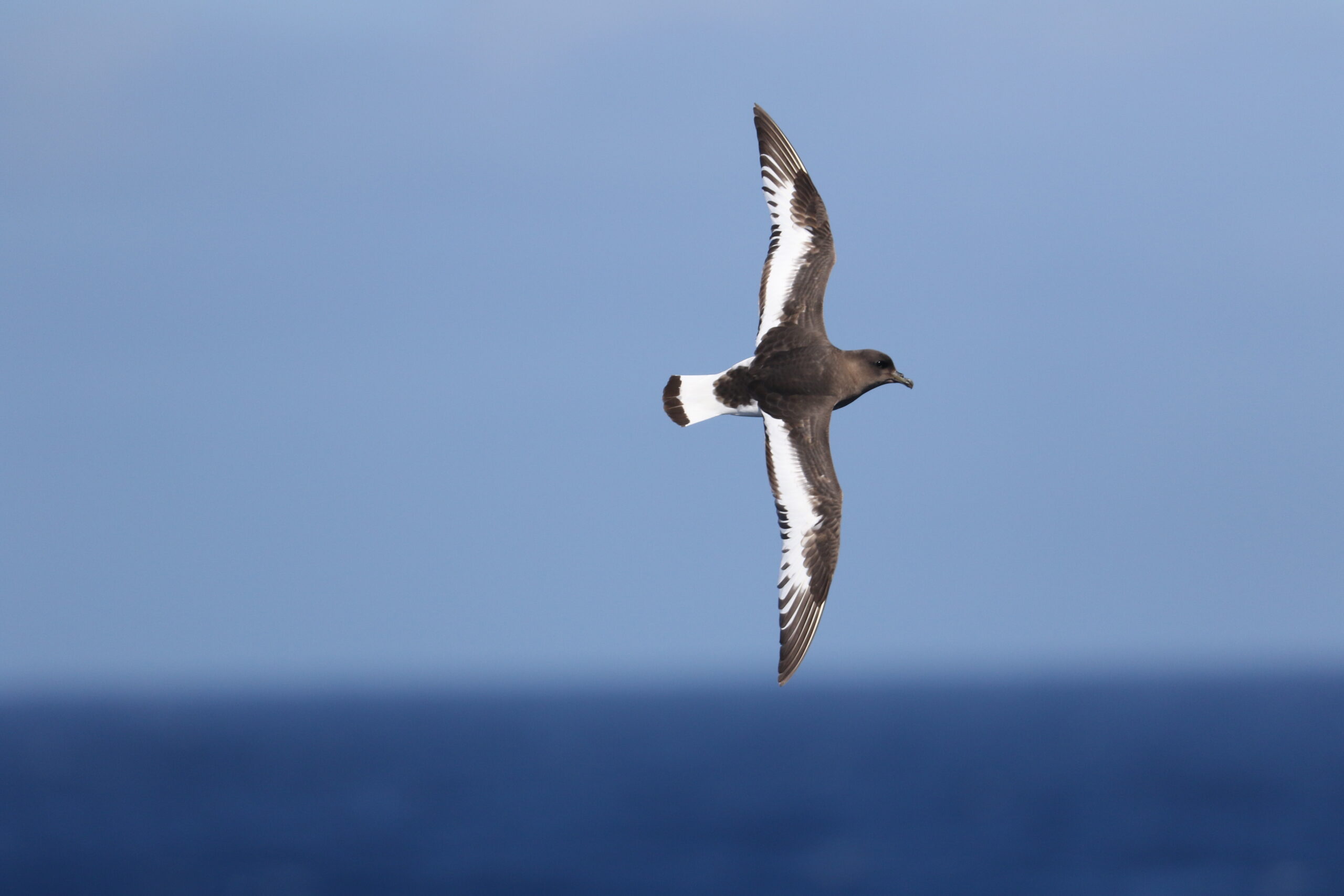
Any day at sea in the Southern Ocean is going to be an incredible experience for anyone interested in seabirds and as the ship heads in a southwesterly direction, there are likely to be further chances for many of the species which were possible on the transit from the Falkland Islands to South Georgia. As the ship reaches lower latitudes, several more southerly species become possible and these could include Snow Petrel which sometimes fly in the flocks of Cape Petrels that often follow the ship for hours at a time.
The programme of informative presentations will also continue for those wanting a break from wildlife watching. Continuing onwards, the icebergs will become bigger and more plentiful.
Days 13-17: South Shetland Islands and Antarctica
With four days to explore and a goal of twice-daily outings, there will be opportunities to visit a number of picturesque bays and famed landing sites, whilst the ship sails through iceberg-rich channels. There may be the chance to stop at a scientific base or historic landing site, as well as visiting colonies of Chinstrap, Adelie and Gentoo Penguins. There may also be the opportunity to see Humpback or Antarctic Minke Whales as well as Orca (Killer Whale) and Weddell, Crabeater and Leopard Seals.
Days 18-19: Antarctic Circle
Most expeditions to the Antarctic Peninsula do not venture south to the Antarctic Circle but our goal is to reach this important latitude at 66°33’S. As we travel south and then back north, we may well traverse the famed Lemaire Channel with spectacular mountains on both sides of this narrow passage. We can expect to see a dazzling area of icebergs and there will be more opportunities to look for wildlife with whales, seals and penguins all likely.
Day 20: South Shetland Islands and Antarctica
We will have a final day to explore and this will either be in the South Shetland Islands or at a different site around the Antarctic Peninsula. There are a multitude of sites which can be selected and your Expedition Leader will select options to maximise on your experience taking into account the weather and ice conditions.
Days 21-22: Drake Passage
Named after the Elizabethan privateer, Sir Francis Drake, the Drake Passage will be our final opportunity to look for seabirds and cetaceans and whilst these waters are notorious for their rough seas, most crossings are generally reasonably smooth.
Many of the seabirds we are likely to have already seen should be present and as we get closer to the tip of South America, we have some of our highest chances of species such as Southern and Northern Royal Albatrosses.
If the conditions are kind, there are also chances for a wide range of cetaceans and whilst Fin Whale is probably the most likely, Blue, Southern Bottlenose and Strap-toothed Beaked Whale can occur although considerable luck is needed to see any of these species.
At some point on day 22, the South American coastline is likely to come into view and species such as South American Tern, Imperial Cormorant and Sooty Shearwater are once again likely to be amongst the more numerous species.
Day 23: Ushuaia and disembarkation
Every voyage must, unfortunately, eventually come to an end and during the night the ship is likely to go alongside the wharf in Ushuaia and after breakfast you will be able to disembark after what will have been an incredible adventure.
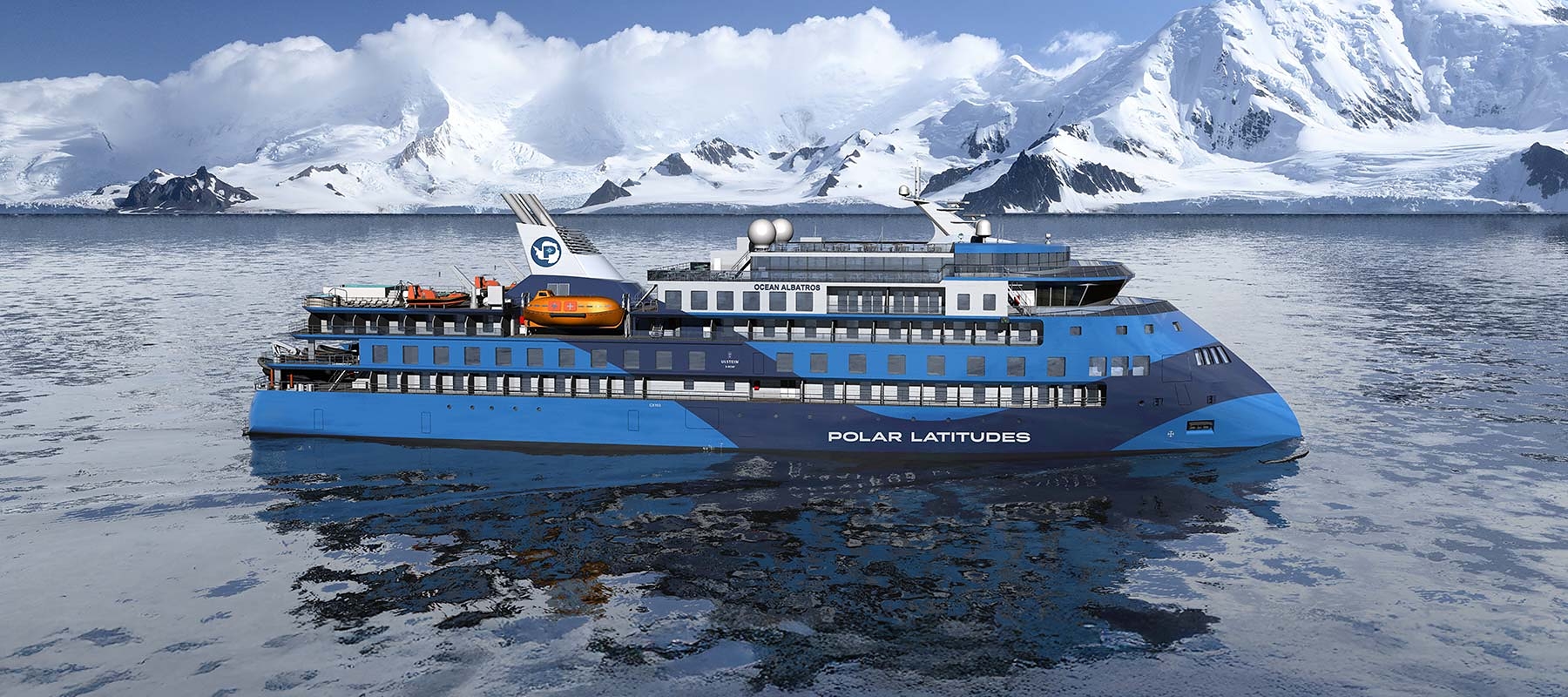
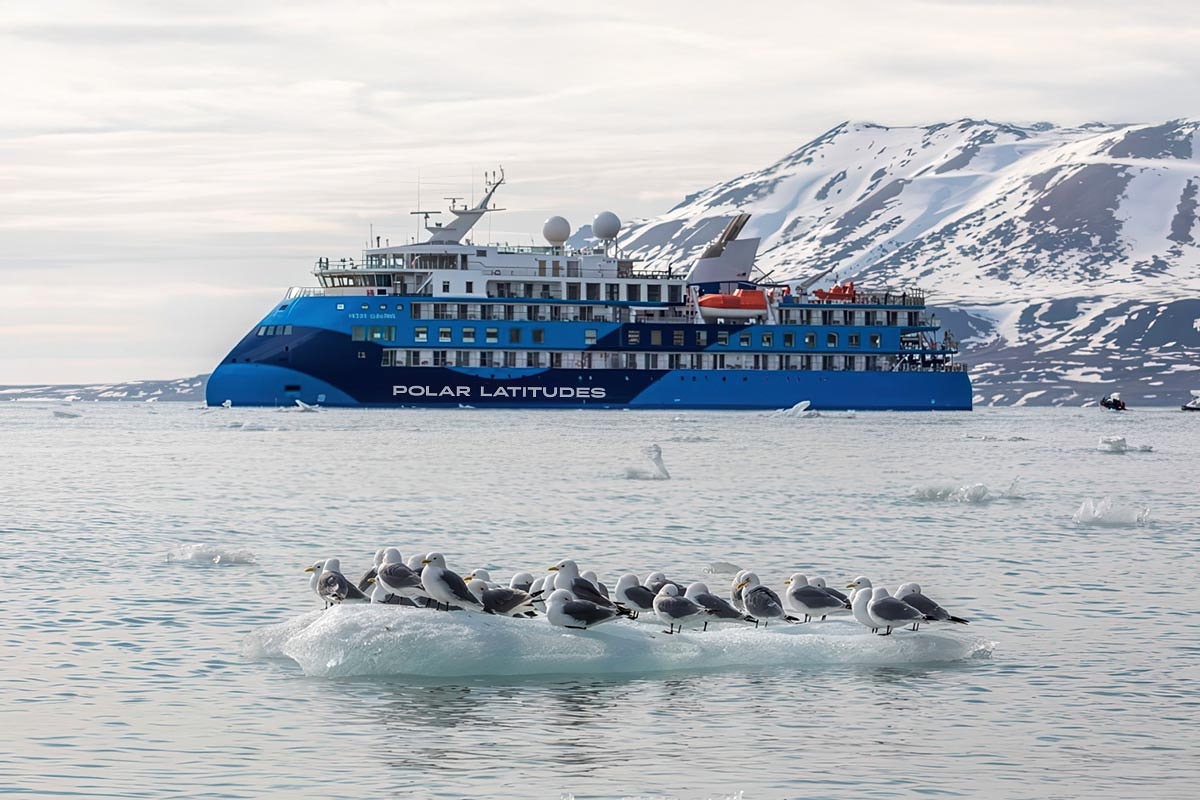
Ocean Albatros is a “next-generation” expedition ship and is one of only a handful of ships with an X-Bow design. This is considered to provide a smoother ride in rougher seas so this features makes it ideal for voyages in the Southern Ocean.
The ship has an excellent ice-rating (Ice Class 1A) which means it is design for cruises around Antarctica and the High Arctic.
The ship has a sauna, spa, two outside jacuzzis with panoramic views, and a gym as well as a spacious bar and lounge.
For those interested in wildlife (and, in particular, looking forwards for cetaceans and other more elusive wildlife), there is plenty of outside observation decks including a forward-facing area above the Bridge.
Most cabins have outside balconies, however, for those not requiring this feature, there are some porthole cabins including a number which are sold for single occupancy.
There is a main dining restaurant, smaller bistro and “24/7 Grab & Go” is also available.
To read more about the ship please click here and for details about the cabins click here.
Tour Gallery
View a gallery of images for this tour below, click on an image to view as full size with caption



Ask About This Tour
If you have any questions about this tour, please enter your details here and we will get back to you as soon as possible.
Alternatively, contact us by email or phone. We look forward to hearing from you!
- 0117 965 8333
- [email protected]
Or complete the contact form and we will endeavour to get back to you as soon as possible.
* = required field