India
"Ultimate Snow Leopards and Pallas’s Cats"
A hotel and comfortable homestay based holiday to one of the most amazing regions of India
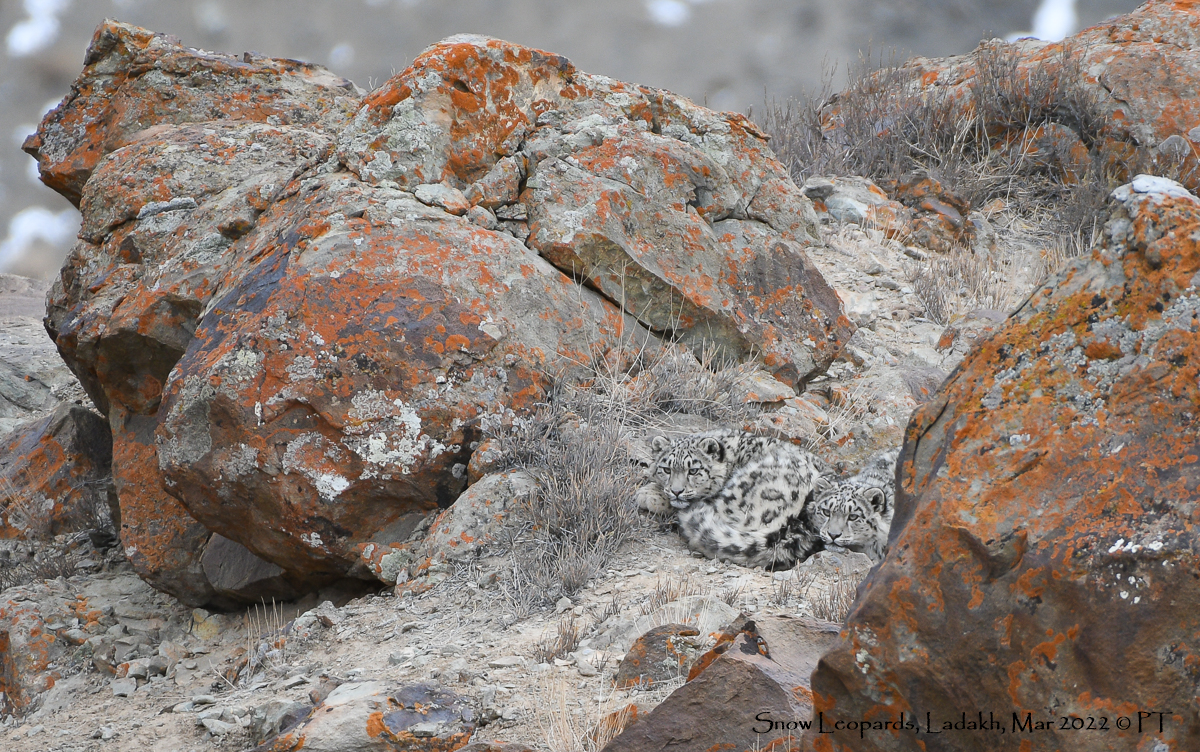
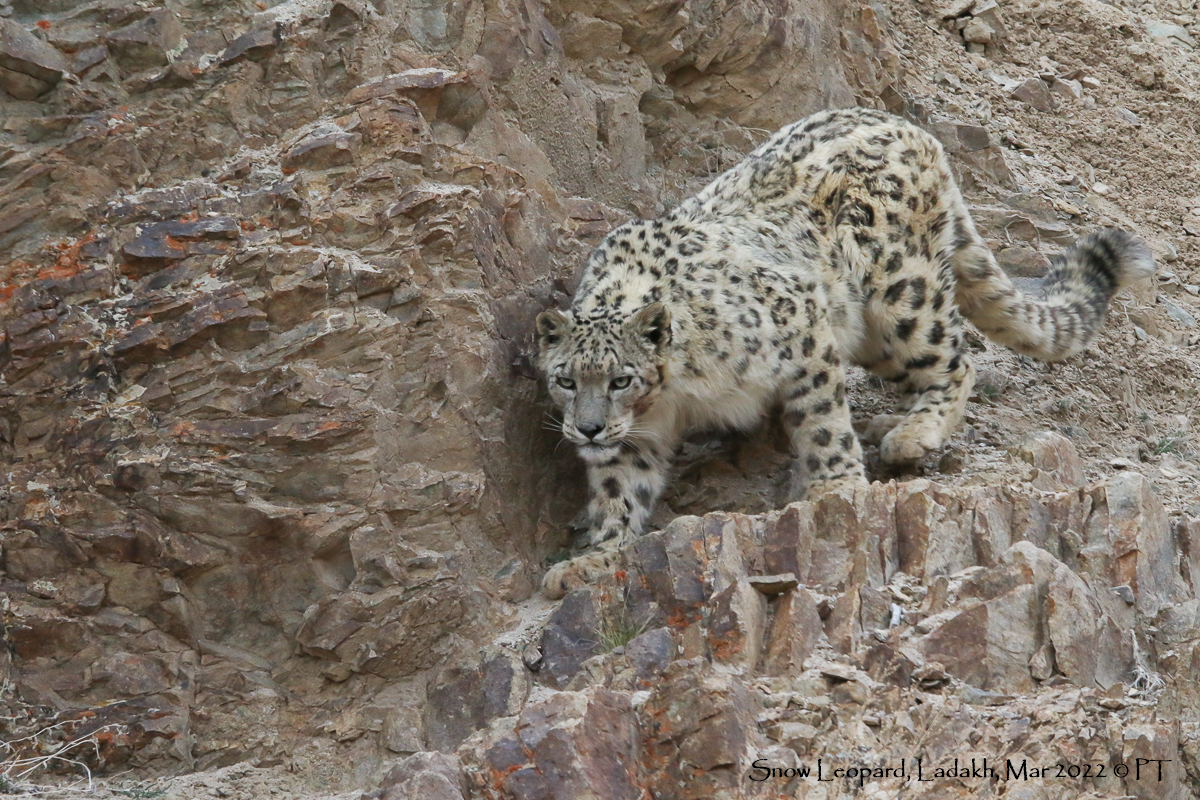
The spectacular mountain valleys of Ladakh in northern India are one of the most reliable and beautiful places in the world to find the enigmatic Snow Leopard and this special tour now offers the additional advantage of looking for Pallas’s Cat on the edge of the Tibetan Plateau.
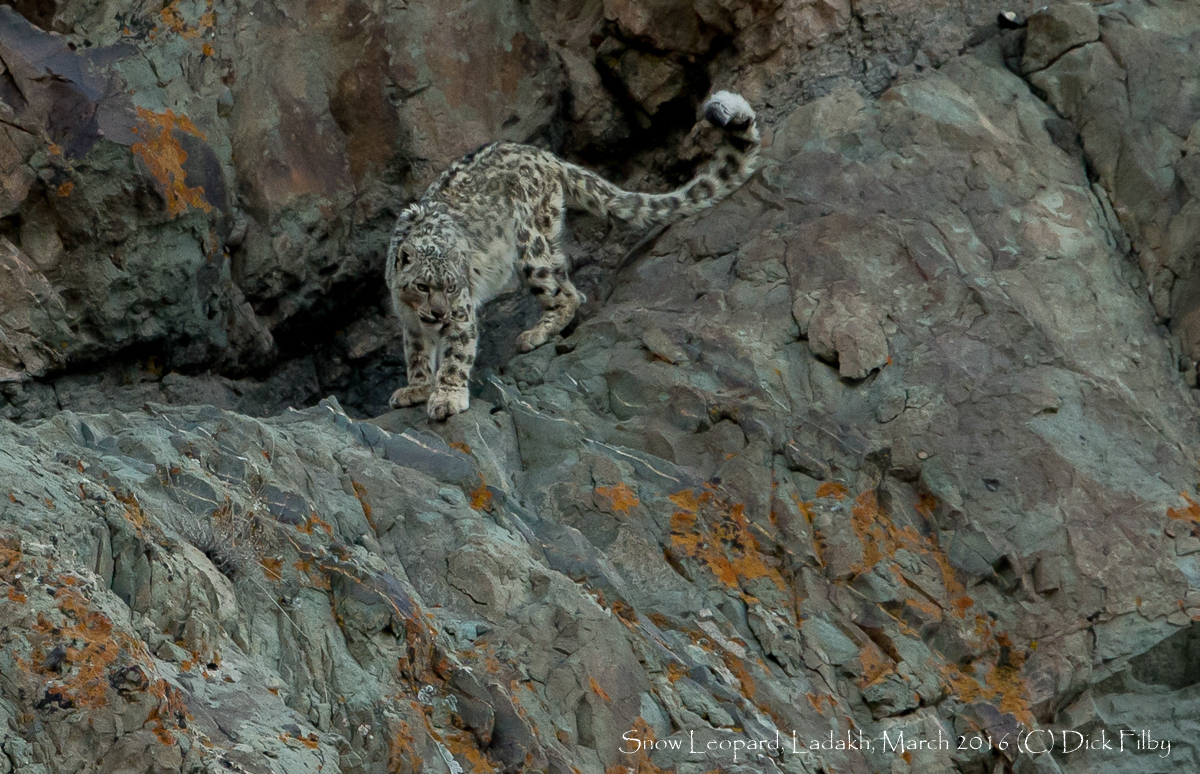
WildWings has been running extraordinarily successful tours to Ladakh since 2014 and the core part of our trip (unlike many alternatives) is actually based within Hemis National Park which not only gives you the best chance of seeing Snow Leopards but also means you have an excellent opportunity to observe them at dawn and dusk when they are most active. To observe a calling Snow Leopard on a ridgeline at dusk is one of the most evocative and haunting experiences imaginable.
We choose not to stay in a lodge or homestay outside of the park, as that would likely mean that you are not onsite in the early morning and late afternoon when Snow Leopards are hunting, mating or calling. All these activities have been observed on our recent tours.
Our tour also includes time on the Changthang Plateau close to the Tibetan border, a few hours drive from Leh on a tarmac road, where we stand a great chance of finding the delightful Pallas’s Cat, as well as Kiang (Tibetan Wild Ass), Tibetan Gazelle and Argali, the world’s largest species of wild sheep. We usually see all of them. Driving up the Indus valley, here a fast flowing mountain river, is spectacular in itself.
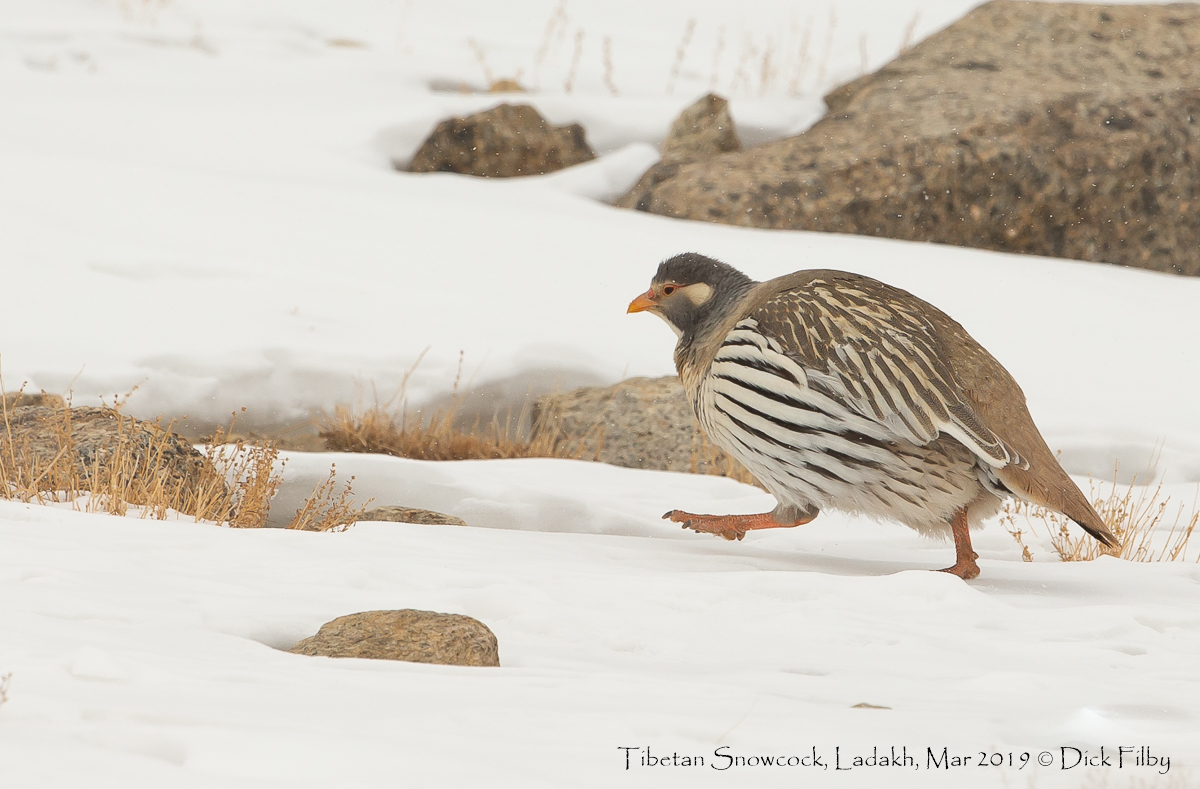
With the opportunity to also look for an impressive range of special birds including Ibisbill, Himalayan and Tibetan Snowcocks, Tibetan Partridge, Tibetan Sandgrouse, Tibetan Lark, Wallcreeper and Blanford’s Snowfinch and an optional extension to areas where Eurasian Lynx and Asiatic (Siberian) Ibex are often seen, this tour provides an incredible opportunity to enjoy some of the truly iconic species of the Himalayas.
Our Ladakhi guides and staff are a wonderful team, and we have built a superb friendly relationship with them since 2014: they are like family to us, and they will treat you as such too.
Tour Dates & Prices
Mon 1st March 2027
Mon 15th March 2027
- Available
Tour Cost: 15 Days from £4695 excluding flights
What's Included?
- Guided by WildWings Tour Leader Dick Filby (subject to minimum numbers) and/or WildWings’ expert Ladakhi Tour Leader Smanla Tsering
- Services of local guides/spotters and staff
- Five nights in a comfortable hotel in Leh
- Five nights in a comfortable homestay in Hemis National Park
- Three nights in a comfortable homestay lodge on the Changthang Plateau
- All transport for the tour – our transport stays with us throughout the entire trip
- National Park and all other fees
- All meals until breakfast on last day as well as tea, coffee and potable water
Cost Excludes
All airfares, visa fees, travel insurance, personal porter, personal items, tips, laundry, phone calls, all drinks other than tea and coffee, additional excursions, additional meals and costs incurred due to flight delays/cancellations, road closures or any other factors beyond our control.
Porter: It is highly recommended that each individual traveller/couple hires a porter whilst we are in the National Park. The cost per porter is £295.
Additional Information
The Land Only Tour Cost is the amount you will pay WildWings.
The cost of the extension is £1,095 per person based on two people sharing. Single Supplement is £250
Tour Highlights
- Explore the spectacular Himalayan province of Ladakh in Northern India
- Five days in remote Hemis National Park at the best time of year to find Snow Leopards with participants on our recent tours seeing both hunting and mating with almost daily Snow Leopard encounters
- Iconic mountain birds throughout the trip from the extraordinary Ibisbill around Leh, to Himalayan Snowcock, Himalayan Griffon, Bearded Vulture (Lammergeier), Tibetan Partridge, Wallcreeper and Red-fronted Serin in Hemis National Park
- Travel on to the Tibetan Plateau where we stand a great chance of finding Pallas's Cat, Kiang, Tibetan Gazelle, Argali, Grey Wolf, Tibetan Fox and more great birds including Tibetan Sandgrouse, Tibetan Lark, Blanford’s Snowfinch and Ground Tit
- Extension to look for Eurasian Lynx and Asiatic (Siberian) Ibex plus Tibetan and Himalayan Snowcocks with further chances for Snow Leopard.
- Experience the Tibetan culture, varied and amazing scenery, and the legendary hospitality of our team
Outline Itinerary
-
Depart UK for Delhi
-
Arrive Delhi then fly to Leh on early morning flight – birding around the hotel. Night at hotel in Leh
-
Birding and mammal watching in the Indus Valley near Leh plus option to visit a Buddhist Monastery. Further night at hotel in Leh
-
Depart Leh, drive to Hemis National Park. Begin looking for Snow Leopards and other wildlife. Five nights in a comfortable homestay in Hemis National Park
-
Exploring for Snow Leopards and other wildlife
-
Early morning watching for Snow Leopards and other wildlife. Leave Hemis National Park and return to Leh. Night at Leh hotel
-
Drive to Changthang Plateau, looking for Pallas's Cat, other mammals and birds enroute. Night at comfortable homestay on Changthang Plateau
-
Exploring Changthang Plateau for Pallas's Cat, other mammals and birds. Two further nights in homestay on Changthang Plateau
-
Return to Leh, looking for Pallas's Cat, other mammals and birds enroute. Night at Leh hotel
-
Looking for Snow Leopards, other mammals and birds near Leh. Night at Leh hotel
-
Depart Leh. Fly to Delhi and onwards connection to international flight, arriving UK later in the day
-
--------------------------------------------------
-
Three days exploring the Leh areas for Eurasian Lynx, Asiatic (Siberian) Ibex and Snow Leopards plus other wildlife. Three nights at Leh hotel
-
Depart Leh. Fly to Delhi and onwards connection to international flight, arriving UK later in the day
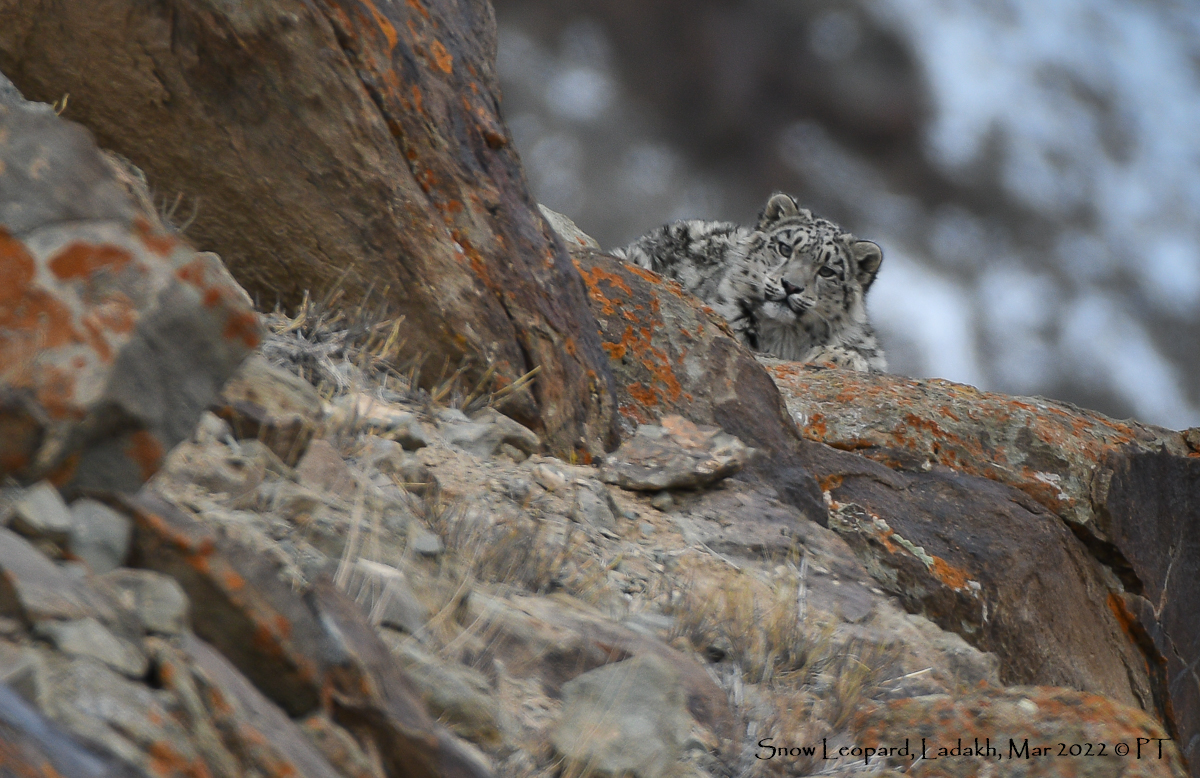
The setting for this remarkable tour is the remote and beautiful mountainous territory of Ladakh, adjacent to the Tibetan border, close to the Karakoram range and beyond the highest peaks of the Himalayas in far northwestern India. With a population density averaging less than two people per square kilometre, it is a very sparsely inhabited land which, in general, is little impacted by humans.
Ladakh is mostly cut off by road from the rest of India for around five months every year due to winter snows on the high mountain passes to the south but being in the ‘rain-shadow’ of the high Himalaya, it receives very little precipitation, resulting in cold but dry winters. Our visit is timed in Spring, when the sun rises high in the sky and rapidly warms the landscape. The low humidity makes temperatures more tolerable than similar temperatures in much more humid places such as the UK.
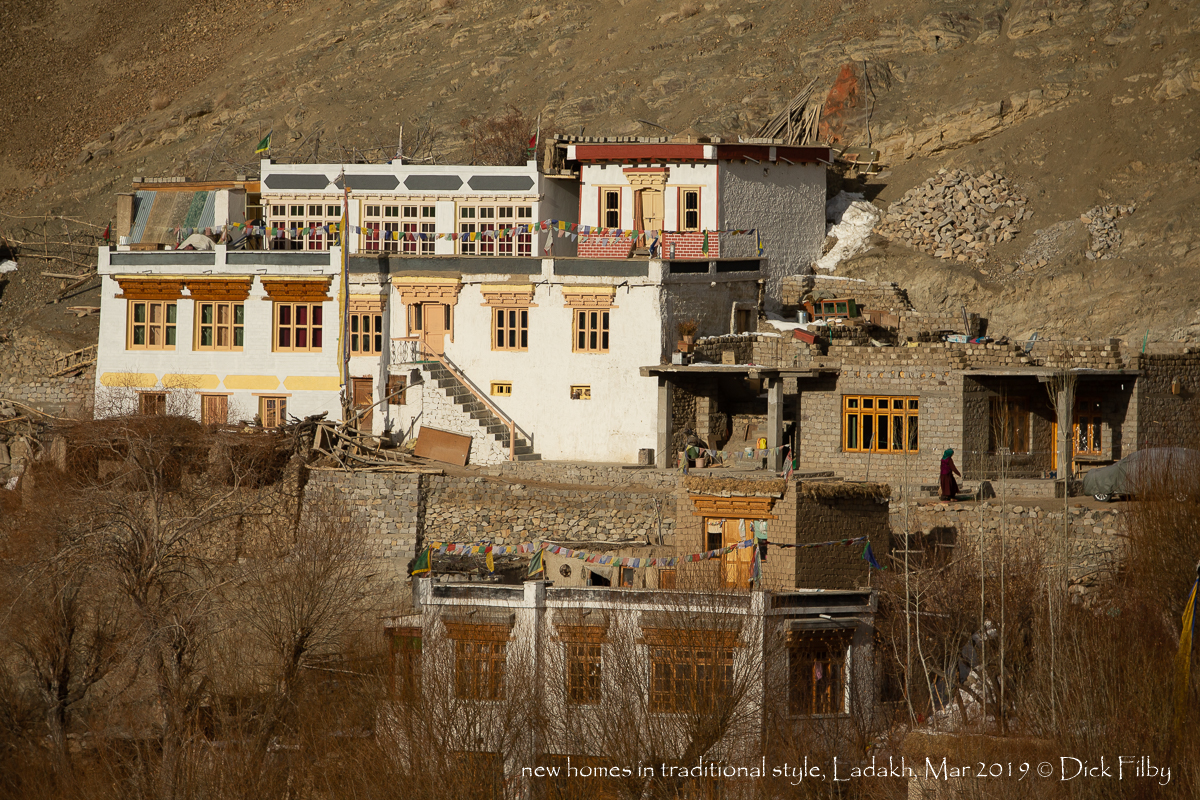
The majority of the population are Tibetan Buddhists and in rural areas many still live in traditional mud and stone buildings adorned with prayer flags. Scattered small communities have a few terraced fields of wheat or barley, as well as some grazing animals, yaks, cows, and donkeys that every evening need to return to the shelter of the buildings in the village to avoid the attentions of the enigmatic and omnipresent Snow Leopard.
Our trip starts in Leh, the capital of Ladakh, which is a small town in the Indus valley. At the time of our visit, life is generally sedate and much slower paced than in almost any other town on the Indian Subcontinent.
We will spend two nights in a comfortable hotel, acclimatising and looking for wildlife along the banks of the mighty Indus River. This area is home to iconic birds such as Ibisbill, Solitary Snipe and Güldenstädt’s Redstart and we plan to also offer an optional visit to one of many famous monasteries, where our local guide will explain Buddhist traditions and beliefs. All the while the mountains and valleys of nearby Hemis National Park provide a dramatic backdrop and beckon us.
After two nights in Leh, we will drive into Hemis National Park for a five-night stay at comfortable homestay lodges in an area where we have always previously encountered multiple Snow Leopards, on every trip. Indeed, this is the same area where a few years ago the BBC filmed them, whilst we were present.
With sweeping vistas of adjacent valleys and hillsides, we are perfectly positioned, and the key to our success is our expert team of local guides and excellent spotters who are all well acquainted with these cats and their secretive habits. Our team will also draw on their extensive network of local contacts.
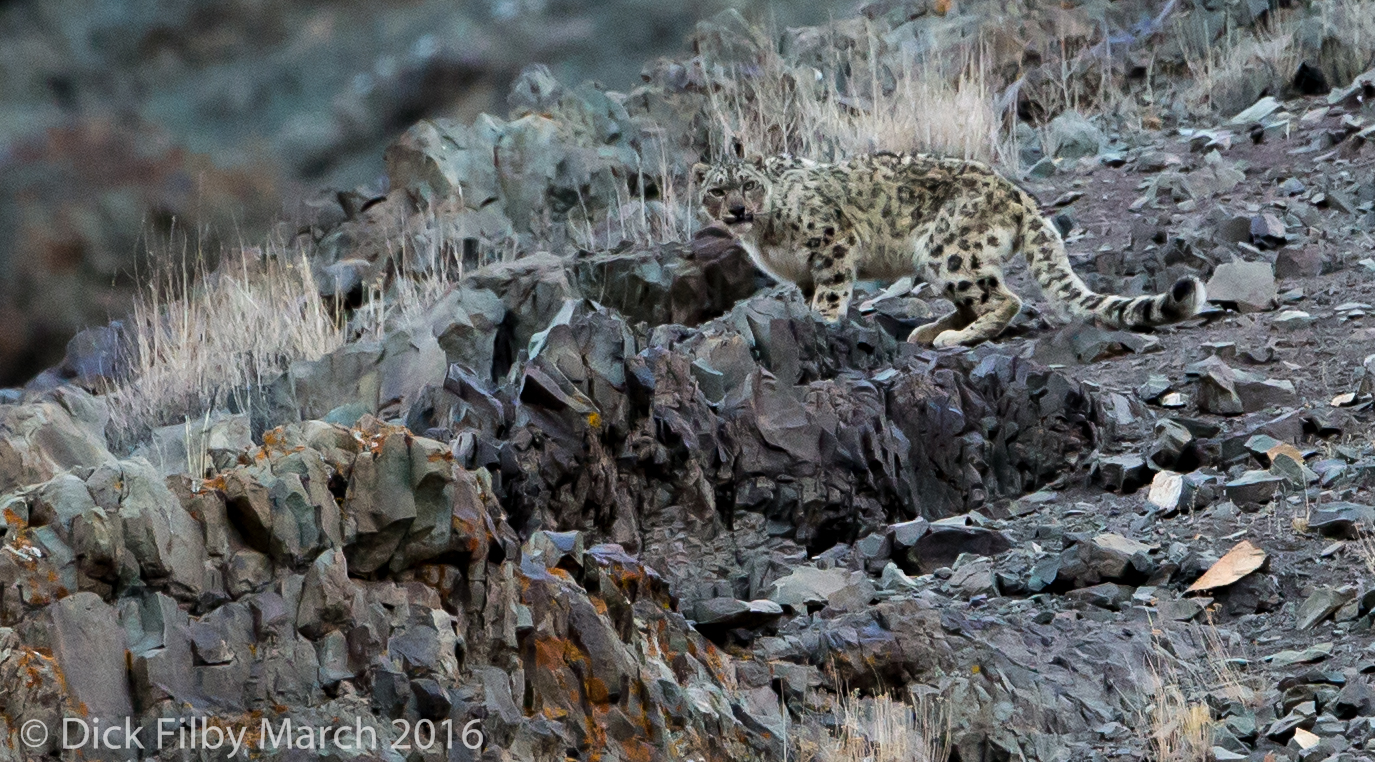
As is often the case with wild cats, Snow Leopards frequently snooze for several hours during the middle of the day, so when one is spotted it can result in prolonged viewing opportunities.
Our visit is carefully timed to maximise on our chances of finding this elusive feline and we will be there during the mating season when pairs can stay together for several days, something we have been fortunate to experience on several previous occasions.
Whilst the coldest days of winter will have passed, and the mostly sunny days are pleasantly warm, the winter snows, such as they are in this arid land, are usually still close to their maximum extent and this drives the Snow Leopards and their main prey, the Blue Sheep, to lower, almost snow free elevations, close to our base. With both species concentrated in a significantly smaller area than in summer, this gives us a much better opportunity to find them.
Additionally, and because it is the mating season, females will occasionally advertise their presence with their cries sometimes echoing around the valley as they call from a ridge, looking for a potential mate.
Video filmed by Tour Leader Dick Filby on our 2023 tour
As the sun starts to sink, this is typically when the Snow Leopards awake from their afternoon nap and by being based within the park (rather than in a hotel outside of the protected area), we should be onsite at the moment that one yawns, stretches, stands up and sets off to hunt or to find a mate.
You can reasonably expect there to be chances to photograph them, although as most sightings are at quite some range, digiscoping or a mirrorless camera with a long lens plus converters are the best options, although sometimes we get lucky with much closer views.
We don’t plan on much walking and virtually every Snow Leopard we have ever seen has been viewable from the valley floor, where gradients are in general very gentle and our vehicles can often transport you. You do, however, have the option to hire a local porter to carry your telescope, tripod, camera and backpack to make your walking easier, especially if you are interested in going higher.
After five nights in Hemis National Park, we will leave our comfortable homestay lodges and return to Leh for one night before heading along the Indus valley to visit the Changthang Plateau. Using a minibus for transport, we will be based at one or more comfortable homestay lodges close to the Tibetan border, giving us the opportunity to look for several iconic mammals and birds which are not available on the first part of the trip.
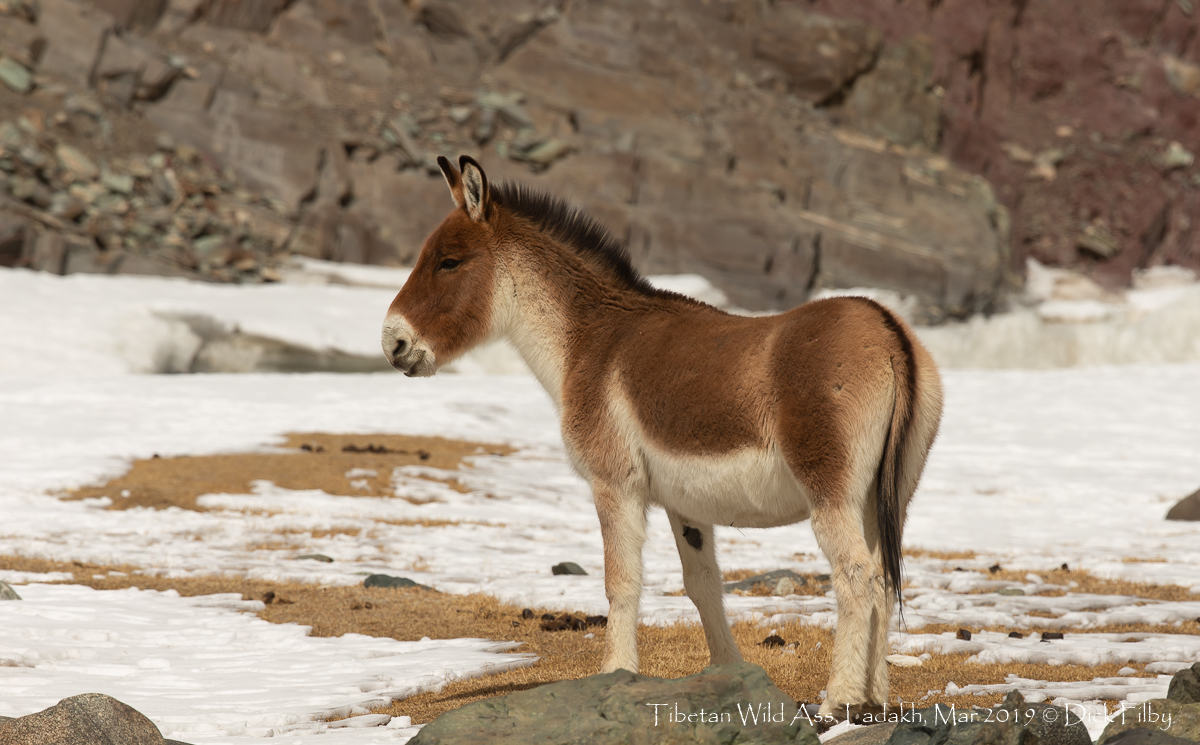
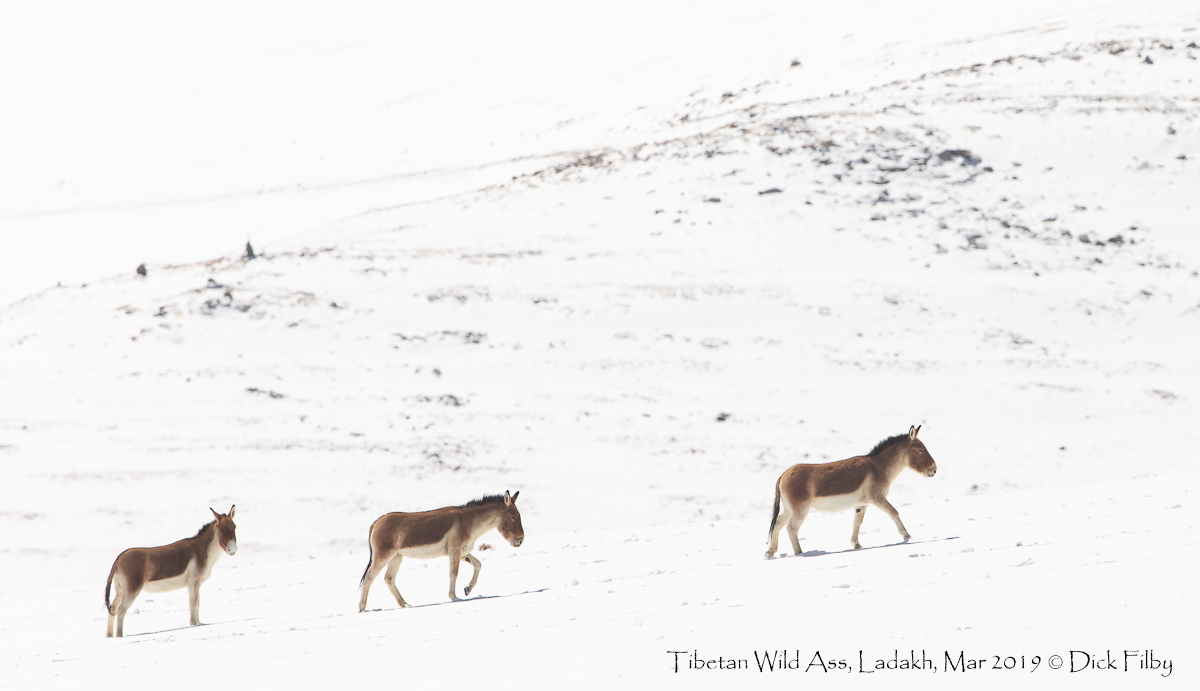
Our main target on this section of the holiday is the delightful Pallas’s Cat but there are plenty of other special species to find including the dramatic looking Kiang (the largest species of wild ass) and the delicate Tibetan Gazelle. We have excellent opportunities to see all three: Kiang are found here in good numbers, Pallas’s Cats are seen regularly, and this is the core area for the small remaining Indian population of Tibetan Gazelle, a diminutive high-altitude member of the antelope family.
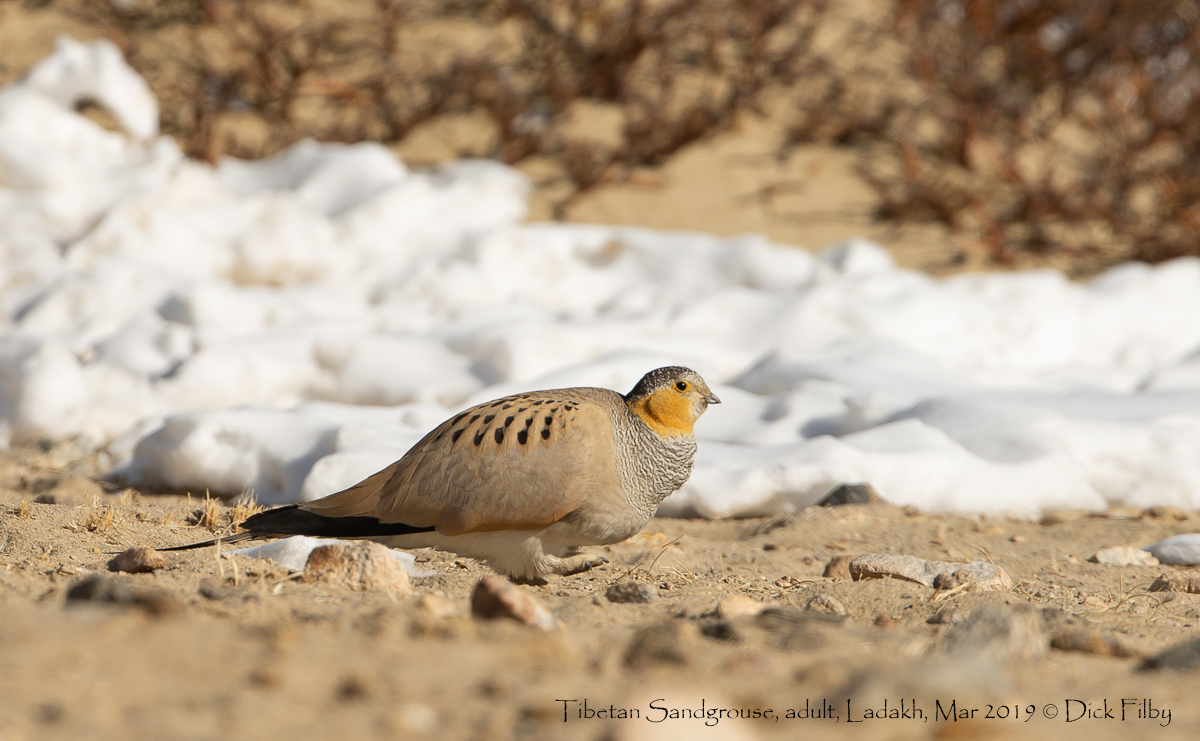
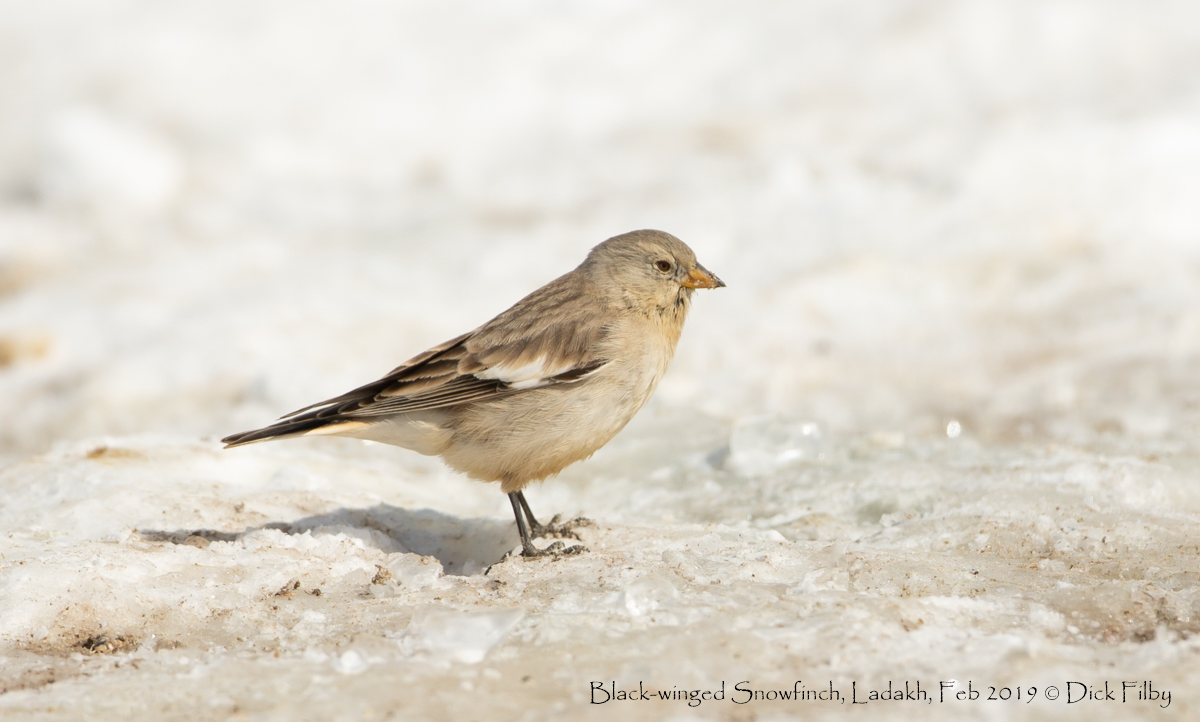
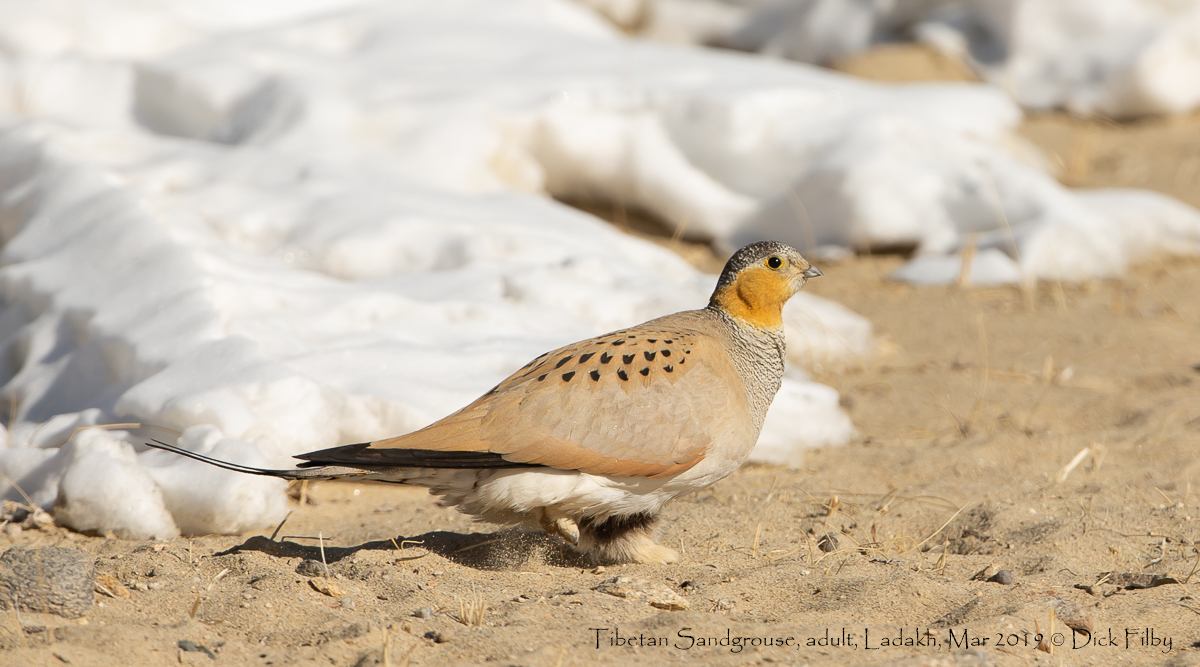
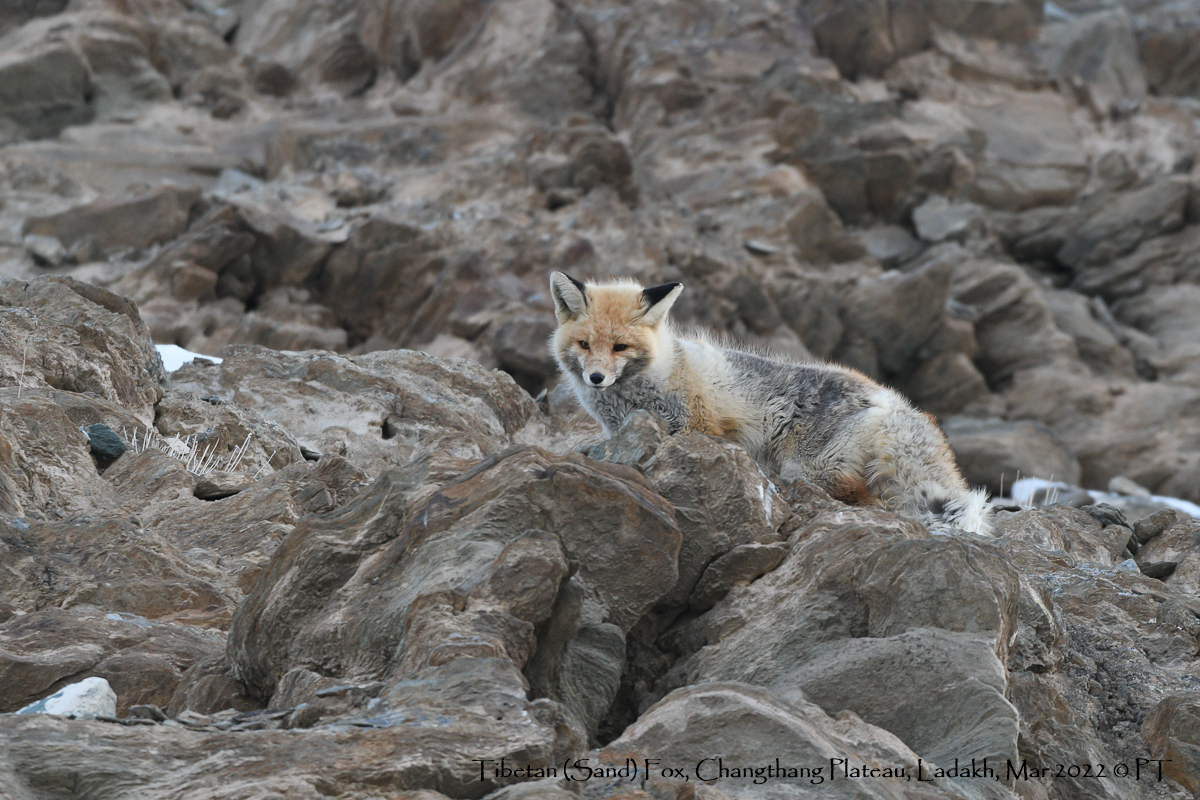
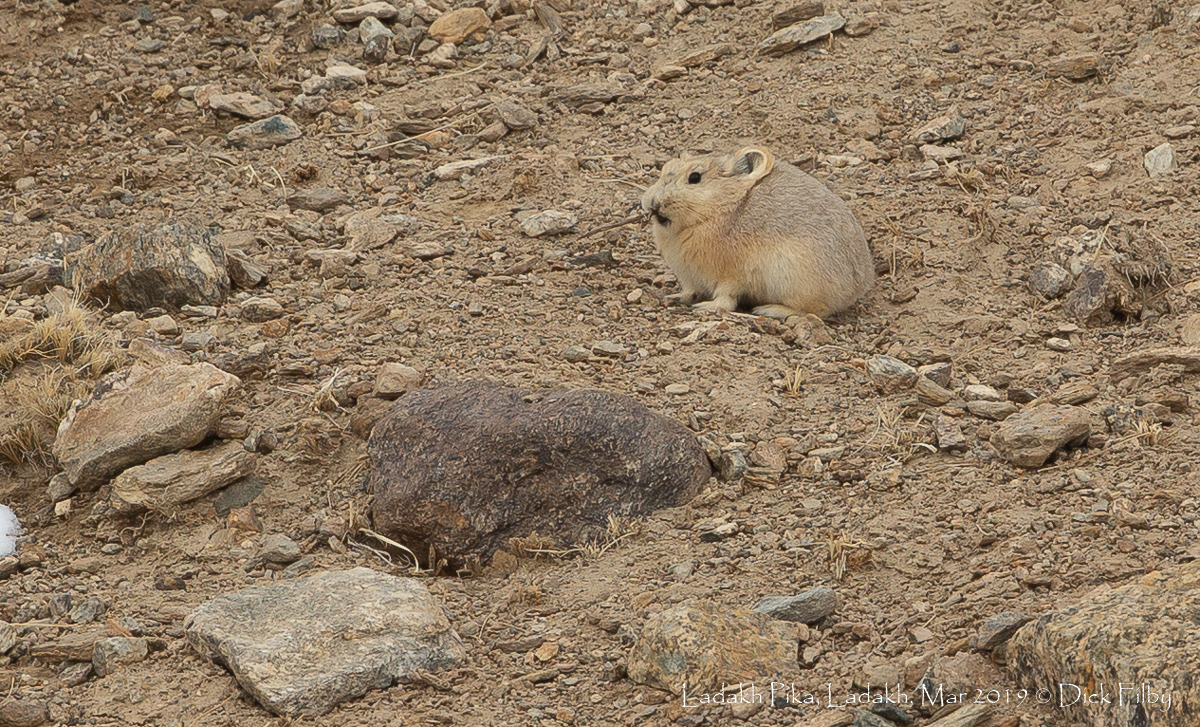
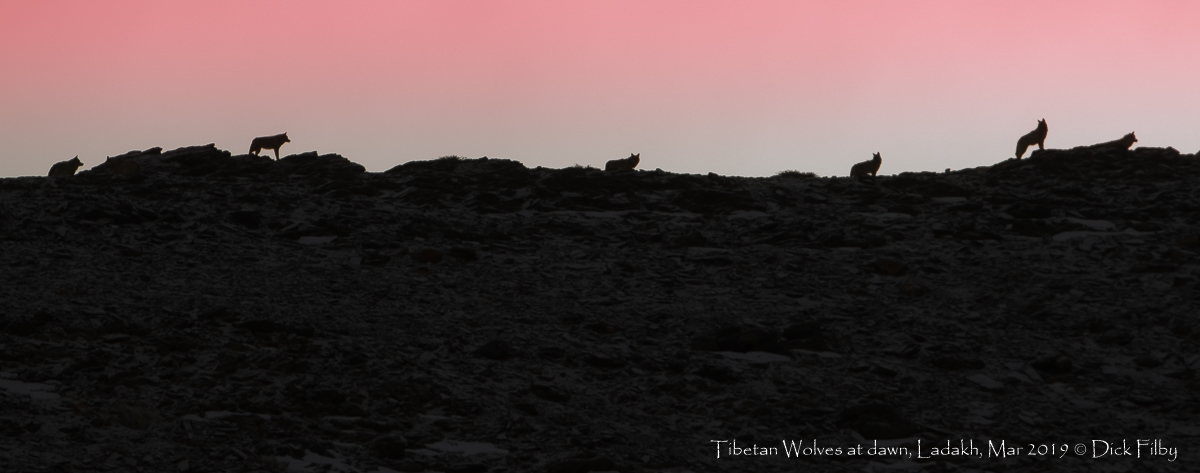
The supporting cast includes Grey Wolf, occasionally Tibetan Fox, Ladakh Pika, as well as further chances for Snow Leopard, along with a fine selection of birds including specialities such as Tibetan Sandgrouse, Tibetan Lark, Ground Tit, the delightful Blanford’s and Black-winged Snowfinches, Brandt’s (Black-headed) Mountain Finch, Great Rosefinch and occasionally the very localised and rare Black-necked Cranes which breeds here in small numbers, with a pair seen in March 2026.
EXTENSION
Following the main tour, there is an optional extension with three days of day trips from our comfortable hotel in Leh where the primary objective is to look for Eurasian Lynx and Asiatic (Siberian) Ibex, as well as further chances for Snow Leopard, both Tibetan and Himalayan Snowcocks and other birds including early summer migrants.
Potential Mammals (selected only)
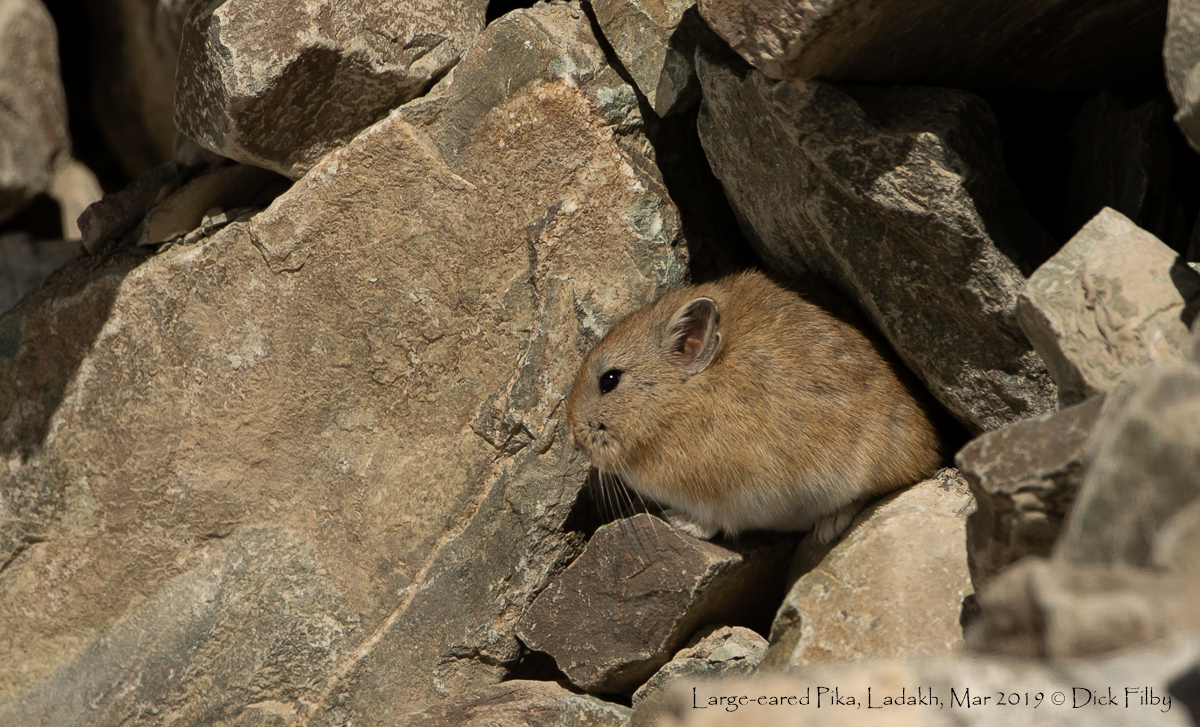
Hemis National Park: Snow Leopard, Eurasian Lynx, Grey Wolf, Greater Blue Sheep (Bharal), Mountain Weasel, Woolly Hare and Large-eared/Royle’s Pika
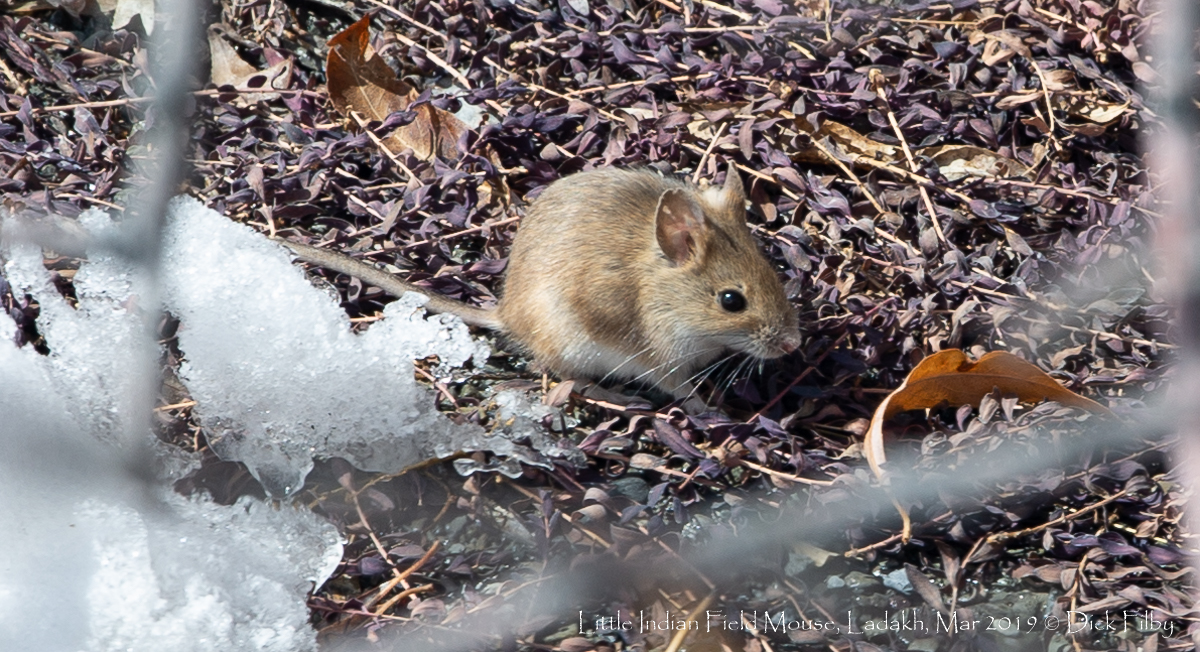
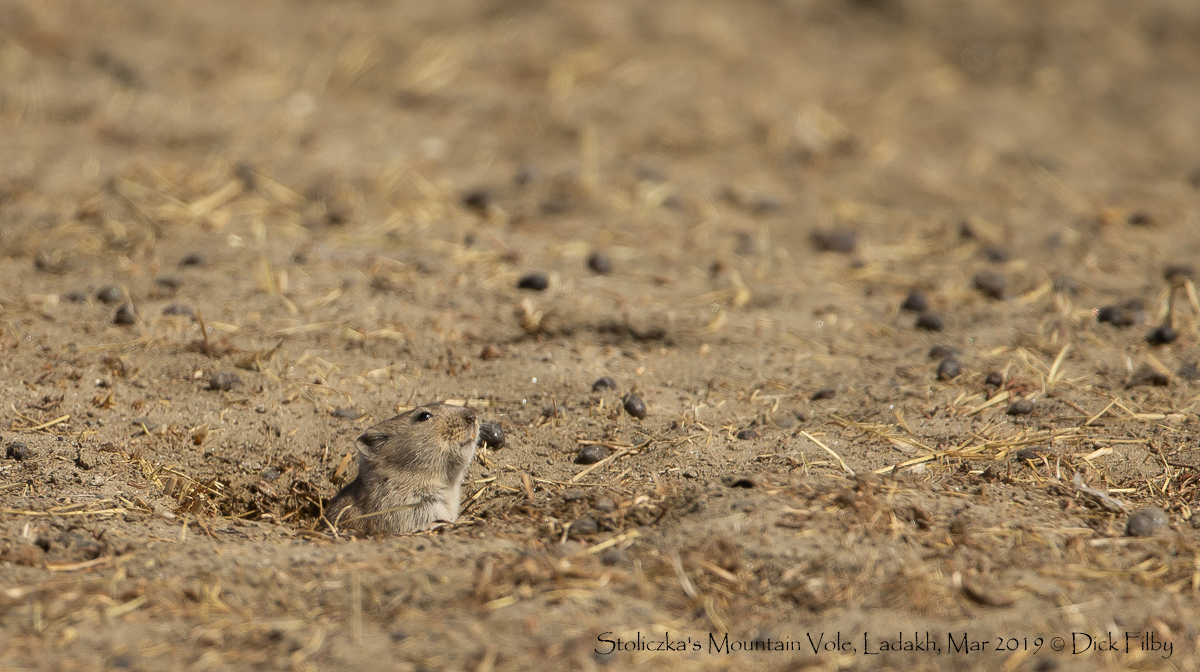
Changthang Plateau: Snow Leopard, Grey Wolf, Tibetan (Sand) Fox, Kiang (Tibetan Wild Ass), Tibetan Argali, Greater Blue Sheep (Bharal), Ladakh Urial (Red Sheep), Mountain Weasel, Woolly Hare, Plateau/Ladakh Pika and Stolizcka’s Mountain Vole
Leh area/extension: Snow Leopard, Eurasian Lynx, Grey Wolf, Greater Blue Sheep (Bharal), Asiatic (Siberian) Ibex, Ladakh Urial (Red Sheep), Mountain Weasel, Woolly Hare and Large-eared/Royle’s Pika
Potential Birds (selected only)
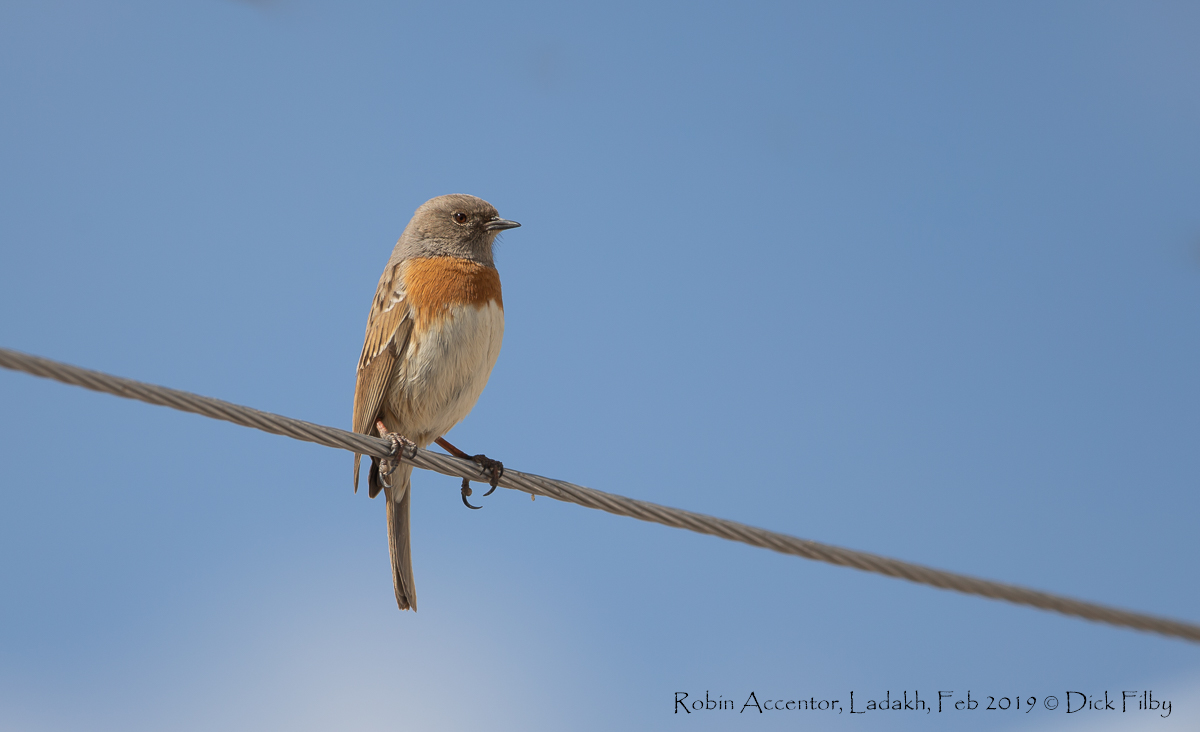
Hemis National Park: Himalayan Snowcock, Tibetan Partridge, Chukar, Hill Pigeon, Lammergeier, Himalayan Griffon, Golden Eagle, Red-billed and Yellow-billed (Alpine) Choughs, Brown Dipper, Güldenstädt’s (White-winged) Redstart, White-capped Redstart, Wallcreeper, Cinereous Tit, White-browed (Stoliczka’s) Tit-Warbler, Black-winged Snowfinch, Robin Accentor, Brown Accentor, Red-fronted Serin, Brandt’s Mountain-Finch, Mongolian Finch and Great and Streaked Rosefinches
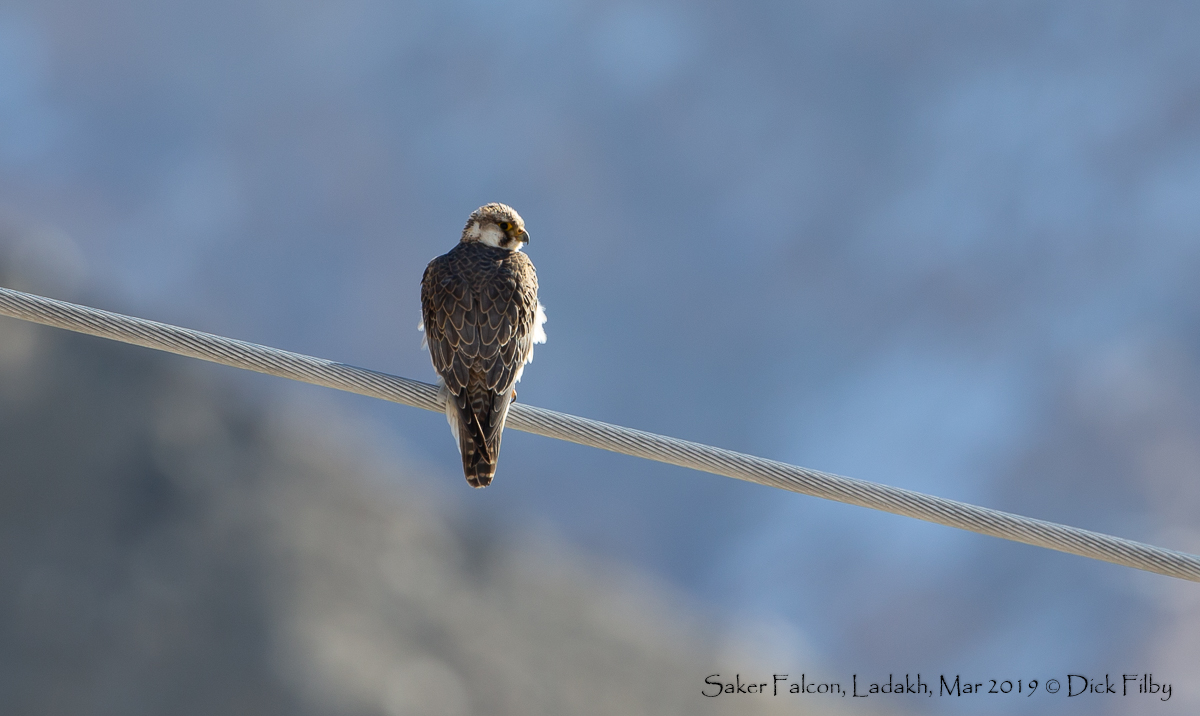
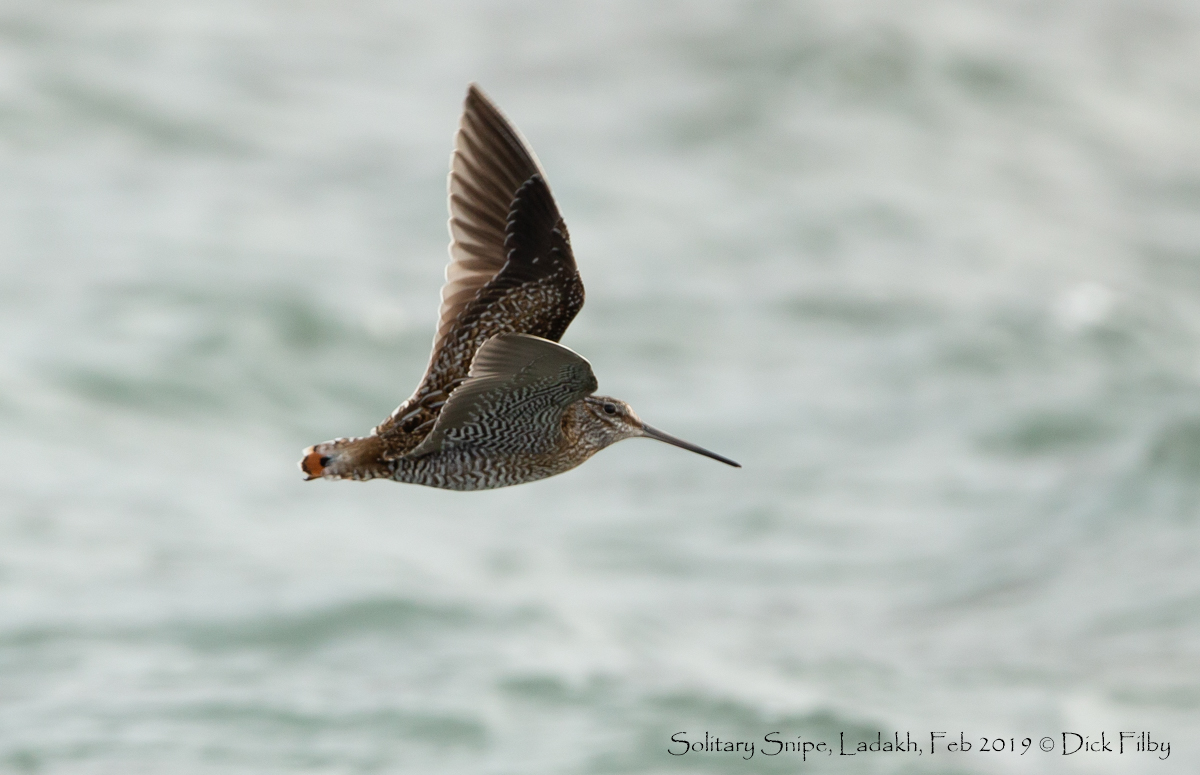
Changthang Plateau: Tibetan Sandgrouse, Ruddy Shelduck, Solitary Snipe, Upland Buzzard, Saker, Ground Tit (Hume’s Groundpecker), Tibetan Lark and Blanford’s Snowfinch, as well as many of the species which we could see in Hemis National Park. We saw some early-returning Black-necked Cranes on territory in March 2026.
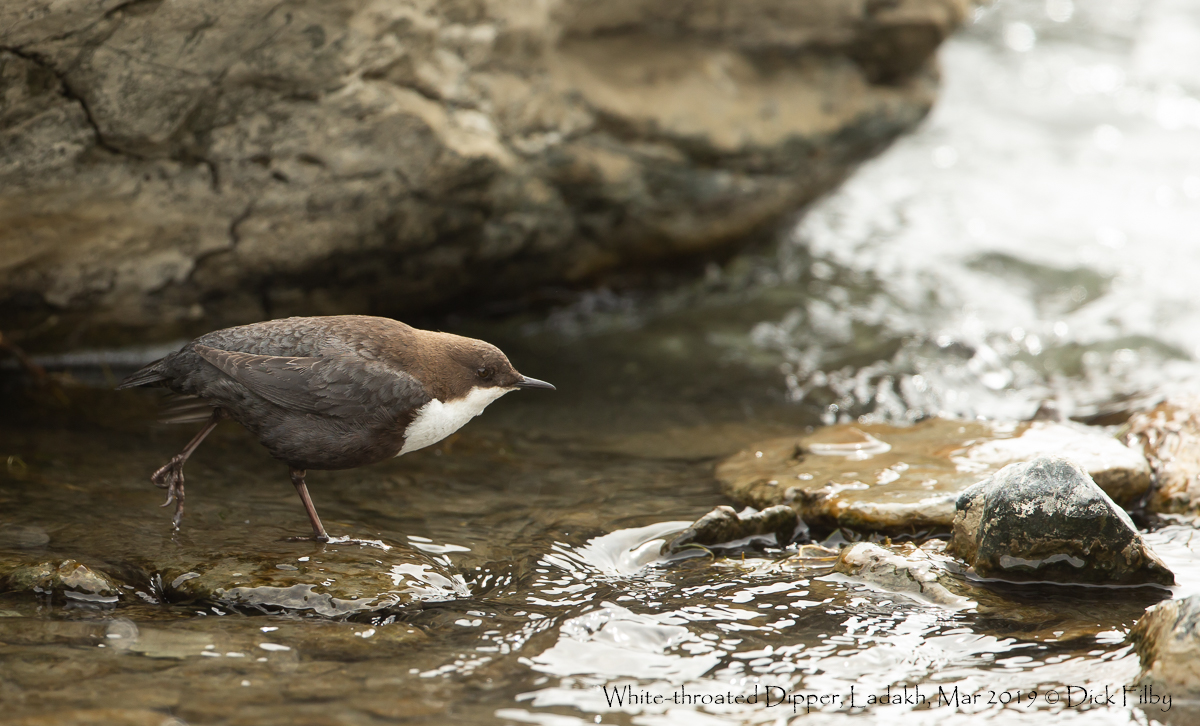
Leh area/extension: Tibetan Snowcock, Ibisbill, Solitary Snipe, White-throated Dipper, Brown Dipper, Blue Whistling Thrush, Black-throated Thrush, as well as many of the species which we could also see in Hemis National Park.

Day 1: Fly to Delhi
Day 2: Fly from Delhi to Leh
The tour starts at Leh airport in the morning, as all flights from Delhi are scheduled to arrive early in the day, normally offering spectacular panoramic vistas of the Himalayas and the Ladakh range. On arrival, we will transfer to our comfortable hotel for a two-night stay.
Leh is at an altitude of around 11,400 ft (3,475m), so the reduced oxygen level needs adjusting to and we will have a very gentle first day, during which we offer only birding around the hotel grounds and nearby gardens, fields and streams with very limited walking.
With prayer flags fluttering everywhere, and monasteries and shrines atop nearby hills, it is often said that this part of India is very much like Tibet used to be before the Chinese took control and the Dalai Lama fled to India. Night Leh hotel
Day 3: Birding and mammal watching in the Indus Valley near Leh plus visit to Thikse Monastery
We will spend the day on a minibus excursion looking for wildlife along the banks of the Indus River and with an optional visit to Thikse or Spituk Monastery. Thikse is perched, citadel-like, on a low hill and often likened to the winter palace of the Dalai Lamas in Tibet. Throughout the area, there are several monasteries and Buddhist prayer wheels, chortens, statues of Buddha and prayer flags abound.
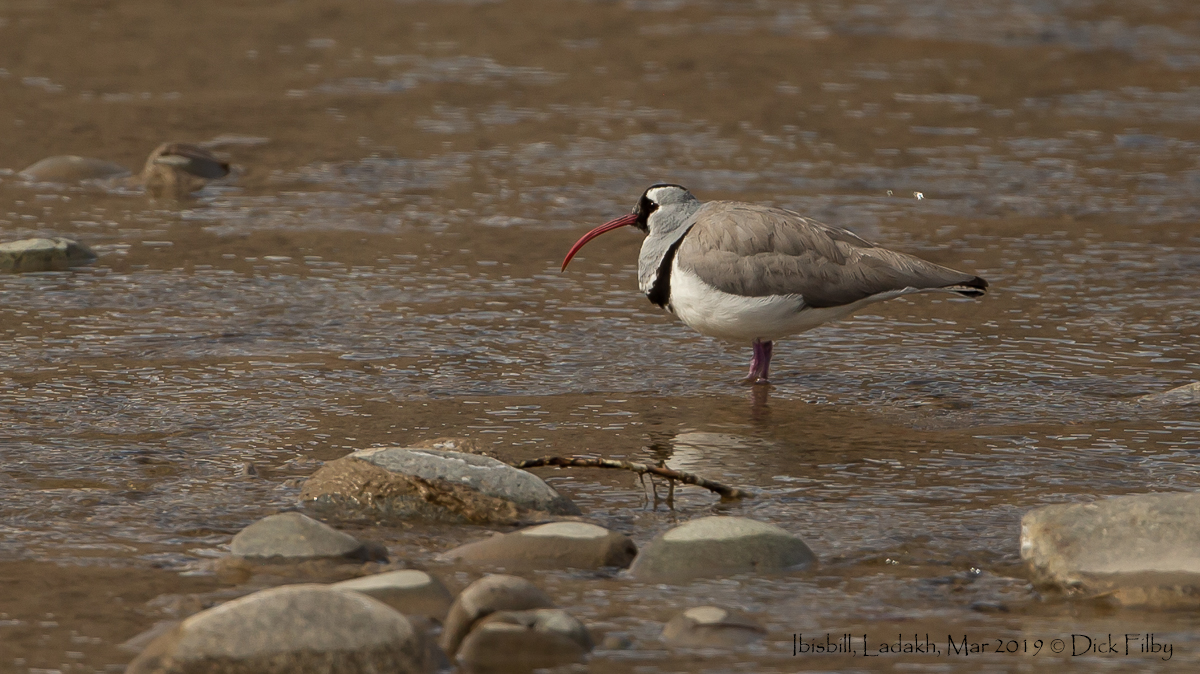
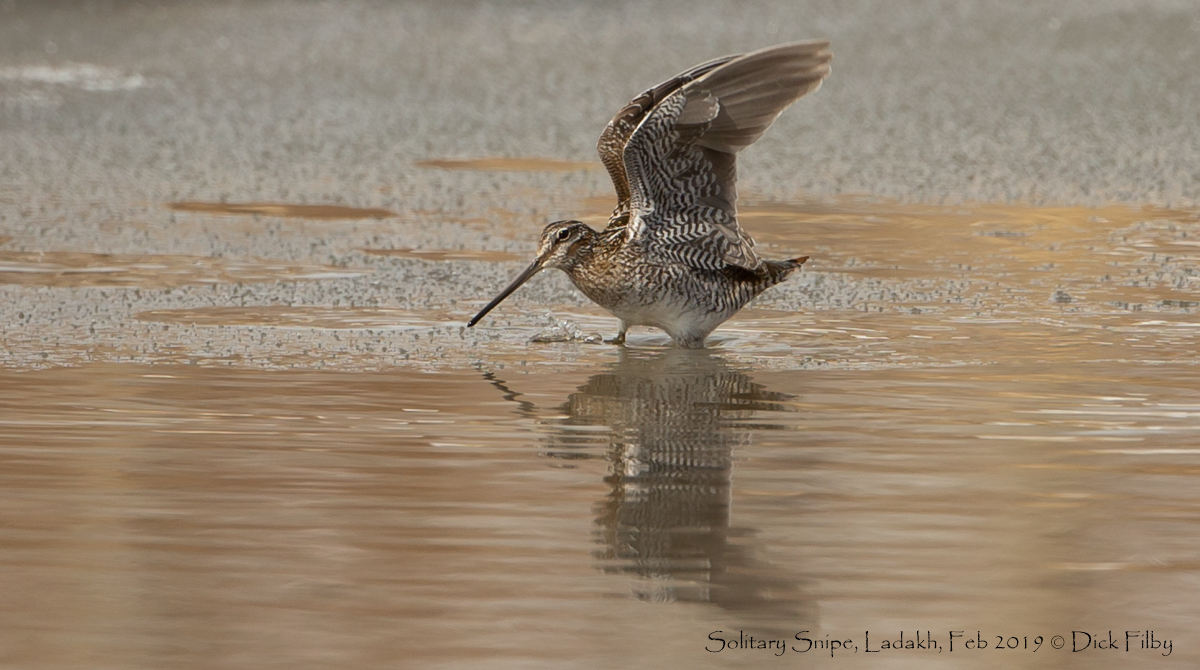
In the cultivated areas close to the river, and along the riverbanks themselves, we will seek out several iconic birds including the extraordinary Ibisbill which is undoubtedly one of the world’s most unusual looking waders with its grey and black head and brilliant red decurved bill. Another target is the elusive Solitary Snipe, and we can also expect to enjoy good numbers of the dramatic-looking Güldenstädt’s Redstart.
Other possibilities include Black-eared Kite, Upland Buzzard, Cinereous Tit, Blue Whistling Thrush, White-capped Redstart, Black-throated Thrush, Brown and Robin Accentors and Mongolian Finch.
If you opt to visit a Monastery, you will learn about Tibetan Buddhist culture, see extraordinary buildings and artwork, plus you may witness Lammergeier, Himalayan Griffon or a Golden Eagle soaring overhead. Night Leh hotel
Day 4: Depart Leh, drive to Hemis Hational Park
After breakfast, we will leave Leh and drive to Hemis National Park. A straight drive of around 90 minutes, but we are likely to stop for roadside wildlife and to enjoy the dramatic scenery, including a viewpoint high above a deep gorge along the Indus prior to its confluence with the Zanskar river.
Our comfortable homestay is at an altitude of around 13,000ft (3,960m), so only a little higher than the hotel in Leh. The heated bedrooms are cosy and a warm welcome and good food awaits in the dining room, freshly prepared by our own chef team.
After lunch, we will continue our exploration of the area and are likely to spend at least part of the afternoon at the vantage point a short distance from the homestay, looking for Snow Leopards, other mammals and birds. Afternoon tea and biscuits will be brought to us, wherever we are, before we return to our homestay for dinner, thereby setting the trend for the following days. Night comfortable homestay in Hemis National Park
Days 5-8: Exploring around base for Snow Leopards and other wildlife.
We will have the equivalent of five days to look for Snow Leopards and with around 12 hours of daylight, there will be plenty of time to look for wildlife and get a good night’s rest.
Prior to dawn, the calls of Himalayan Snowcocks and Chukars are likely to be the first sounds of the day, although the mating calls of a Snow Leopard or the howling of Grey Wolves are also possible.
Our guides will already be on the lookout for Snow Leopards, either from our base or nearby. You have the option to join them or take your time and have a more leisurely start. Tea, coffee and biscuits are served in your room and at the nearby watchpoint and you will have the opportunity to enjoy both.
After the dawn watch, a hearty breakfast will either be served at the homestay or, if we are already watching Snow Leopard(s), then the team will bring this to us “in the field”.
Afterwards, if a Snow Leopard has not yet been spotted, we will likely drive to another vantage spot, to carry on searching for them.
The amount of walking you choose to do each day is entirely up to you. You may choose to stay around our comfortable base all day and just head out when a Snow Leopard is spotted, or take a ride in the minibus to a new vantage point with the spotters. Alternatively, for those who wish, there will usually be the option of a hike of about a mile or so most days, with any uphill walking being at a slow pace. For those who wish to push on uphill and expend more energy, there will be opportunities, but generally Snow Leopards can readily be seen from the valley floor.
Most of the walking will be on gentle inclines, on simple trails or jeep tracks, although occasionally we may need to get into a better position for viewing which can involve steeper walking for short distances.
If you wish to make your walking significantly more comfortable, we can arrange a personal porter for your stay in Hemis National Park who can then carry your backpack, camera gear, tripod, scope etc. It is remarkable how much this helps when you are walking up even the gentlest of gradients.
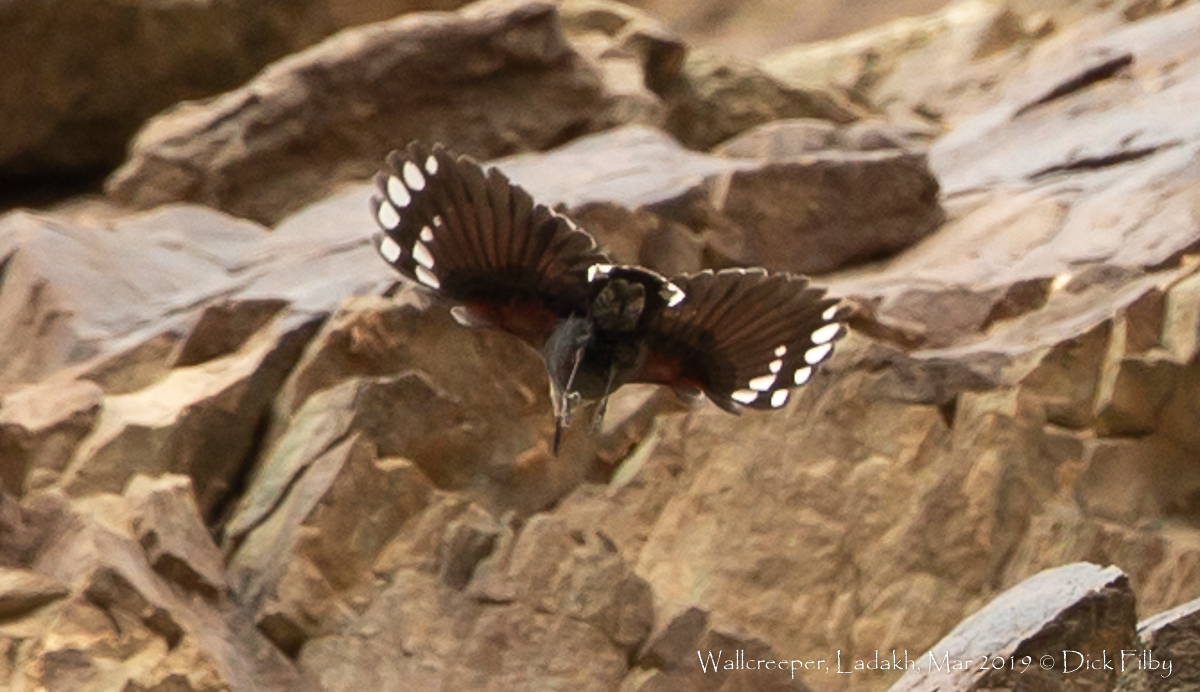
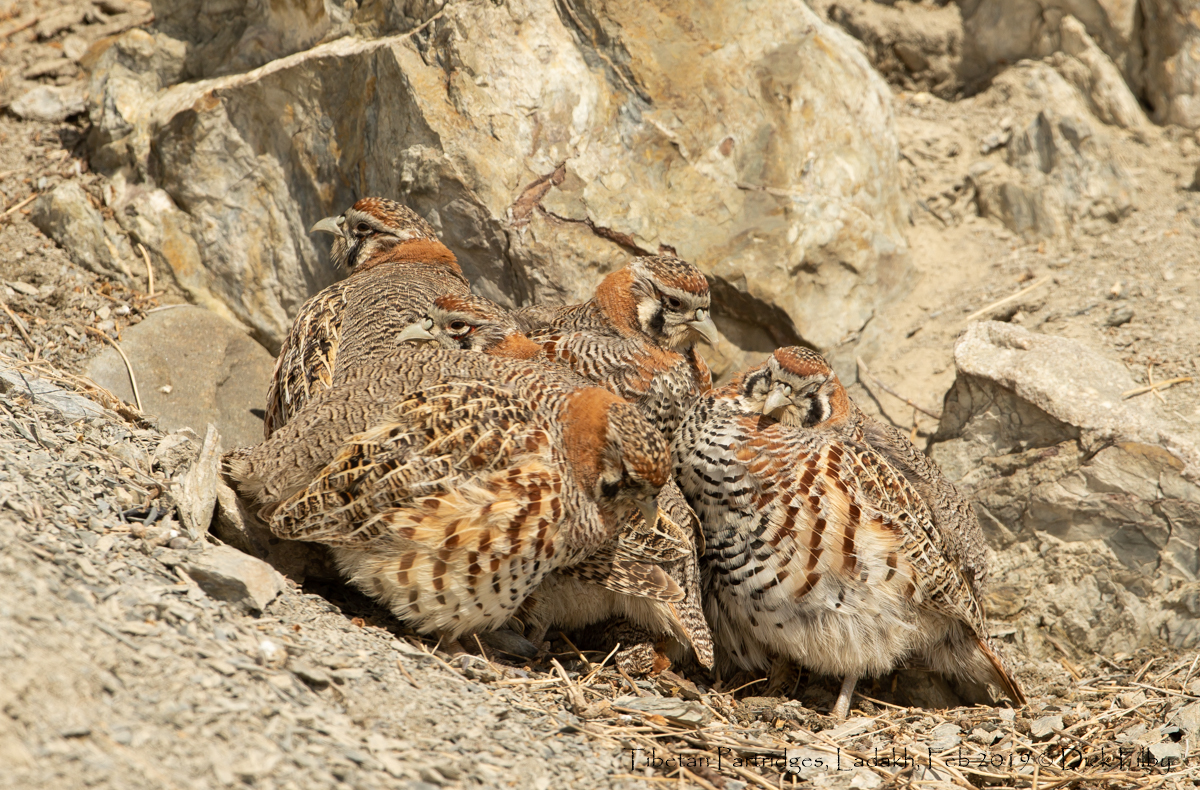
Other mammals that are found here include Eurasian Lynx, Woolly Hare, Grey Wolf, Mountain Weasel, Large-eared Pika and plenty of the Snow Leopards’ favourite prey, Blue Sheep (Bharal). There are some great birds too including Himalayan Snowcock, Tibetan Partridge, Lammergeier, Himalayan Griffon, Hill Pigeon, both Red and Yellow-billed Choughs, Wallcreeper, the extraordinary, purplish-coloured White-browed (Stoliczka’s) Tit-Warbler, Brown Dipper, Brown and Robin Accentors, Red-fronted Serin and both Great and Streaked Rosefinches.
Whenever we are away from our base, our amazing support team will bring us hot tea, coffee and a snack, mid-morning and mid-afternoon, whilst in the middle of the day, we will also get a substantial hot lunch delivered to wherever we are. Evening meals at the homestay are a sociable time, as we recap on the day’s sightings before heading to comfortable beds in heated bedrooms, taking a hot-water bottle with you if you so wish. Four further nights in homestay in Hemis National Park
Day 9: Leave Hemis National Park and return to Leh
Our plans for the day will largely be determined by what we have seen. If we have already had some good Snow Leopard encounters, we are likely to leave in the morning and take a gentle drive back to Leh looking for Ladakh Urial (Red Sheep) and Ibisbills along the River Indus. Alternatively, we may spend most of the day in Hemis National Park. Overnight Leh hotel
Day 10: Depart Leh and drive to Changthang Plateau, looking for wildlife enroute
After breakfast, we will leave Leh and drive southeast up the mighty Indus River valley towards its source in Tibet. The road follows the river and whilst it occasionally detours to avoid deep gorges, it does not go over any high mountain passes.
It is a spectacular drive, and we plan to make multiple stops to look for wildlife. We will be looking for Ladakh Urial, Solitary Snipe, Brown Dipper, Wallcreeper, Tibetan Lark and Great Rosefinch. It is likely that we will see our first Kiang (Tibetan Wild Ass) before we reach the Changthang Plateau.
Once we near the Tibetan border, we will begin our quest in earnest for the special mammals and birds of this region, most especially Pallas’s Cat. Night at comfortable homestay/guesthouse
Days 11-12: Exploring the Changthang Plateau
Two full days of exploring the area and its sweeping panoramas that look very different to the mountain valleys around Leh and Hemis National Park.
Using our minibus for transport, we will search the plains of the plateau and adjacent hillsides for the specialist mammals that are regularly seen,with our major target being the delightful Pallas’s Cat. Although this species has a range that spans from the Caucasus Mountains to southern Siberia, it is tricky to access much of its range. However, we have a great chance to see this small feline with our local team having an excellent knowledge of where to find it in this remote but spectacular region.
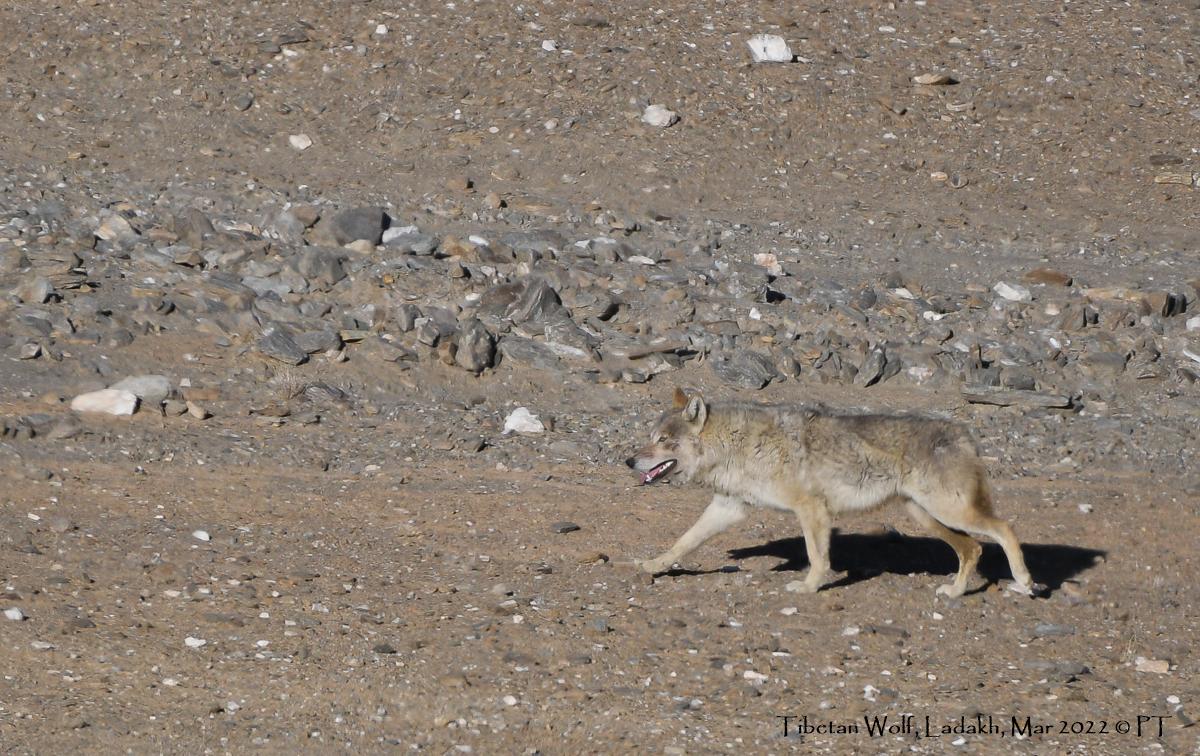
Other mammals we will hope to see include Tibetan Gazelle, Grey Wolf, Tibetan Fox (occasionally), Argali – the largest species of wild sheep in the world, and Kiang (Tibetan Wild Ass), so we can expect to see some fantastic mammals during our time here.
In addition, the area is also home to multiple iconic birds with Tibetan Sandgrouse, Ground Tit (formerly known as Hume’s Groundpecker), Upland Buzzard, Saker Falcon, Tibetan Lark, Blanford’s and Black-winged Snowfinches, Black-headed Mountain Finch and Great Rosefinch all amongst those we hope to see. Indeed, if the Spring is advanced, we may also see Bar-headed Geese or early returning Black-necked Cranes, such as the two we saw on territory in mid-March 2026.
As with our time spent in Hemis National Park, we will make use of expert Ladakhi spotters who know the habits of the animals, and have local contacts, thereby hugely increasing our chances of a successful visit.
We plan to keep our plans flexible and if we have not found all our main targets, we may delay our return to Leh by one day. Two further nights at comfortable homestay/lodges
Day 13: Return to Leh
We plan to leave after breakfast driving slowly back westwards along the spectacular Indus valley. We will make stops as we travel, taking the opportunity to enjoy the scenery and wildlife opportunities and expect to arrive back in Leh in the mid-late afternoon. Night at Leh hotel
Day 14: Leh
A final day in the Leh area that, depending on recent sightings, may involve heading out in follow-up of Snow Leopard, Lynx, or other mammals, plus a final chance to see any birds that we may have missed. Further night at Leh hotel
Day 15: Depart Leh
After breakfast, it is a short transfer to the airport from where it is an approximately 75-minute flight back to Delhi with onward connections to international flights, arriving later the same day.
EXTENSION
Days 15-17
We have three full days of vehicle-based excursions where we plan to focus on looking for Eurasian Lynx and Asiatic (Siberian) Ibex. Whilst there are possibilities of seeing both species on the main tour, the extension is the best bet to find this elusive feline, along with its favoured prey – the Woolly Hare and there are good places to find the Ibex as well.
In addition we will look for any birds or other species we may have missed on the main tour. Both Himalayan and Tibetan Snowcocks can be found in this area providing further opportunities to see these amazing birds and if we hear about any Snow Leopard sightings we may well go and look for these as well. Three nights at Leh hotel
Day 18: Depart Leh
After breakfast, it is a short transfer to the airport from where it is an approximately 75-minute flight back to Delhi with onward connections to international flights, arriving later the same day.
WHAT TO EXPECT
Unparalleled scenery, excellent chances to see Snow Leopard and Pallas’s Cat, as well as a host of other special mammals and great birds.
We stay in a warm and well-appointed hotel in Leh and use comfortable homestays in our quest to see Snow Leopards and Pallas’s Cats staying in what we consider are the best places at the perfect time of year.
Our objective is to maximise on our chances of not only seeing Snow Leopards but also hopefully see them hunting or mating, with both these activities observed on our recent tours. As Snow Leopards are most active in the early morning and late afternoon, staying inside the national park is, therefore, crucial and sets the WildWings tour apart from many of the trips offered by others.
The trip is entirely vehicle based throughout, but for those who wish there will be optional walks of a mile or two most days, although we will generally spend a significant portion of the day sitting and scanning, and enjoying hot food and drink wherever we are. If you wish, however, you can remain at our base and scan from there and await a call on the radio.
We have an experienced support crew and spotters throughout our stay in Hemis National Park, as well as a great cook team. We will enjoy freshly cooked, very lightly spiced, hot meals three times a day, with plenty of variety, as well as tea and snacks mornings and afternoons.
After our stay in Hemis we then head east down the Indus valley where we stay in a warm, clean and comfortable homestay and explore by minibus looking for Pallas’s Cat, Tibetan Gazelle, Argali and Kiang plus yet more fantastic birds.
After the main tour concludes, there is then an optional extension (based at our comfortable hotel in Leh) which provides the opportunity to look for Eurasian Lynx and Asiatic (Siberian) Ibex plus further chances for Snow Leopards and birds such as Himalayan and Tibetan Snowcocks.
ACCOMMODATION
Our hotel in Leh is warm and comfortable, with spacious rooms, ensuite facilities, running hot and cold water, central heating mornings and evenings, electricity and internet. Bottled water, and freshly boiled water is available for drinking, as well as hot tea and coffee, and we will enjoy freshly cooked meals in the hotel dining room. All rooms have a kettle.
The Homestay Guesthouses in Hemis National Park and on the Changthang Plateau are simple, but warm, clean and very comfortable, and we will have our own cook team to provide us three cooked meals a day. Depending upon our success on the Changthang Plateau, and on local information, we may opt to spend one night at a more basic lodge.
PERSONAL PORTER
Nearly all our previous Snow Leopards sightings in Hemis National Park have been within the valley floor region and a mile or two of our base, however, the reduced oxygen at this altitude, means carrying your scope/tripod/camera/daypack will involve more effort than at sea level.
As a result, you have the option to hire a personal local porter, which will make your walking more comfortable and speedier. The porter can carry up to two peoples’ optical equipment, plus spare clothing etc.
Personal porters need to be booked at least one month before the trip. The cost is £295 per porter (2027) and covers their pay, food, lodging and entrance fees in Hemis National Park.
FOOD
In Leh, we eat in the hotel’s restaurant, however, for the rest of the trip, we will have hearty meals which are freshly prepared by our own excellent cook team. Most special diets can be catered for as long as these are requested in advance.
Set meals, with multiple dishes and courses, are served three times a day, featuring Western, Indian, Chinese, Tibetan and Ladakhi dishes, with the latter only very gently spiced. Fresh eggs, chicken, pulses and cheese will form a significant part of our dining, alongside homemade soups, potatoes, fresh vegetables, rice, pasta, freshly baked local breads, local jams and porridge and fresh fruit.
Even though Ladakh is cut off by road for much of the winter, we will have fresh vegetables and fruits, and the supply of these has significantly increased in recent years.
In Hemis National Park, we generally eat breakfast and dinner at our homestay whilst lunch is often a picnic in the field, with hot soup, hot main courses, dessert and tea/coffee, brought to us no matter where we have driven or walked to.
Tea, coffee and snacks are available throughout the day at the hotel, homestay and in Hemis National Park. When we are out in the field, we will be brought hot tea/coffee and snacks mid-morning and again mid-afternoon, delivered to us by our “runners”, who utilise insulated canteens, thermos flasks and the jeep to ensure that we get hot food and drink wherever we are.
WEATHER/CLIMATE
Our trip is timed at the start of Spring and as Ladakh is in the rain shadow of the Himalayas, the climate is typically very dry.
Daytime temperatures will be cool with highs of up to 10C (50F) or more, but feeling much warmer in the sun.
Overnight low temperatures are mostly in the range -15C to -10C (5F to 15F), however, the very dry climate ensures that it is significantly more tolerable than similar temperatures in moister climates such as the UK.
Clear conditions are likely to be interspersed with occasional cloudier days and we may get a light powdery snowfall at some point of around 2-4cm. Given that Ladakh has annual precipitation of only c.10cm of rain equivalent, heavier falls are very unusual but we are likely to be walking on a thin layer of snow at times.
Generally, there is not much of a breeze in Hemis, although a slight breeze is not unusual in the afternoons. On the Changtang Plateau the afternoon breezes are more noticeable.
FITNESS LEVEL
This trip requires the ability to walk short to medium distances on uneven terrain, mainly in river valleys. Walking uphill will be taken much more slowly due to the altitude, but this is not an extreme high-altitude trip.
ALTITUDE
The majority of the tour is between 11,500 to 13,000 feet (3,500-4,000 metres) above sea level, prior to reaching a slightly higher altitude at our homestay lodge on the Changthang Plateau. Most people do not have any significant problem acclimatising, so long as they do virtually no exercise for the first 24 hours after arriving. For this reason, we spend two nights in Leh at the start of the trip.
If you have not travelled to these altitudes before, you may wish to talk to your doctor about whether Acetazolamide (Diamox) may be appropriate or useful for you. If you take it, it is advised to be even more attentive to staying hydrated.
Tour Gallery
View a gallery of images for this tour below, click on an image to view as full size with caption























Ask About This Tour
If you have any questions about this tour, please enter your details here and we will get back to you as soon as possible.
Alternatively, contact us by email or phone. We look forward to hearing from you!
- 0117 965 8333
- [email protected]
Or complete the contact form and we will endeavour to get back to you as soon as possible.
* = required field