Georgia
Birding on the Edge Of Europe
A 12-day small group birdwatching tour to Georgia
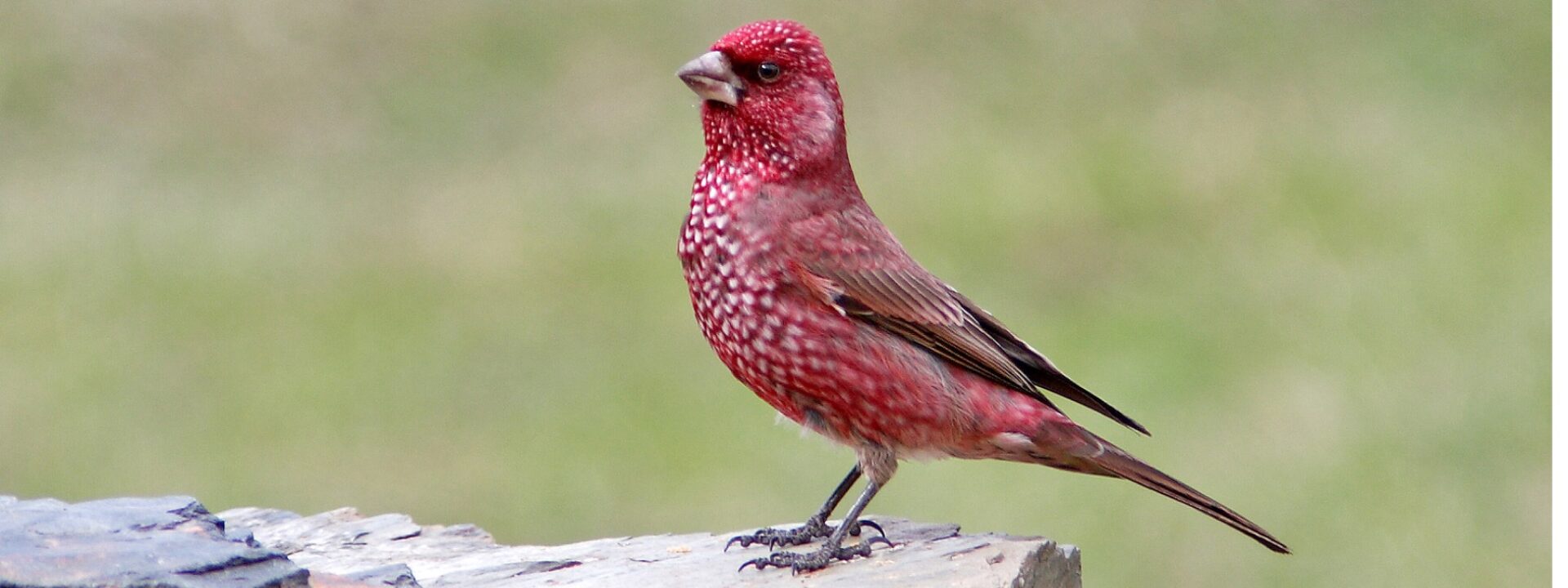
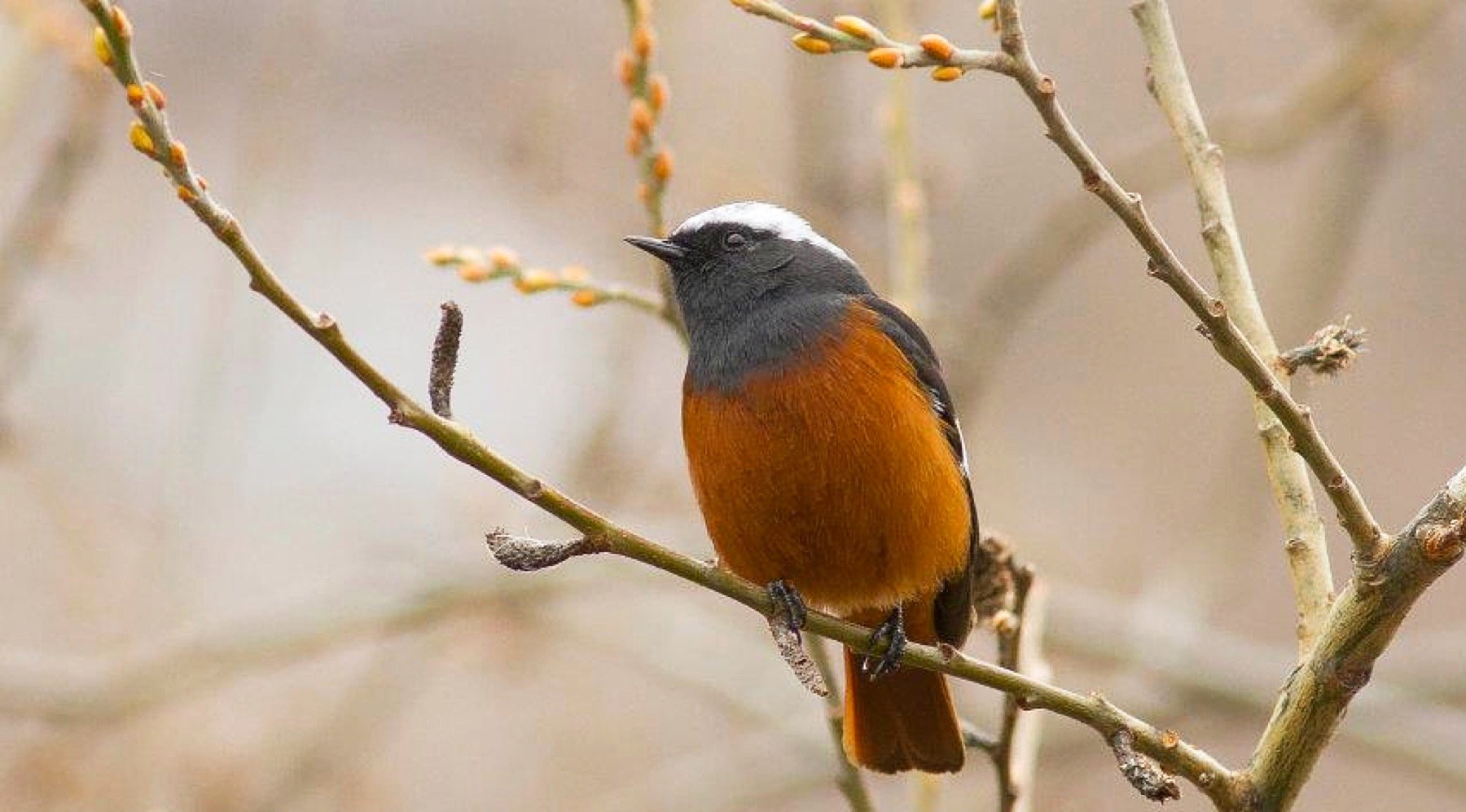
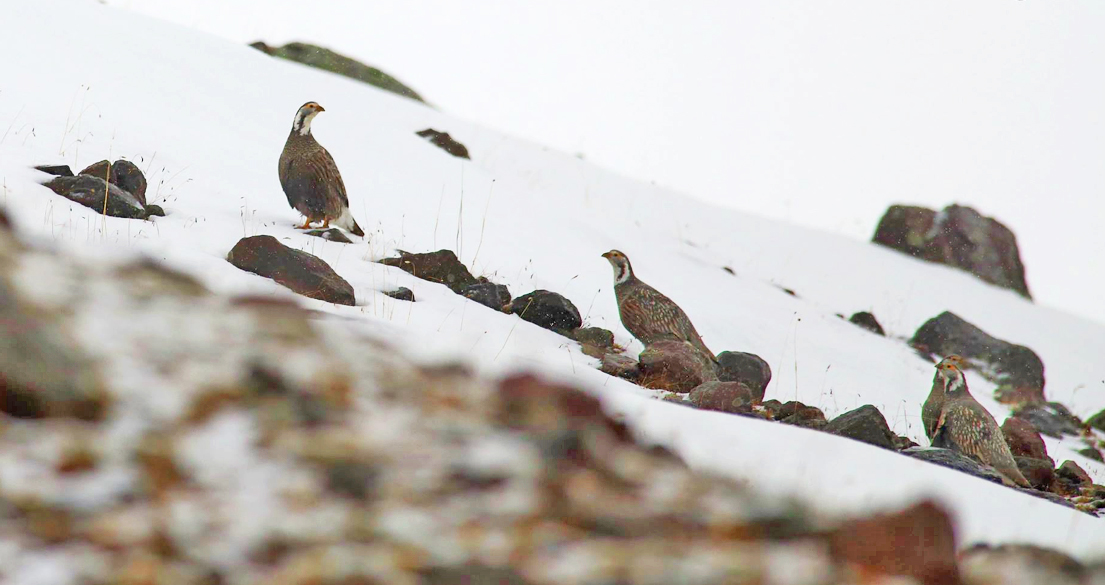
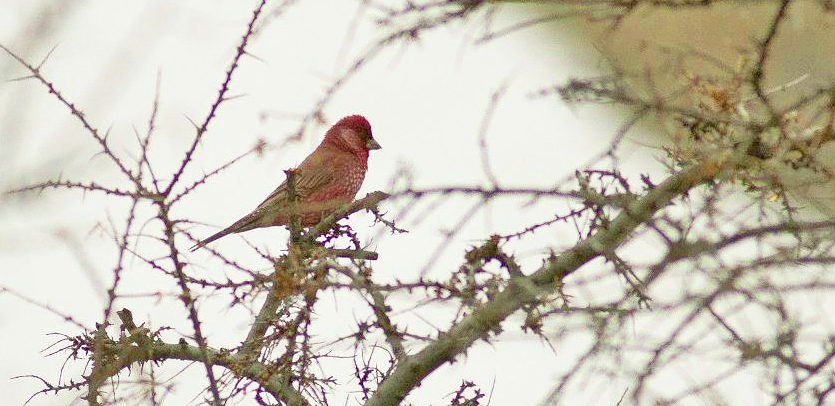
Among European birds, there are a special few that have attained near-mythical status as they only occur at the outermost reaches of the Western Palearctic region. Caucasian Snowcock, Caucasian Grouse, Güldenstädt’s Redstart and Great Rosefinch are all names to conjure with and our Georgia birding tour has chances of all four!
This birdwatching tour which is run in association with our sister brand, Limosa Holidays, is timed to coincide with the best time to look for these specialities plus so much more along the way! Join us as we go birding at the ‘edge of Europe’ and enjoy the spectacularly scenic mountains of the High Caucasus, the rolling Iori plains and some fantastic birds.
Tour Dates & Prices
Mon 3rd May 2027
Fri 14th May 2027
- Available
Tour Cost: 12 Days from £3995 including flights
What's Included?
- WildWings/Limosa Tour Leader (subject to minimum numbers) and expert English-speaking Georgian bird guide
- Eleven nights accommodation at hotels in Georgia
- All main meals
- Minibus transport
- All excursions, local guides, entry fees and permits
- All tour-based tips (local guides, drivers, hotels) and taxes
- WildWings/Limosa checklist of birds
Cost Excludes
Insurance, drinks, airport/in-flight meals and snacks and other items of a personal nature.
Tour Highlights
- Birding at the extreme easternmost ‘edge of Europe’ for sought-after Western Palearctic specialities
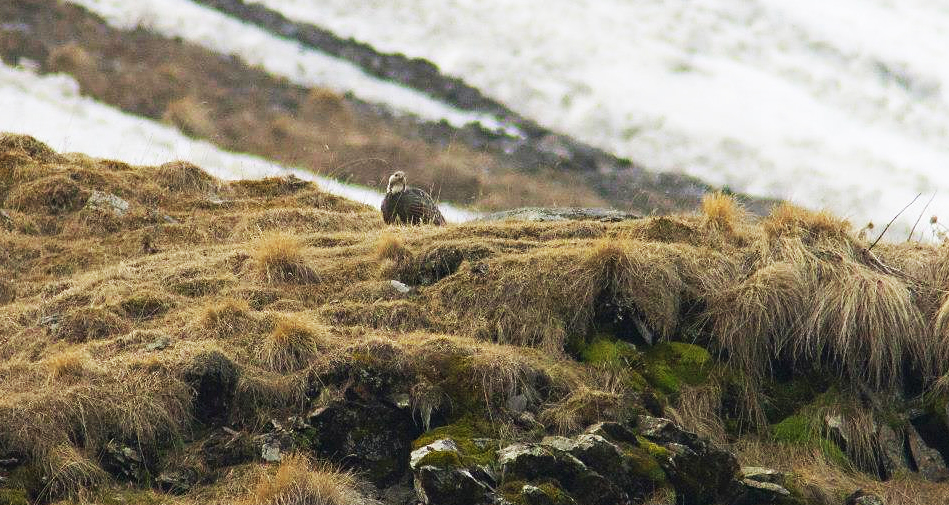
- Look for Caucasian Snowcock, Caucasian Grouse, Güldenstädt’s Redstart and Great Rosefinch in the spectacular High Caucasus Mountains
- Other possibilities in the mountains include Lammergeier, Wallcreeper and Red-fronted Serin
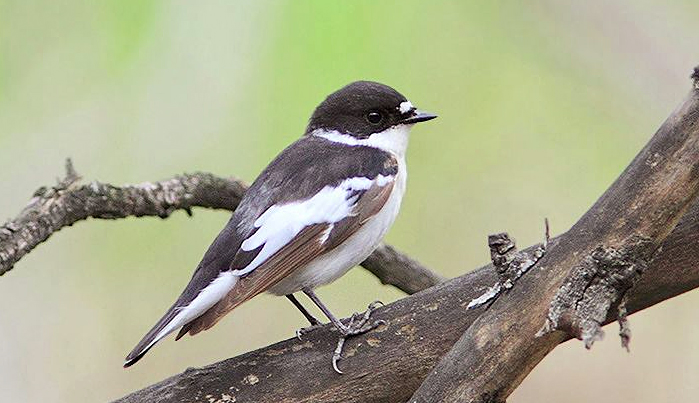
- Further specialities include Mountain Chiffchaff, Ménétries’s, Barred and Green Warbler, Semicollared Flycatcher
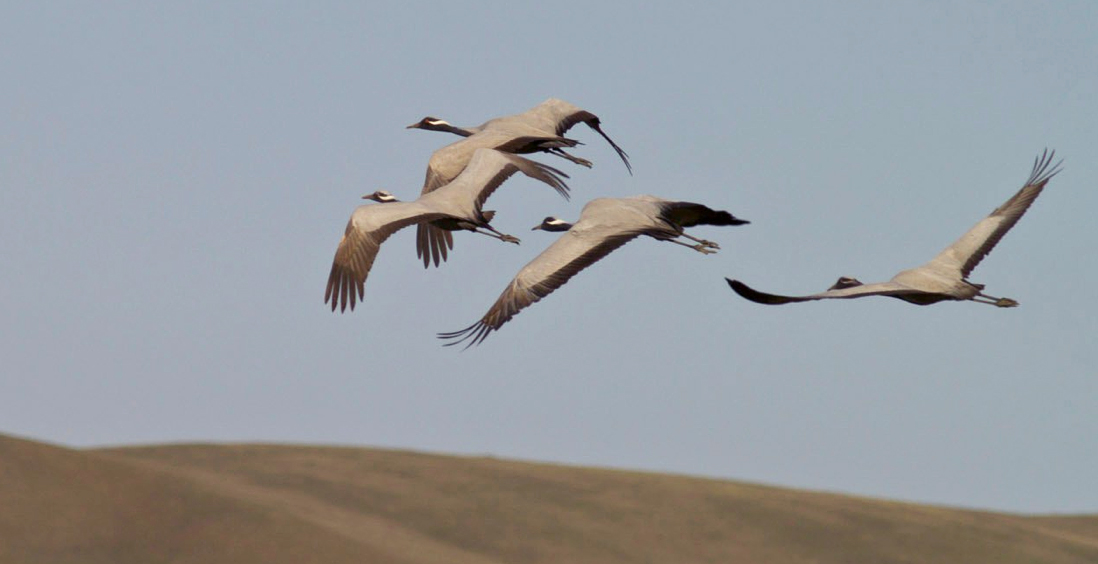
- Explore the steppe for Demoiselle Crane, Isabelline Wheatear, Rosy Starling and Black-headed Bunting
- Small group tour with a maximum of 10 participants
- Expertly led by WildWings/Limosa's Frank Lambert (subject to minimum numbers) and a resident English-speaking Georgian bird guide
Outline Itinerary
-
Fly from the UK to Tbilisi. Night Tbilisi
-
Head north into the Caucasus Mountains for Güldenstädt’s Redstart and Great Rosefinch. Night Stepantsminda
-
Look for Caucasian Snowcock, Caucasian Grouse and other upland specialities in the High Caucasus. Two further nights in Stepantsminda
-
Early morning birding at Stepantsminda, travel east to the Iori Plains. Night Dedoplistskaro
-
Exploring the Iori Uplands for Demoiselle Crane, Ménétries’s Warbler and eastern Mediterranean species. Two further nights in Dedoplistskaro
-
Drive Dedoplistskaro to Tbilisi via Davit Greji with possibilities such as Eastern Imperial Eagle, Chukar and Saker. Night Tbilisi
-
Transfer to Javakheti Plain looking for White-headed Duck, White-tailed and Sociable Lapwings and other specialities. Night Akhalkalaki
-
Explore Javakheti Plain including Lake Khanchali and nearby mountains. Possibilites include Dalmatian Pelican, Terek Sandpiper and Crimson-winged Finch. Second night Akhalkalaki
-
Return to Tbilisi via Vardzia Caves looking for Long-legged Buzzard, Eastern Back-eared Wheatear, Eastern Orphean Warbler, Western Rock Nuthatch and Black-headed Bunting. Night Tbilisi
-
Fly Tbilisi to the UK
Run in association with our sister brand, Limosa Holidays, this exciting destination has much to offer the visiting birds with largely unspoilt landscapes and some amazing bird life.
North of Tbilisi, at the end of the old Russian highway, lie the High Caucasus mountains which straddle the border between Europe and Asia. Set amidst some of the highest peaks on the continent – five of which rise above 5,000m (16,000ft) – lies the town of Stepantsminda, scenically situated below glacier-clad Mount Kazbeg. This town is an excellent base from which to explore the region and to search for four near-mythical birds that occur at the easternmost edge of the continent. Merely mention of their names is enough to get the birding juices flowing: Caucasian Snowcock, Caucasian Grouse, Great Rosefinch and Güldenstädt’s Redstart. Georgia provides the best chance to see all four and this exciting early spring tour amidst the rich montane landscapes of the High Caucasus range is timed to look for them before they follow the retreating snow line higher and deeper into the inaccessible mountains.
From our conveniently located hotel, the hills are only a short distance away and we start early for two of the key targets as it is at this time of day that Caucasian Grouse perform their lek on grassy slopes and Caucasian Snowcocks give their presence away with their haunting, diver-like calls high above. Patches of buckthorn are where we will search for gorgeous crimson male Great Rosefinches and handsome white-capped Güldenstädt’s Redstarts. With time to explore this fascinating mountain region, we have a great opportunity to see all four of these localised specialities against the fantastic backdrop of Mount Kazbek.
Our tour is designed to run at the best time of the year to find the redstart and rosefinch before they return to higher elevations for the summer. Aiming to catch the snowmelt just right, we hope to find other high-altitude species before they too return to the higher mountains.
On rockier pastures from which they pick on seed heads, Red-fronted Serins can be found around the boulders and Mountain Chiffchaffs sing from budding trees. On basalt cliffs, we will look for the unique Wallcreeper as these flutter around like outsize butterflies, whilst Lammergeiers soar high above accompanied by passing raptors.
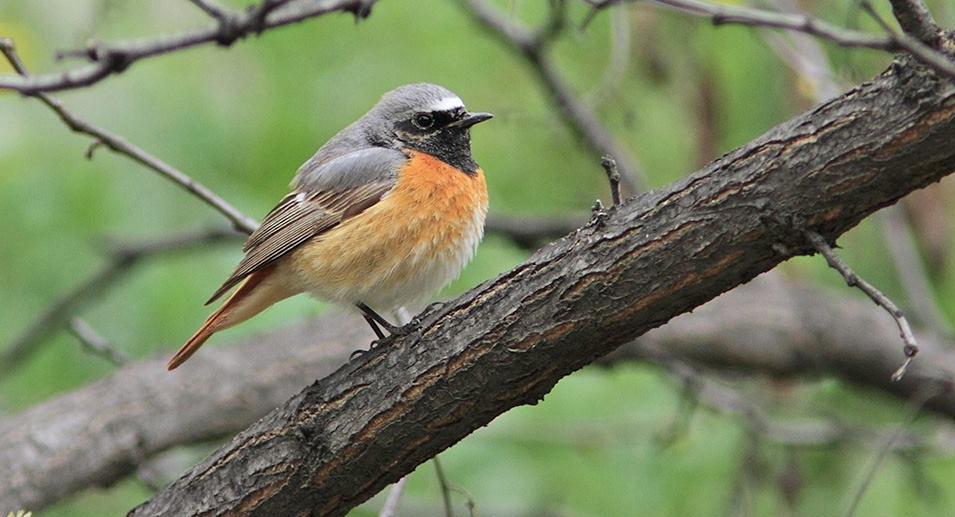
Ring Ouzels of the distinctive white-winged form amicorum and Common Redstarts of the samamisicus race (Ehrenberg’s Redstart) are both extremely attractive and well worth catching up with.
The mountain passes also act as pathways for migrants heading through the Caucasus range and on into Russia and we stand a great chance of finding passerines such as Red-breasted and Semicollared Flycatchers, Yellow Wagtails and Red-throated Pipits as they fly north to breed.
Reluctantly dragging ourselves away from the mountains, we then travel to Dedoplistskaro and a very different environment.
With the snow-capped mountains still visible to the north, the warm, rolling steppe and hills of the Iori Uplands that lie to the east of the capital attract a very different range of birds. European Bee-eaters and Rollers can both be expected but for many birders the priorities here include Ménétries’s and Barred Warblers, both of which can be found singing from the bushes. Black Francolin utter their grating calls and a wealth of wheatears occur, with Isabelline, Pied and Eastern Black-eared to look for along with Eastern Orphean Warblers and Rosy Starlings which should just be arriving to breed.
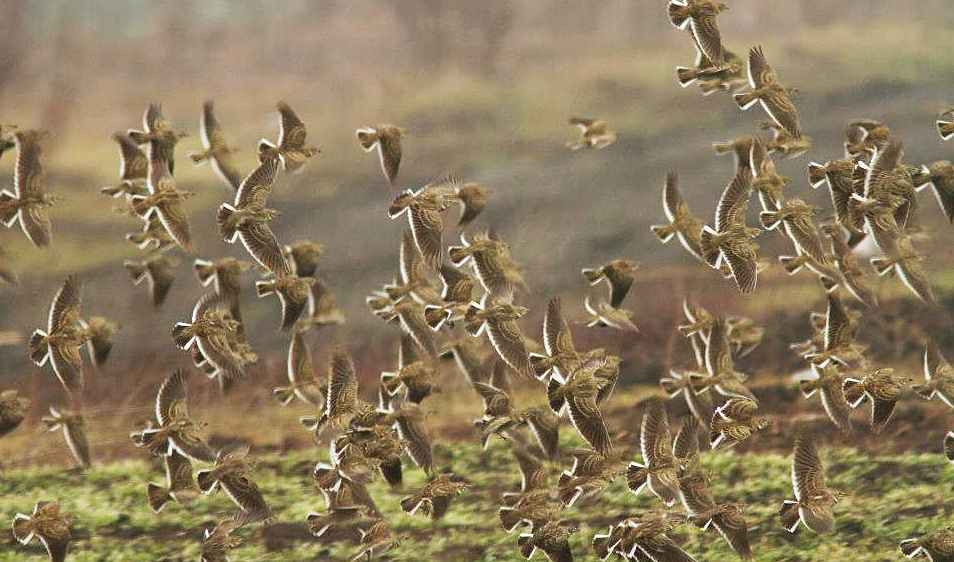
Amidst a landscape inhabited by Golden Jackals and Wolves (although both are only rarely seen), the grassland rings to the spring songs of Calandra, Crested and Greater Short-toed Larks and the simple song phrases of Black-headed Buntings. Montagu’s Harriers are a common sight as they float across the flowering grasslands and Eastern Imperial Eagles will be nesting. Exploring lines of trees and verdant stream beds, we will also hope to come across a surprise migrant or two…
After two full days in this rich area for birds, we will drive to the Javakheti Plains for the final part of our holiday. This mountain grassland in southern Georgia is close to the borders with Armenia and Turkey and the lakes and surrounding areas are home to a great variety of interesting birds. Here, the possibilities include both Dalmatian and Great White Pelicans, an impressive variety of egrets and herons and both Marsh and Terek Sandpipers. We will also hope to find some of the rarer species that pass through this area with chances for White-headed Duck and White-tailed and Sociable Lapwings.
We will also hope to find Crimson-winged Finch in the nearby mountains and as we reluctantly return to Tbilisi, our route takes us through areas where we will look for Egyptian Vulture, Long-legged Buzzard, Levant Sparrowhawk, Eastern Black-eared Wheatear and Black-headed Bunting.
Our tour to ‘the edge of Europe’ will be led by WildWings/Limosa guide Frank Lambert (subject to minimum numbers) and a highly experienced English-speaking Georgian bird guide so why not join us for the adventure and some great birds?
DAY 1: FLY UK TO TIBILISI
Our spring birdwatching tour to Georgia tour starts with a flight to Tbilisi where we will be met by our local guide and our adventure begins! Night Tbilisi
DAY 2: TRANSFER TO THE CAUCASUS MOUNTAINS
We will leave Tbilisi after breakfast and head north towards the magnificent mountains of the Greater Caucasus that loom ever larger in our view as we get closer. We will stop along the way to enjoy anything of interest and as we begin to climb higher, we will pause at Ananuri, where migrant birds rest in the foothills which are cloaked in oak and beech forest. In fine spring weather, Green Warblers and Red-breasted and Semicollared Flycatchers could be present and around a nearby monastery, migrant Ortolan Buntings often gather.
Our destination is the upland town of Stepantsminda, nestling in the Tergi Valley and dominated by the snow-capped mountains of the High Caucasus – notably that of Mount Kazbeg, which at just over 5,000m (16,400ft) is one of the highest peaks in Europe.
After checking in at our comfortable hotel, we will have our first chance to explore this interesting town. A wealth of birds await as we set out for a local patch of budding buckthorn, hoping to pick up our first Güldenstädt’s Redstart and Great Rosefinch. High above, we may well see our first birds of prey spiralling over the mountains. Night Stepantsminda
DAYS 3 – 4: STEPANTSMINDA AND THE CAUCASUS MOUNTAINS
Rising early, we have our first chance before breakfast for two of the ‘star’ birds of the tour: Caucasian Grouse and Caucasian Snowcock. It is important to get out close to dawn, as these shy grouse are most active during the first hours of daylight and soon disappear as the sun rises.
The snowcocks are invariably high above on the grassy slopes and we should hear their eerie, diver-like calls echoing about the valley. Caucasian Grouse, a lyre-tailed and all-black relative of the Black Grouse, strut about on the lower slopes and are generally easier to find. If we didn’t manage to spot one yesterday, we also have a further opportunity to look for Great Rosefinch – the gorgeous males’ deep crimson bodies flecked with white.
After breakfast, a stroll around town may reward us with more good species with the possibilities including a variety of migrants or ‘seconds’ of Great Rosefinch and the snow-capped Güldenstädt’s Redstart. This region is the only location within the Western Palearctic that offers a chance of seeing these birds, so we may spend some time looking for them.
With Stepantsminda as our base for three nights, we can also explore the spectacular and winding roads that lead to the higher passes.
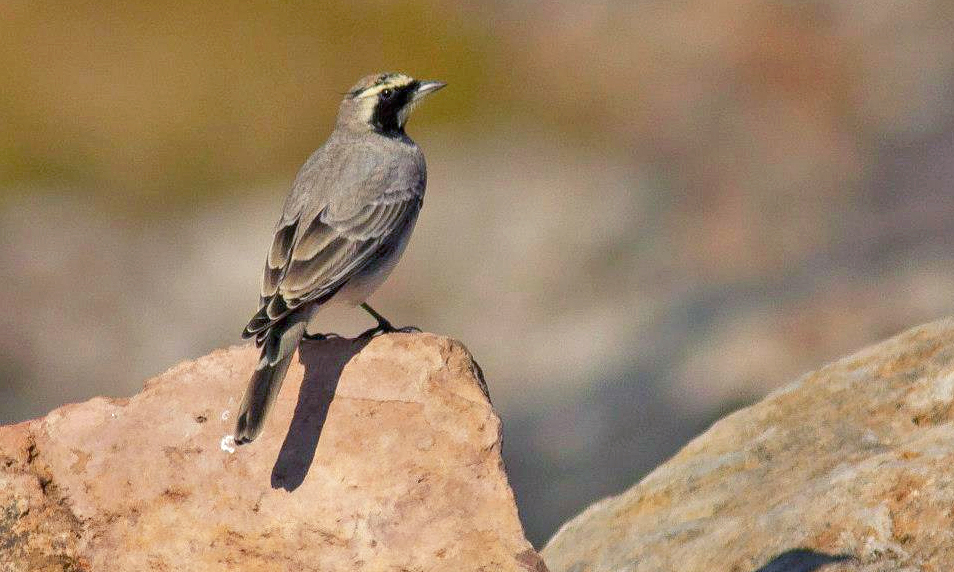
South at the Truso Valley, we should encounter a number of mountain birds, with tame flocks of Twite (of the race brevirostris), Shore Lark (race penicillata) and White-winged Snowfinches (here of the paler race alpicola) feeding beside the road and often giving excellent photographic opportunities.
As we scan the slopes, we should find Golden Eagle, Griffon Vulture and Lammergeier above the hill tops. Small parties of stunning Red-fronted Serins can be found amongst the boulders and crimson-winged Wallcreepers flutter about the sheer rock faces, while Red-billed and Alpine Choughs wheel above. ‘White-winged’ Ring Ouzels of the amicorum race are a sight to behold and other ‘montane specials’ include Alpine Accentor, ‘Caucasian’ Water Pipit (race coutellii), Northern Wheatear and Black Redstart.
If conditions are right, this region is a flyway for raptors heading north into the vastness of Russia. Northern Goshawk and Steppe Buzzard, plus Steppe Eagle, Montagu’s and Pallid Harriers, and the season’s first Red-footed Falcons could well be passing through the valleys at this time. Ortolan Buntings, Bluethroats and Barred Warblers can also be seen, while various races of Yellow Wagtails and Arctic-bound Red-throated Pipits feed in grassy fields. Mountain Chiffchaff is common here and often calls from the birches about the hotel and we will take our time exploring the small copses, where we hope to see Semicollared and Red-breasted Flycatchers.
There are a number of interesting mammals in the region such as East Caucasian Taur and Chamois, and if we are incredibly fortunate, Eurasian Wolf and Brown Bear are very occasionally found up here. Two further nights Stepantsminda
DAY 5: STEPANTSMINDA TO DEDOPLISTSKARO
This morning we will make the most of our time in the mountains and get out early for one final chance to enjoy the snowcock or grouse.
After breakfast, we may check once more for migrants or try for Alpine Accentor or White-winged Snowfinch as we head over Jvari Pass or at the peace monument at Gudauri.
We may break for coffee or lunch near Ananuri, where the fortress and surrounding trees can hold smart, white-winged samamisicus Common Redstarts, often known as ‘Ehrenburg’s Redstart’, and a potential split. Semicollared Flycatchers, Red-backed Shrikes, Barred Warblers and Ortolan Buntings are among other possible species to be found here in spring.
To the northeast of Tbilisi lies a large reservoir (known locally as the ‘Tbilisi Sea’) where non-breeding Armenian Gulls over-summer. We may drop by to look for them and hopefully also find migrant terns such as Gull-billed or White-winged feeding over the lake.
Continuing eastwards, the landscape changes as we enter a region of open and richly coloured rolling fields, with lines of vines amidst blood-red poppies. The birdlife changes too, and we should soon begin to see Long-legged Buzzards, Nightingales and hundreds of Corn Buntings singing their distinctive jangling song.
Arriving at Dedoplistskaro in the late afternoon, we may have time to explore the area around the hotel which will be our home for three nights. Night Dedoplistskaro
DAYS 6 – 7: IORI UPLANDS AND CHACHUNA
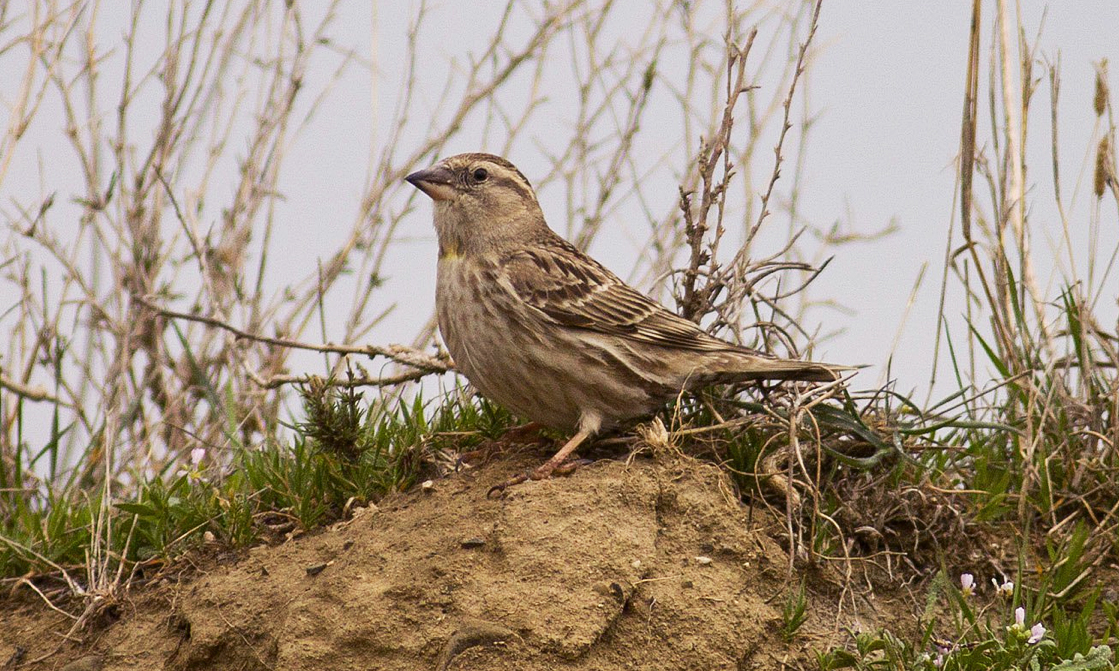
The Iori Uplands are a line of hills set amidst Georgia’s rolling grass plains and incised by several gorges. Towns and hotels are few and far between in this far-flung, lightly populated corner of Europe, but at Depoplistskaro we are well placed to explore this tucked away land. Birds typical of this region include Green and Barred Warblers, Golden Oriole, Hoopoe, Woodlark, Red-backed Shrike, Nightingale and Rock Sparrow.
At a nearby lake birds such as Lesser Spotted Eagle and Black Vulture can usually be found and sometimes, the water’s edge is home to Black-winged Stilts and Ruddy Shelducks, whilst Bee-eaters pass by and Rollers perch on isolated trees. Yet more Corn Buntings sing from convenient perches and Quails call (invariably unseen!) from the fields.
A little to the north lies Eagle Gorge Natural Monument where Egyptian Vulture and Black Stork may be breeding. A late afternoon walk here could produce Booted and Lesser Spotted Eagles, or maybe even an Eastern Imperial Eagle. Alpine Swifts fly over the limestone crags and this area also harbours some superb wildflowers and a few early butterflies.
We also plan to make a day trip to the Chachuna Managed Reserve. The open steppe along the way can produce many great birds including a wide variety of larks such as Calandra, Greater Short-toed and Turkestan (Lesser) Short-toed. White-throated Robins, Hoopoes and elegant Demoiselle Cranes can be found amidst the poppy studded hillsides, where Eastern Imperial Eagles breed and we also hope to find Rock Sparrow. As the habitat becomes drier, Isabelline Wheatears and Woodchat Shrikes become increasingly common, with the former already feeding well-grown young.
At the Dali Reservoir, specialities such as Black Francolin, Chukar, Ménétries’s Warbler and Eastern Orphean Warbler could well be found in the scrub below the dam. Penduline Tits call from the reeds, Ruddy Shelduck can be found at the water’s edge and the trees may reveal a Green Woodpecker looking somewhat incongruous out here on the steppe! A small colony of Lesser Kestrels often occurs about an old dam building, usually giving fine views.
All the while, Egyptian, Black and Griffon Vultures soar overhead and the noisy flocks of Rosy Starlings – newly arrived from their winter quarters in India – are a joy to watch as they chase after grasshoppers or sing from bushes. Two further nights Dedoplistskaro
DAY 8: RETURN TO TBILISI VIA DAVID GAREJI
With the whole day to travel back west to Tbilisi, we will take our time today, perhaps visiting a breeding spot for Semicollared Flycatchers near Kakheti or investigating the shores of Kopaditze Lake before diverting south to the monastery at David Gareja which is another superb area of open steppe and hillside birding, close to the border with Azerbaijan.
Raptors often drift above the open landscape with the possibilities including Saker Falcon and Pallid Harrier. This will also probably be our last opportunity to spot migrating Demoiselle Cranes which pause here on their long journey north, before crossing over the high mountains.
The scrubby, rocky slopes beside the monastery at David Gareja could well provide us with our best chance of finding Pied, Finsch’s and Eastern Black-eared Wheatears, while Ortolan Buntings sing from the bushes. Blue Rock Thrushes can be found here too, and migrants such as Eastern Orphean Warbler and Lesser Grey Shrike sing as Bee-eaters pass over the fascinating rock formations.
As we arrive back in Tbilisi, we will take our evening meal at a typical Georgian restaurant, where we can sample some local dishes and also enjoy a glass of one (or more!) of the fine wines for which the country is rightly proud. Night Tbilisi
DAY 9: TBILISI TO JAVAKHETI PLAIN
We will drive for approximately 250 kms to the southwest of Tbilisi to the small town of Akhalkalaki which is located on the Javakheti Plain. We plan to make strategic stops as we travel and species we could see include Lesser Grey Shrike, Crag Martin, Black-headed Bunting, Ortolan and Rosy Starling.
The plain itself is an area of mountain grassland in southern Georgia not far from the border with Armenia and Turkey and during our time in the area, we will explore grasslands, lakes, marshes and mountains.
The lakes provide the opportunity to see a good variety of waterfowl with the headline possibility being White-headed Duck, however, other waterbirds include Dalmatian and Great White Pelicans, Squacco Heron, Ruddy Shelduck and Ferruginous Duck. Night Akhalkalaki
DAY 10: JAVAKHETI PLAIN
We are likely to start the day with a visit to Lake Khanchali which can be rich in birds with both pelican species, Glossy Ibis, Great Egret and Squacco Heron amongst the species we could find around the water’s edge. A good selection of waders, gulls and terns can also be expected with Marsh and Terek Sandpipers, Pallas’s (Great Black-headed) Gull and White-winged Tern amongst the possibilities. With migration underway, there is also a chance for something special and both White-tailed and Sociable Lapwings are possible.
The surrounding fields can hold Corncrake, Montagu’s Harrier and a wide selection of passerines and we may then venture onto the extinct volcanic mountains of Javakheti where we hope to find Crimson-winged Finch. There is also a chance for Radde’s Accentor here too, although this species is always tough to find. Second night Akhalkalaki
DAY 11: JAVAKHETI PLAIN TO TBILISI
We plan to return to Tbilisi via a different route which will allow time to explore the areas around the famous Vardzia cave monastery. Construction of this amazing complex took place mainly in the second half of the twelfth century and the caves stretch along the cliff for 500m with nineteen separate tiers.
The monastery was once an important cultural centre and the surrounding area is rich in birds of the east Mediterranean region. There are invariably good numbers of vultures with Griffon, Egyptian and Lammergeier all possible along with birds of prey such as Golden Eagle, Short-toed Snake Eagle, Long-legged Buzzard and Levant Sparrowhawk.
Other species we could see include Western Rock Nuthatch, Crag Martin, Eastern Black-eared Wheatear, Blue Rock Thrush, Eastern Orphean Warbler, Lesser Grey Shrike, Rosy Starling, Rock Sparrow and Black-headed Bunting giving us the possibility to finish our birding in Georgia with some fantastic species. Night Tbilisi
DAY 12: FLY TBILISI TO UK
We depart Tbilisi in the morning for our flight back to London, where our spring birdwatching tour to Georgia concludes.
WHAT TO EXPECT
Run in association with our sister brand Limosa Holidays, our tour to Georgia and the High Caucasus is timed to start when the mountains are accessible but there is still a good chance of lying snow which means the high mountain specialities are at lower elevations allowing us to find them! Although we have chosen the optimum period to visit, if the weather has been unseasonably warm, please note that Great Rosefinch and Güldenstädt’s Redstart can head higher into the mountains early and so can occasionally be missed.
Birding in the High Caucasus Mountains will require some physical effort, so a reasonable degree of fitness is required for this tour. We will be spending most of our time here at altitudes of around 1,900-2,200m (6,200-7,200ft), although depending on snow conditions at the time of our visit, we may reach 2,500-3,000m (8,200-9,800ft).
We shall be birding at lower elevations, around 300-800m (1,000-2,600ft), in the hills and steppe during the second part of the holiday and the weather should be warm to hot.
We shall naturally want to make the most of our days at the peak of early morning bird activity, so we will be starting early each day (around 6.00am) with optional early birding, usually returning for breakfast.
We will experience a difference in climate. In the high mountains, the weather is usually cold-cool and changeable, and with the winter snows beginning to melt. Daytime temperatures will typically vary from 5-15°C (41-59F), but drop quickly at night.
The southern steppes average rather warmer, with daytime temperatures typically in the range of 13-26°C (55-79F) and periods of sunny skies and more overcast or rainy conditions and it can feel cool, especially at night.
There is a high chance of some precipitation on this tour and whilst this is most likely to fall as rain, snow is still possible in the mountains.
BIRDS
160-190 species
MAMMALS
5-10 species
ACCOMMODATION
Eleven nights accommodation in Georgia subject to flight times. We stay in a modern hotel at Tbilisi and in smaller, more simple yet comfortable hotels elsewhere.
MEALS
All main meals are included in the tour price, commencing with dinner on arrival in Georgia on the evening of Day 1 and concluding with breakfast in Tbilisi on Day 12.
Most lunches will be sit-down meals at a local restaurant, with some packed lunches. Continental-style breakfasts. Evening meals at the hotels tend to be simple but filling.
WALKING
Easy to moderate walking on this tour. Some uphill walking is inevitable in the mountains, although precisely what we do and where we go is dependent upon weather conditions at the time as well as the snowline.
GROUND TRANSPORT
Minibus with local driver.
Tour Gallery
View a gallery of images for this tour below, click on an image to view as full size with caption
Ask About This Tour
If you have any questions about this tour, please enter your details here and we will get back to you as soon as possible.
Alternatively, contact us by email or phone. We look forward to hearing from you!
- 0117 965 8333
- [email protected]
Or complete the contact form and we will endeavour to get back to you as soon as possible.
* = required field