China
Snow Leopards, Pallas's Cats and Chinese Red Pandas "in comfort"
Snow Leopards and other mammals of Sichuan and the Tibetan Plateau of Qinghai
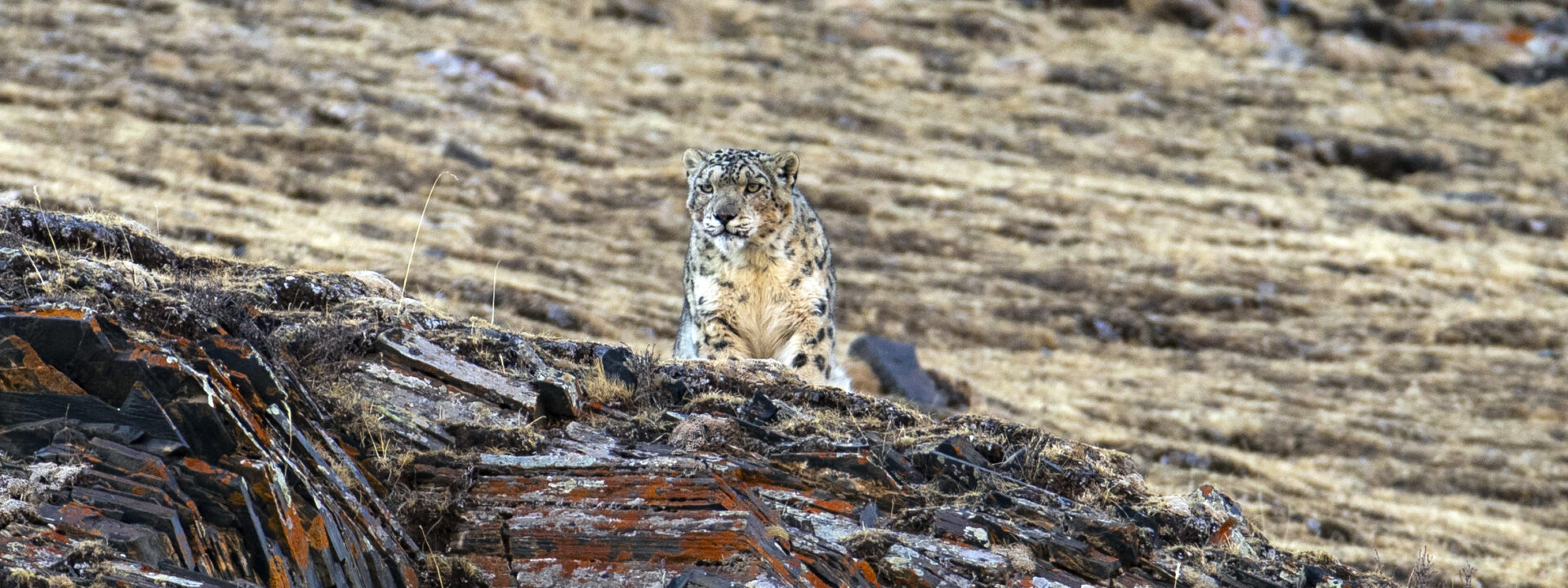
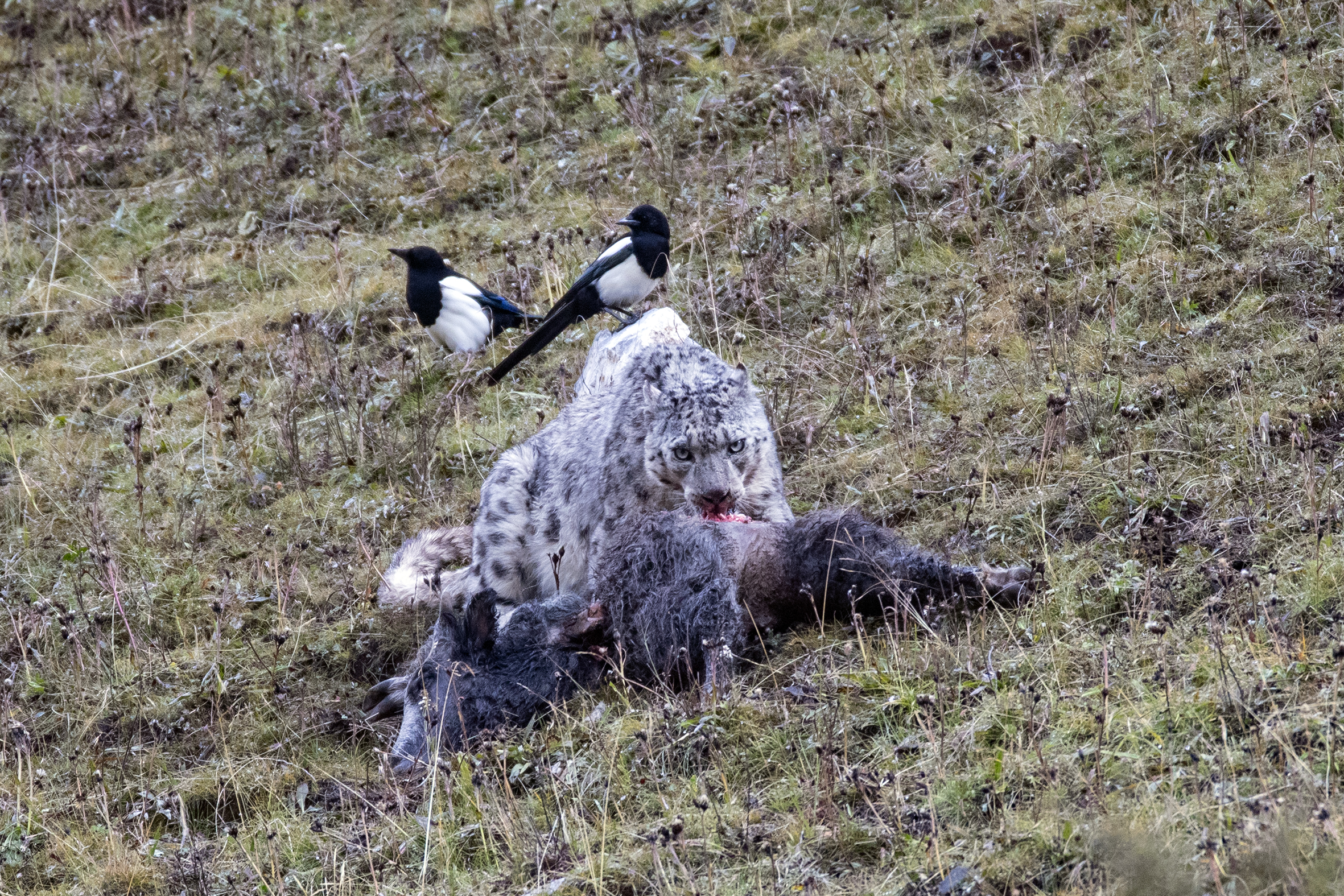
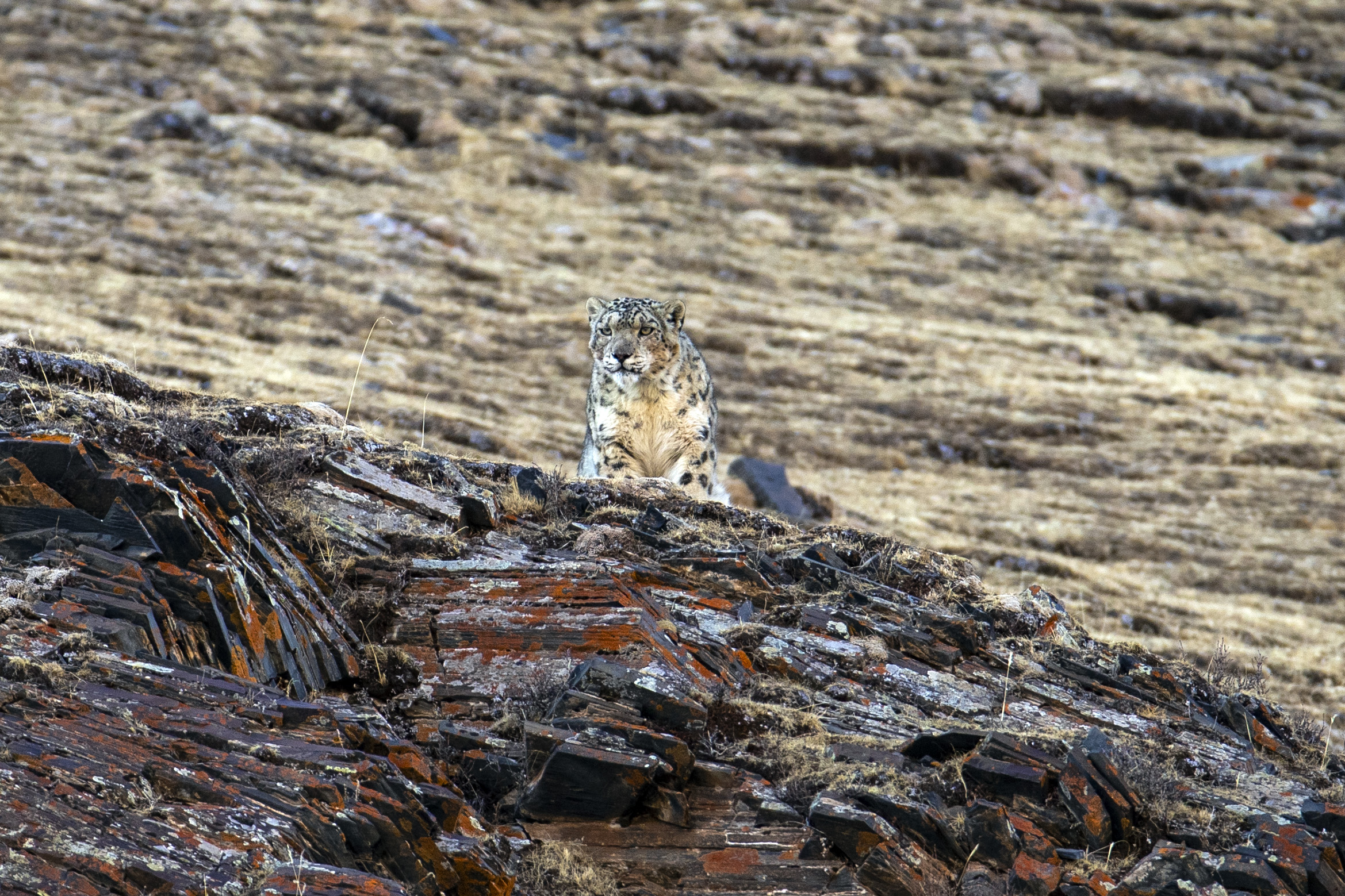
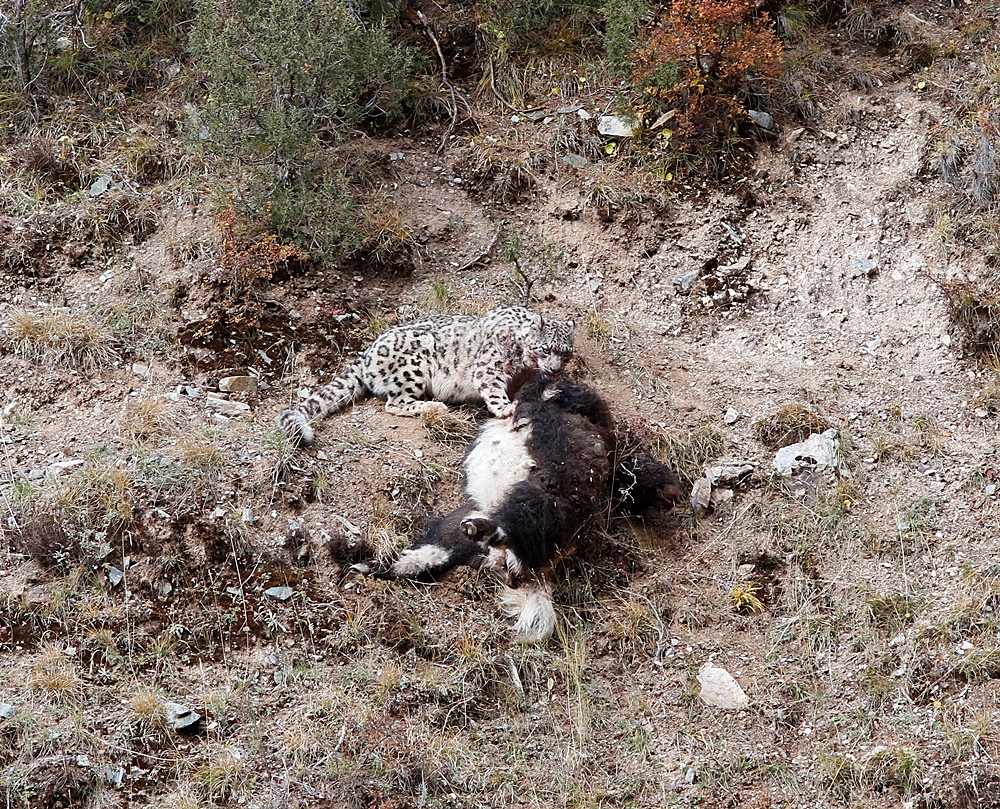
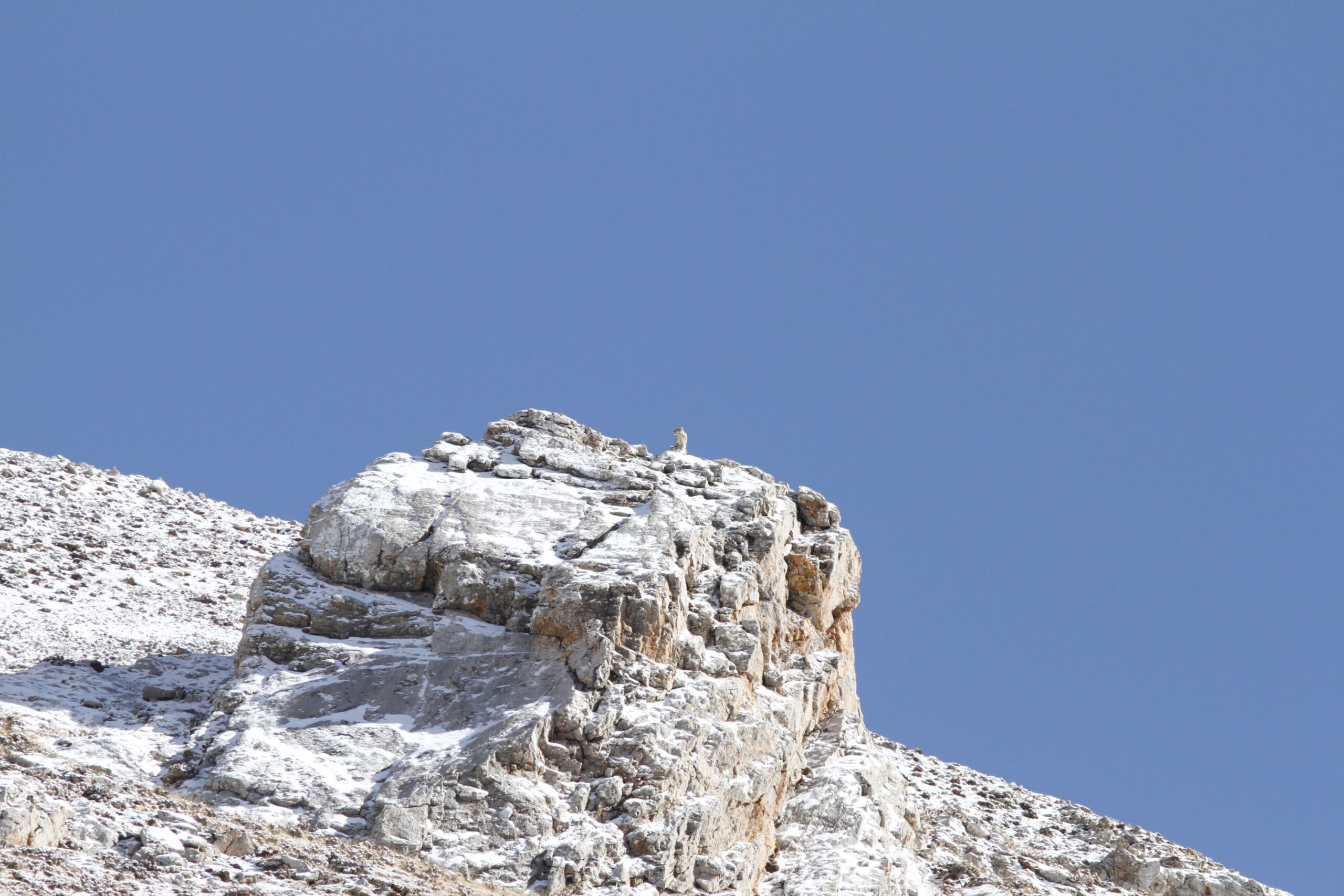
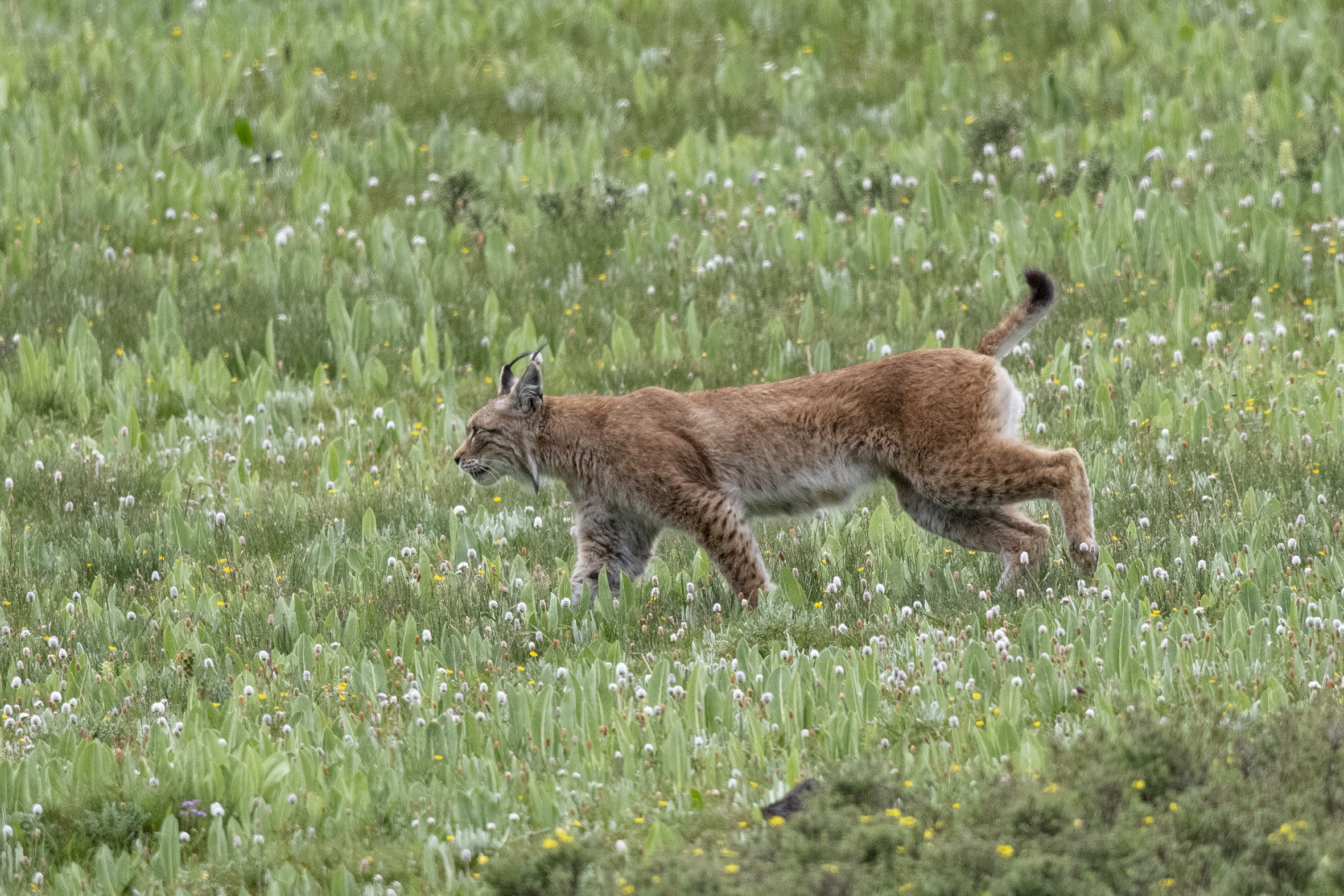
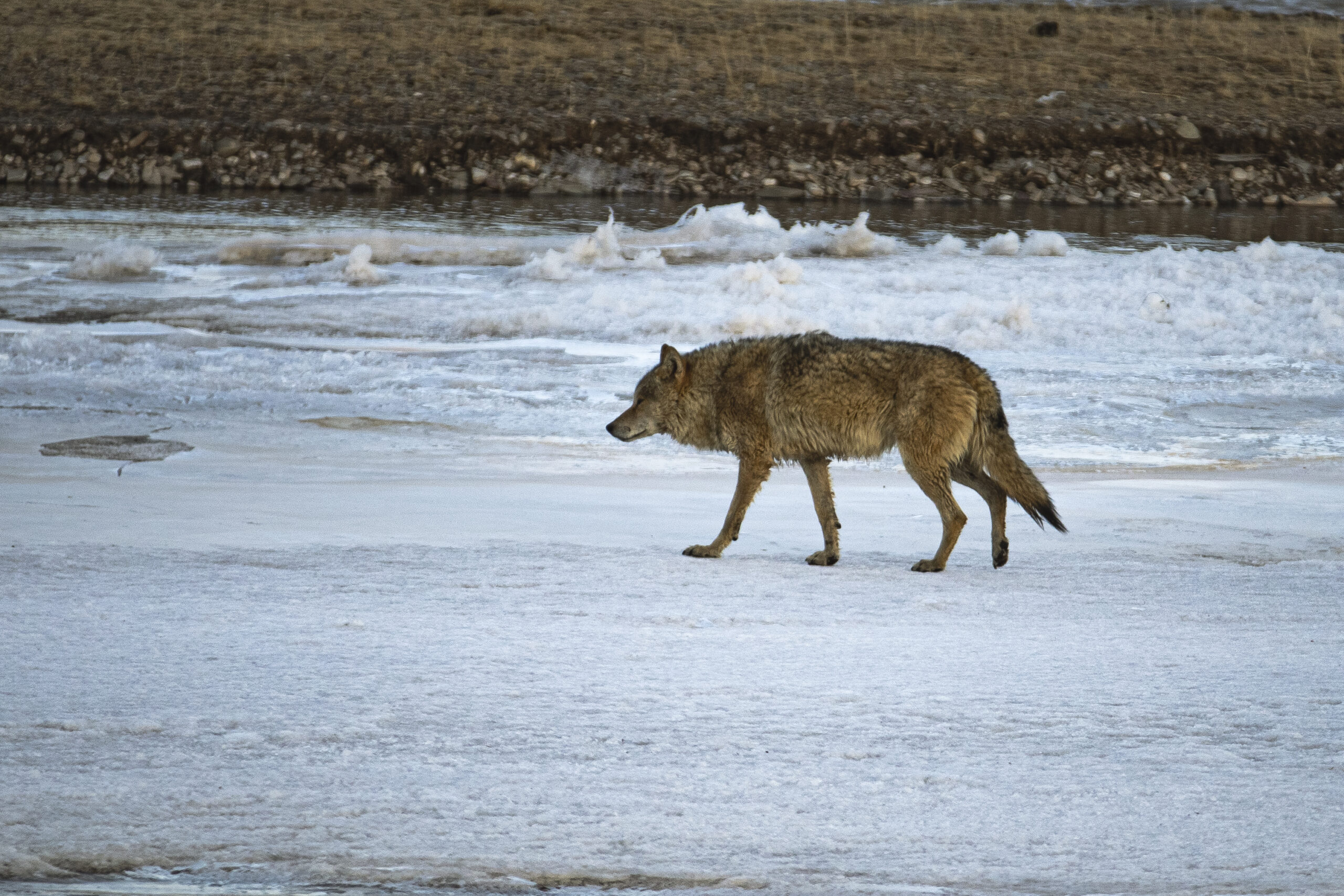
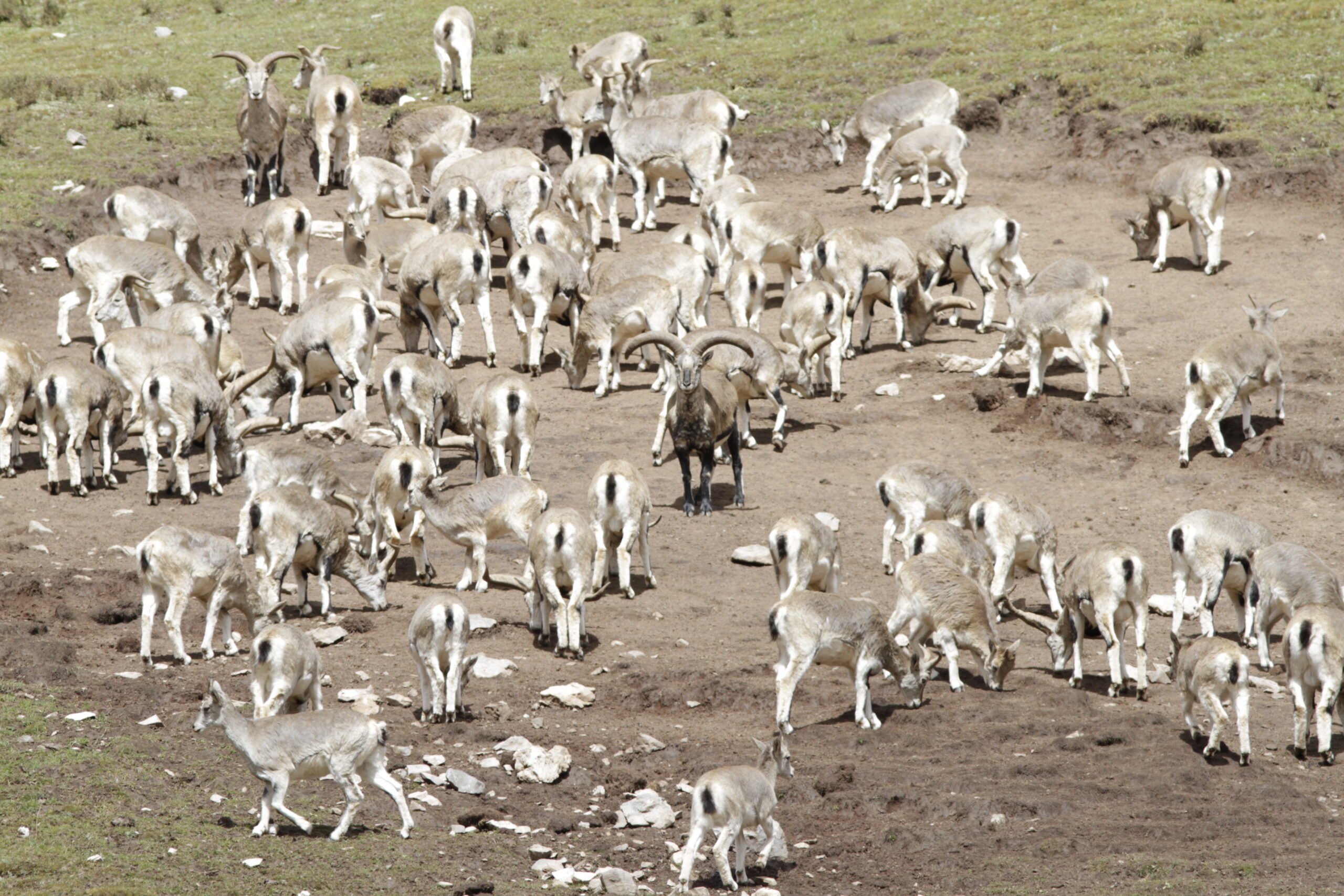
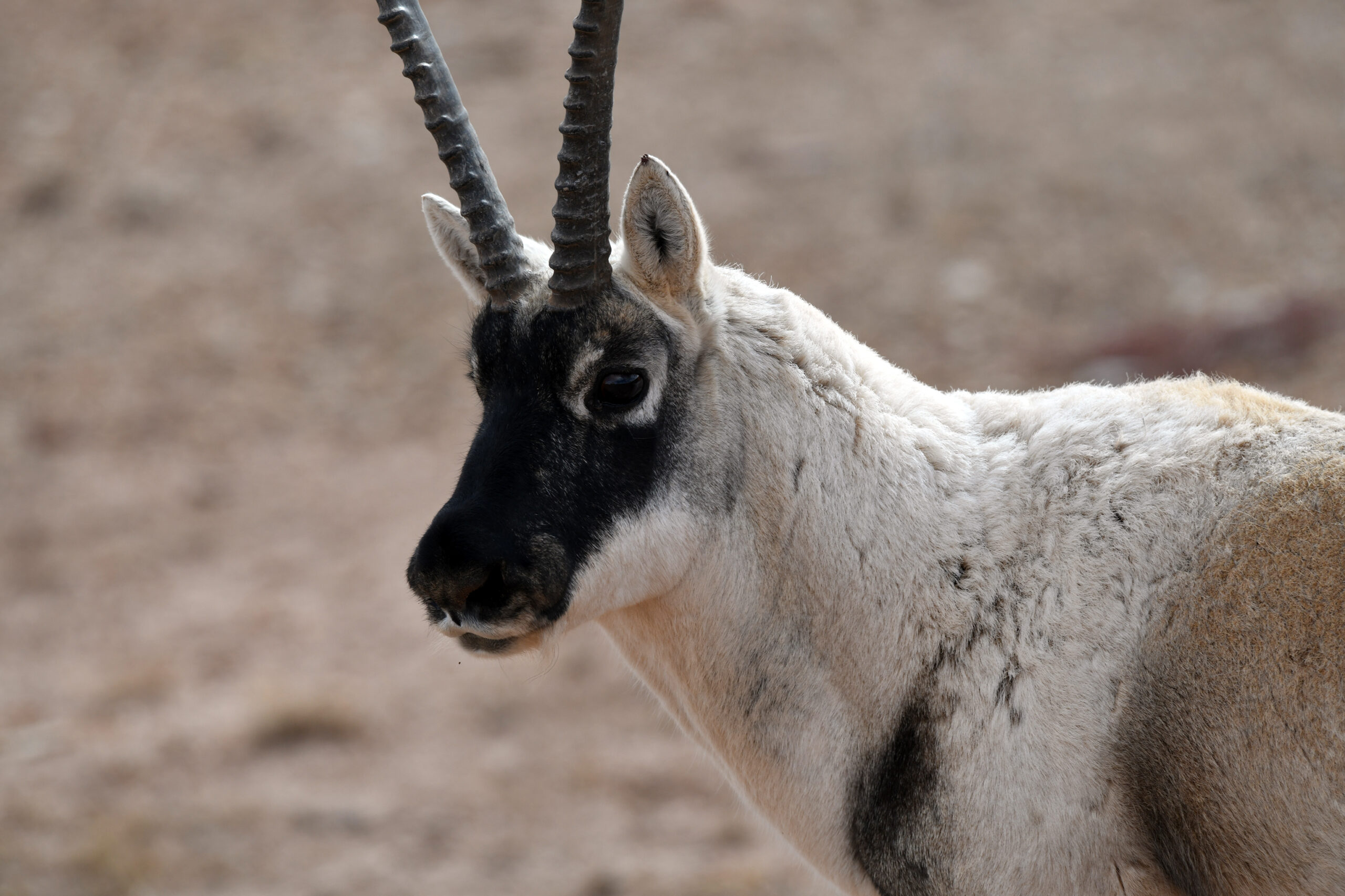
This exciting trip to Sichuan and Qinghai in China offers the chance to look for a spectacular range of iconic species and as well as great opportunities for Snow Leopard, there is a fantastic supporting cast of other mammals including Chinese Red Panda, Eurasian Lynx, Pallas’s Cat, Tibetan Wolf,Przewalski’s Gazelle, Chiru (Tibetan Antelope), Kiang, Blue Sheep, Argali, Wild Yak and Plateau Pika.
Beginning at Chengdu, we start by visiting Labahe where Chinese Red Panda is our main target, before gradually climbing up onto the Tibetan Plateau where we hope to see an impressive selection of predators and their prey.
We have four full days to explore the Gouli Valley, the new “go-to” site for Snow Leopards in China, where there are also excellent chances for many of the species listed above.
Throughout our holiday, we can expect to see an impressive range of birds including everything from range-restricted endemics such as Przevalski’s Redstart and Przevalski’s Partridge to Tibetan Sandgrouse, Ground Tit and Tibetan Lark.
This holiday offers the opportunity to explore a remote and rarely visited corner of China but by staying in “western style” hotels throughout the tour, it truly is “in comfort”.
Tour Dates & Prices
Sun 11th April 2027
Sun 25th April 2027
- Guaranteed Departure
Sat 11th September 2027
Sat 25th September 2027
- Guaranteed Departure
Tour Cost: 15 Days from £5795 excluding flights
What's Included?
- Led by Sid Francis, WildWings China-based wildlife guide
- 13 nights accommodation in comfortable hotels
- All main meals and drinking water
- All excursion, entry fees and permits
- WildWings checklist of mammals and birds
Cost Excludes
International and internal flights, visa costs, insurance, drinks, airport meals/snacks and other items of a personal nature.
Tour Cost: 15 Days from £5795 excluding flights
What's Included?
- Led by Sid Francis, WildWings China-based wildlife guide
- 13 nights accommodation in comfortable hotels
- All main meals and drinking water
- All excursion, entry fees and permits
- WildWings checklist of mammals and birds
Cost Excludes
International and internal flights, visa costs, insurance, drinks, airport meals/snacks and other items of a personal nature.
Tour Highlights
- A hotel-based trip in search of Snow Leopard, Pallas's Cat, Chinese Red Panda and other mammals in Sichuan and on the Tibetan Plateau of Qinghai.
- A trip showcasing the Tibetan Plateau’s fantastic variety of animals and birds, in one of the world’s true wildernesses and most remote destinations.
- Comfortable hotel accommodation throughout with no camping or homestay accommodation.
- Four days specifically allocated to vehicle-based searching for Snow Leopards in the Gouli Valley, China's new 'go-to' site for this enigmatic species.
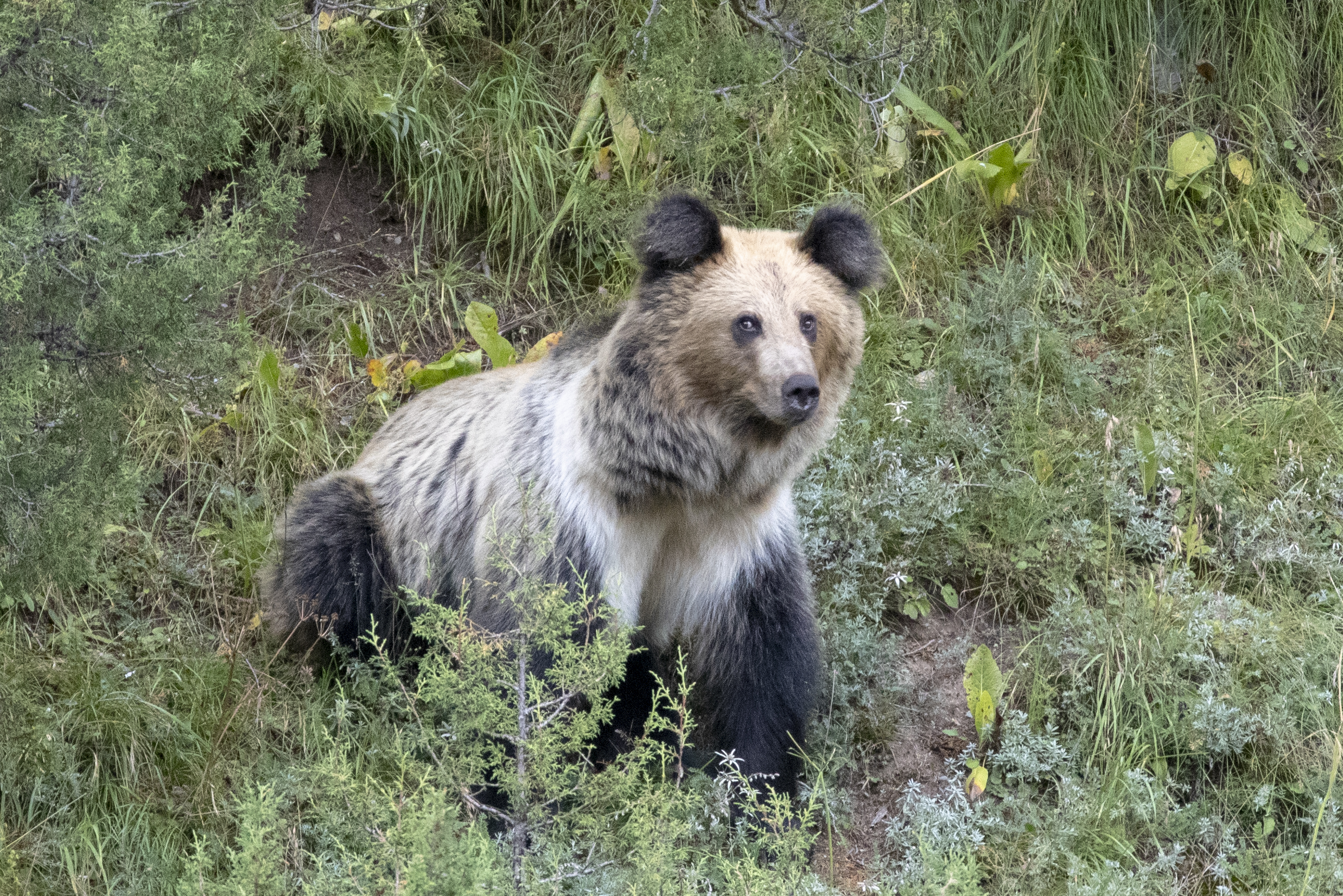
- A host of other sought-after quality mammals are possible including Eurasian Lynx, Tibetan Blue (Brown) Bear, Wild Yak, Chiru (Tibetan Antelope) and Tibetan Fox
- An impressive range of birds to look for including Lady Amherst’s Pheasant, Temminck’s Tragopan, Black-necked Crane, Ibisbill, Tibetan Sandgrouse and the elusive Tibetan Bunting.
- Great photographic opportunities – not only wildlife but also the scenic grandeur of the Tibetan landscapes and culture.
Outline Itinerary
-
Depart UK for Chengdu
-
Arrive Chengdu. Transfer to Labahe Forest Park. Night Labahe
-
Full day at Labahe Forest Park. Second night Labahe
-
Transfer to the Tibetan town of Luhou. Night Luhou
-
Travel on to Serxu. Night Serxu
-
Exploring the wildlife rich grasslands and other habitats around Serxu for Snow Leopards, other mammals and birds. Second night Serxu
-
Transfer to Qumarleb. Night Qumarleb
-
Qumarleb to Golmud, traversing the Kekexili, the world's largest and highest plateau. Night Golmud
-
Golmud to Xiangrid. Night Xiangrid
-
Exploring Gouli Valley and surrounding areas. Four further nights Xiangrid
-
Transfer to Xining. Night Xining
-
Fly Xining to Beijing for onward connections to the UK.
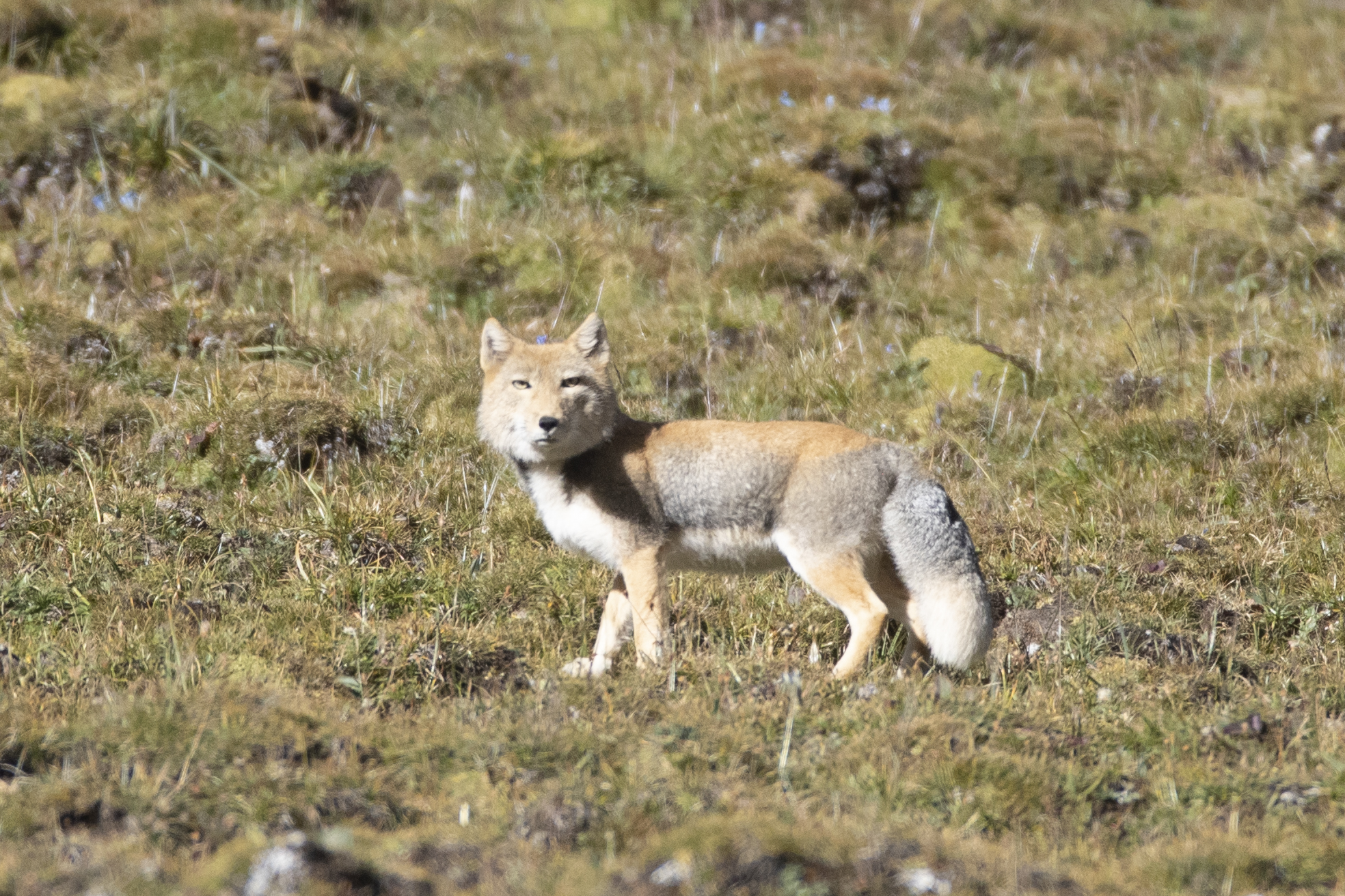
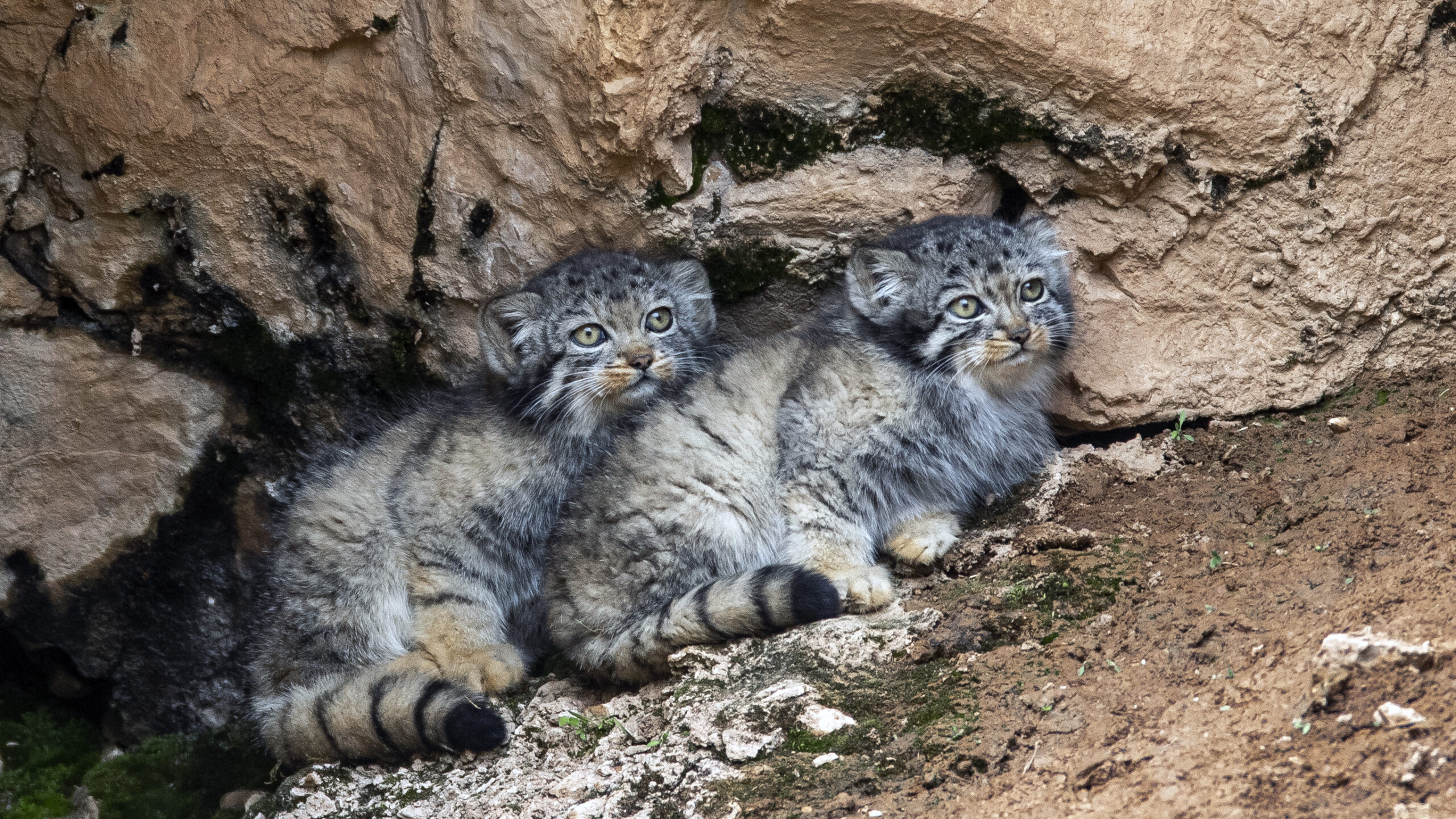
The wildlife rich grasslands and mountains of the eastern Tibetan Plateau are home to an impressive range of iconic mammals including Snow Leopard, Pallas’s Cat, Eurasian Lynx, Tibetan Blue (Brown) Bear, Wolf and Tibetan Fox.
To feed these predators, a good variety of herbivores are also present ranging from the small Plateau Pika to large ungulates such as Wild Yak, Kiang (Wild Ass), Argali and Chiru (Tibetan Antelope) and on this exciting tour, we have an excellent track record of finding our target species.
Although WildWings offer a comfortable homestay holiday to Ladakh in Northern India to look for Snow Leopards and Pallas’s Cats, this tour spends every night in hotels with western style ensuite toilets and showers and evening restaurant meals, plus an acclimatisation period prior to our arrival at the high-altitude sites. Viewing wildlife will not involve strenuous walks far from vehicles as most species can be seen close to roadside locations.
As the main part of our trip takes place at altitudes above 3,000 metres, an altitude where reduced oxygen levels can cause discomfort, we start the holiday with two nights at Labahe Forest Park at around 2,000m.
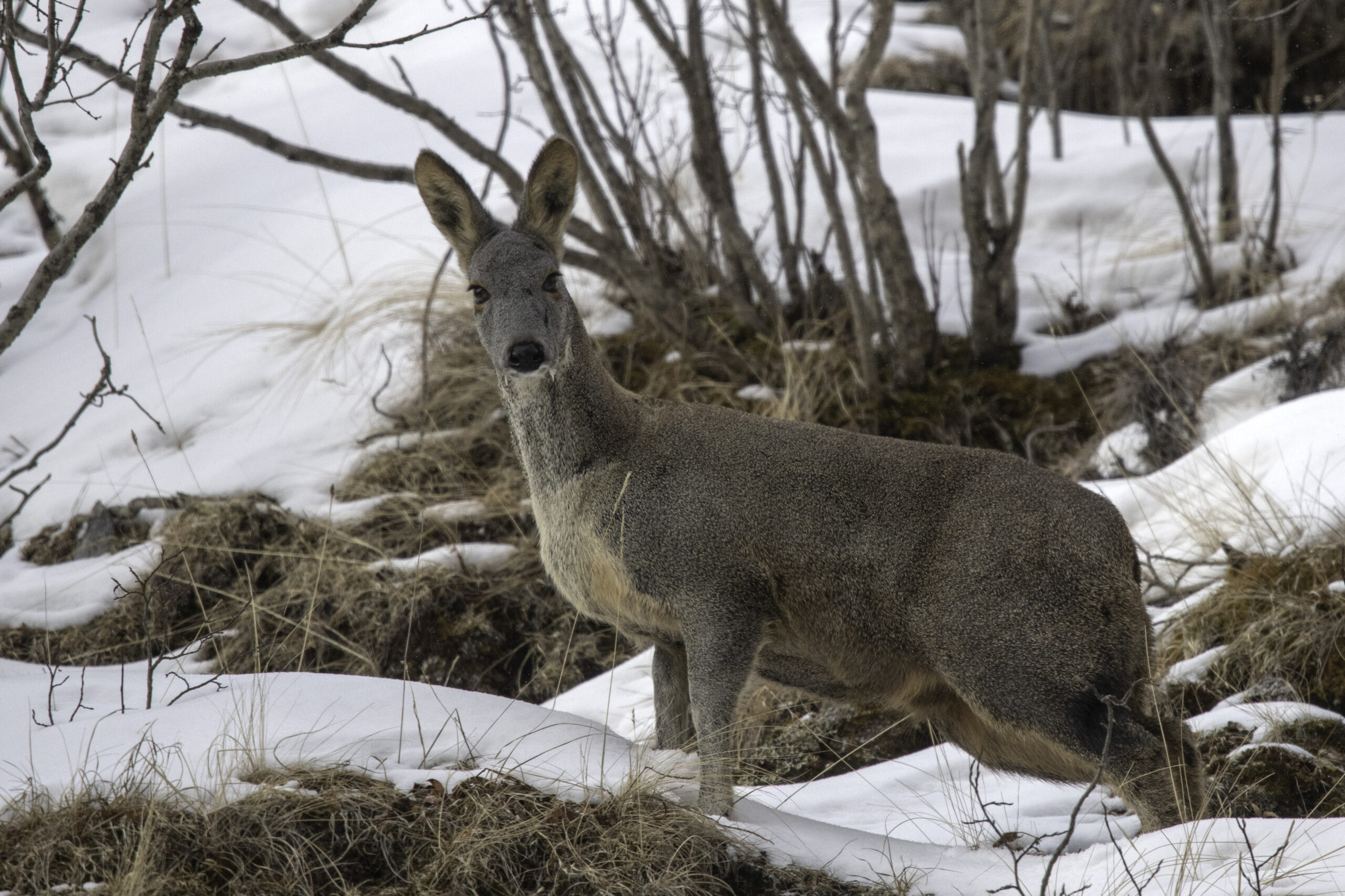
This adds yet more species to what is already an impressive list, as Labahe offers great mammal watching with the near endemic Chinese Red Panda being the main target. Other possibilities include Sambar Deer, Forest Musk Deer, Chinese Goral, Chinese Serow, Masked Palm Civet, Mainland Leopard Cat, Malayan Porcupine, Red and White Giant Flying Squirrel, Chindwin Giant Flying Squirrel, Tibetan Macaque and if we are exceptionally lucky, Giant Panda.
After leaving Labahe, we will have a long travel day to the Tibetan town of Luhou where we will spend our first night above 3,000m. Our route will take us over a 4,000m pass where there are chances of high alpine birds like Kessler’s Thrush and Rufous-breasted and Brown Accentors.
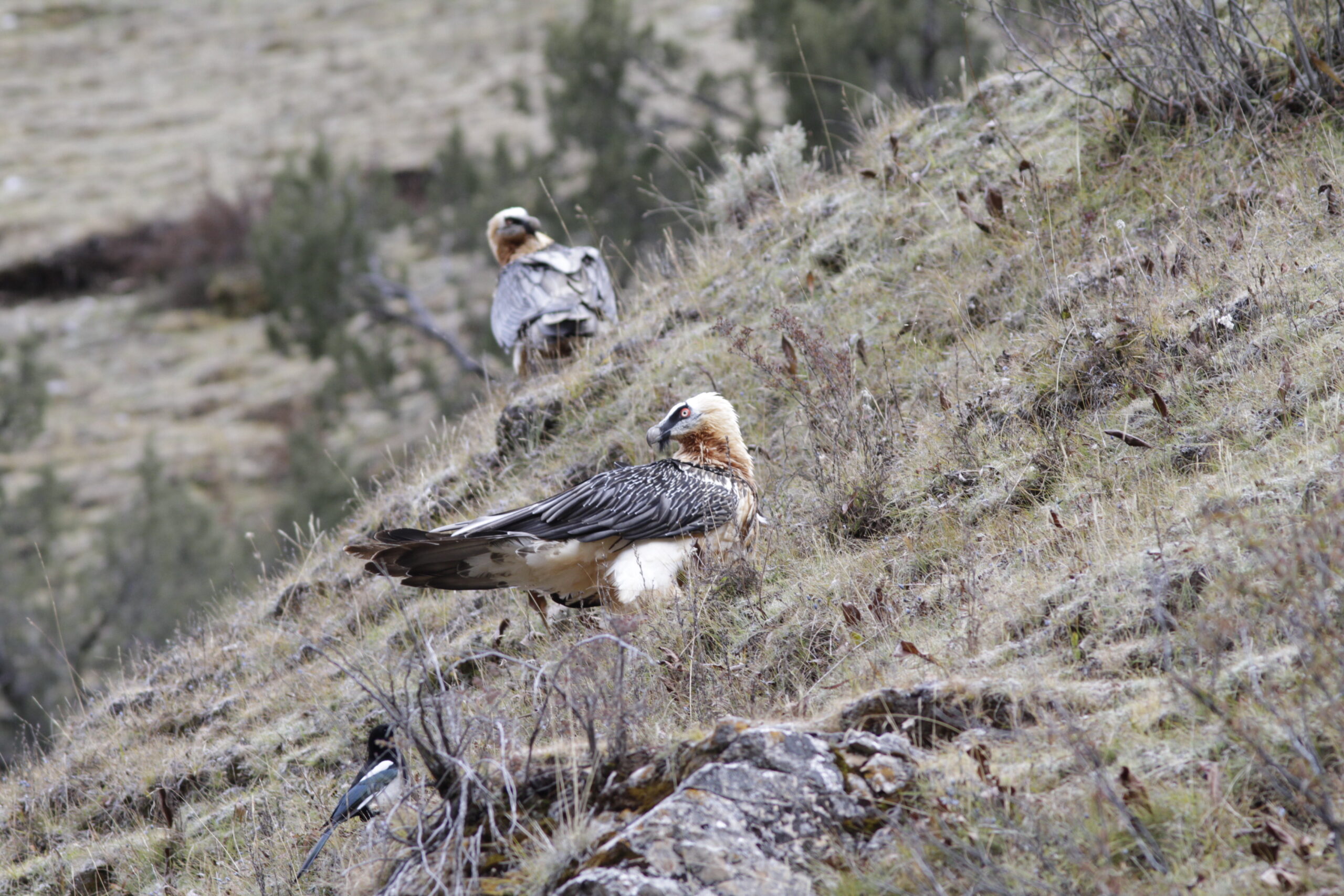
Once over this pass, we reach the Tibetan Plateau and will start to see species like Himalayan Griffon and Lammergeier as we continue on into ‘Snow Leopard country’ with plenty of chances to look for mammals and birds enroute.
As we cross the Tibetan Plateau, we expect to find species like Tibetan Fox and Wolf, along with birds such as Saker, Ground Tit and White-rumped Snowfinch.
Serxu County which is in the north-western corner of Sichuan Province will be our base for two nights and with the help of local Yak herders, this will be our first opportunity to look for Snow Leopards from the roads and tracks which traverse the wildlife rich grasslands which dominate this area.
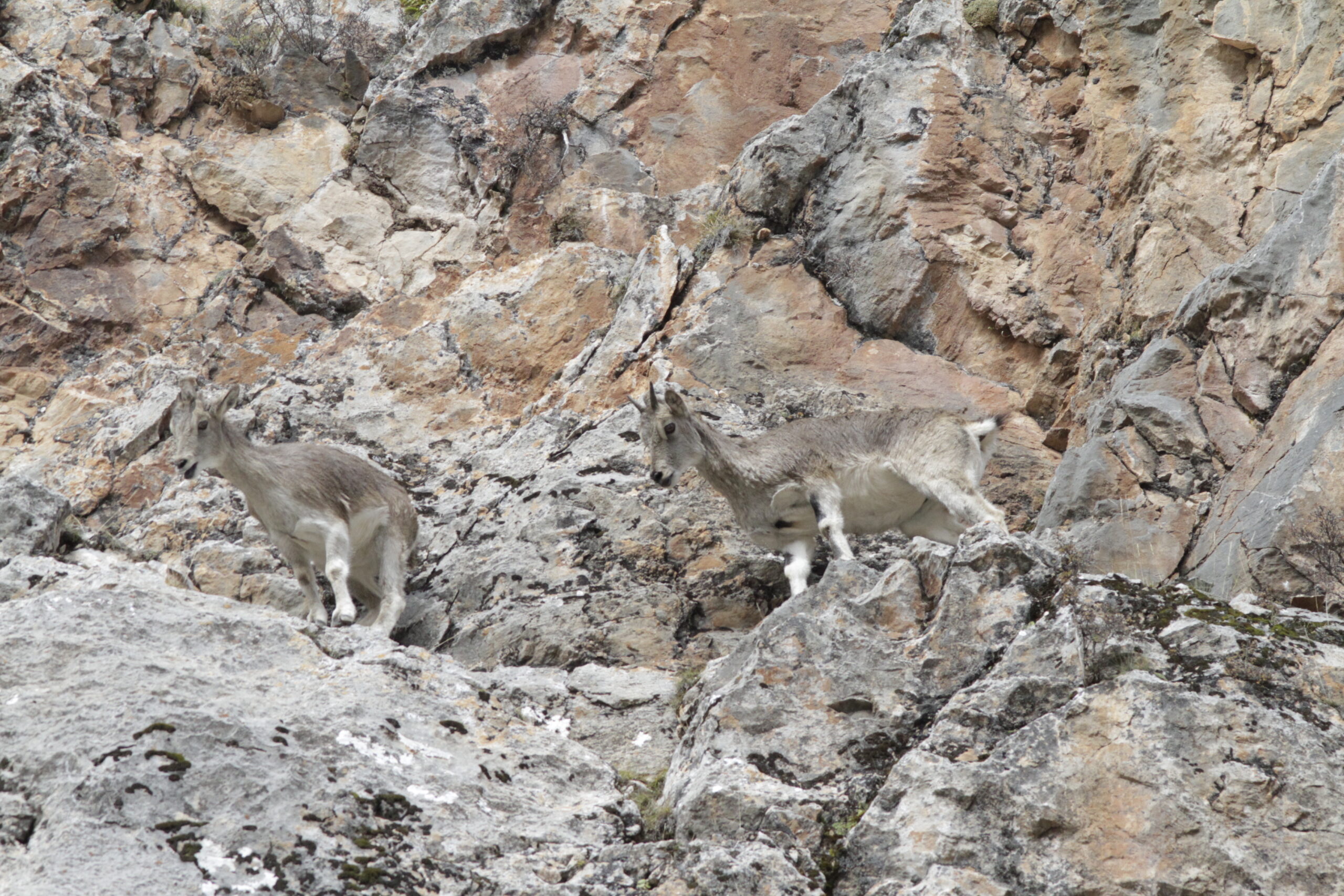
Previously, we have also seen Tibetan Blue (Brown) Bear and Argali here with this area also home to other species such as Eurasian Lynx, Pallas’s Cat, Wolf, Tibetan Fox, Plateau Pika, Tibetan Gazelle, White-lipped Deer, Blue Sheep, Kiang (Wild Ass), Woolly Hare, Steppe Polecat, Hill Weasel and Himalayan Marmot.
Birds likely to be seen include Tibetan Partridge, Bar-headed Goose, Ruddy Shelduck, Ibisbill, Pallas’s Gull, Himalayan Griffon, Lammergeier, Upland Buzzard, Saker Falcon, Ground Tit, Rufous-necked Snowfinch, White-rumped Snowfinch, Black-winged Snowfinch, Robin Accentor, Pink-rumped Rosefinch, Streaked Rosefinch, Plain Mountain Finch, Godlewski’s and possibly Tibetan Bunting.
All these wildlife watching sites are within a couple of hours’ drive from our comfortable hotel accommodation and as the town is at 4,000m, this is the main reason for our gradual drive to the area to enable everyone to gradually acclimatise to the higher altitude.
After a final morning in the Serxu area, we will depart for Qumarleb and as we drive, we will be on the lookout for species such as White-lipped and Alpine Musk Deer with the possibility of birds such as Black-necked Crane and the near endemic Tibetan Lark.
Qumarleb lies on the southern edge of Kekexili, a vast, flat, arid alpine pasture which covers 83,000 square kms and is the world’s largest and highest plateau.
Here, we will look for two of the plateau’s most iconic mammals, the Chiru and Wild Yak. Other mammals should include herds of Kiang, Tibetan Gazelle and huge colonies of Plateau Pika which support healthy populations of Tibetan Fox and Wolf.
This is another area with chances of spotting a foraging Tibetan Blue Bear and around Qumarleb, there is excellent habitat for Pallas’s Cat. White-lipped Deer, Alpine Musk Deer and Blue Sheep are also possible, along with birds such as Tibetan Sandgrouse.
After leaving Kekexili and Qumarleb, we will head on to Xiangrid for a four-day visit to the increasingly famous Gouli Valley which is located on the south-eastern edge of the Kunlun Mountain range.
This area has become the new “go-to” Snow Leopard site in China, but it is also a great destination for a whole list of other exciting mammals that include good chances for Eurasian Lynx, Pallas’s Cat, Tibetan Wolf, Asian Badger, Large-eared Jerboa and Gansu Red Deer with further chances for Tibetan Blue Bear.
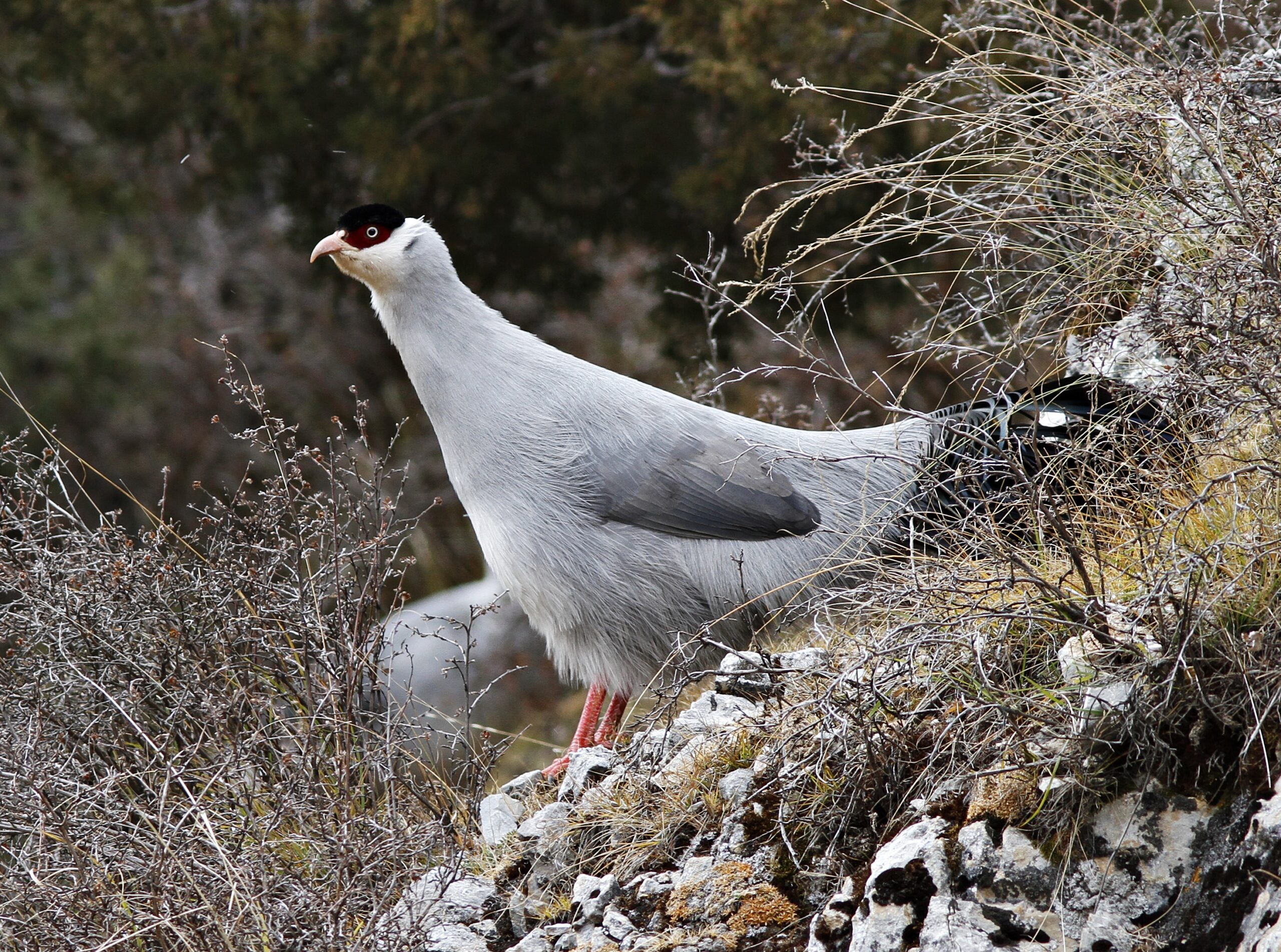
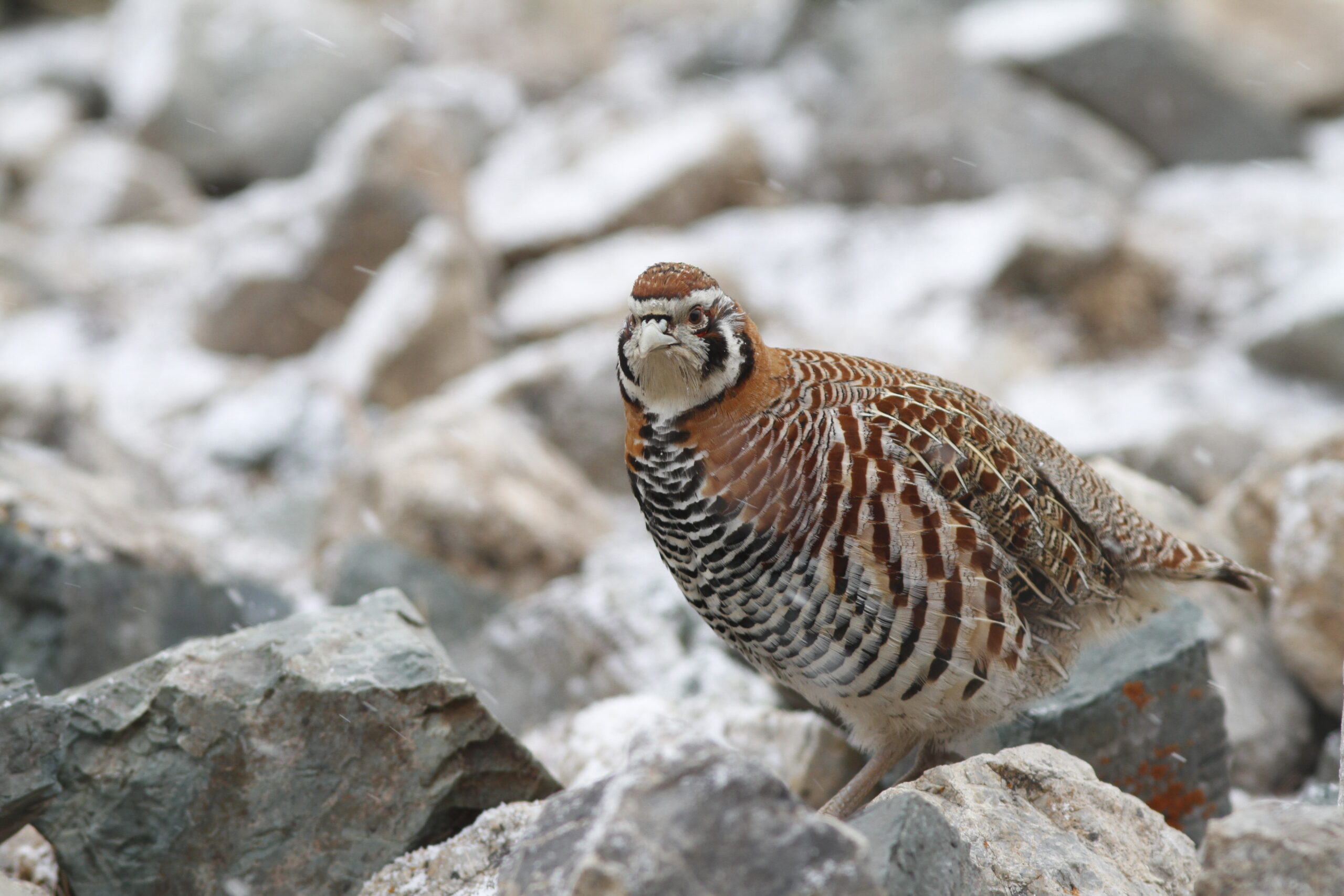
The rich bird list includes Tibetan Plateau regulars like Saker, Lammergeier, Ground Tit and various snowfinches, but also species we won’t find in other areas such as Himalayan Snowcock and two range-restricted endemics, Przevalski’s Partridge and Przevalski’s Redstart. In arid areas around our hotel site at Xiangrid, there is also a chance for Henderson’s Ground Jay.
Although Xiangrid is 80km from the main areas we plan to explore, the drives between our hotel and Gouli go through rich areas for mammals and birds with Tibetan Gazelle, Tibetan Fox and Wolly Hare all possible along with further chances for larger predators.
On our drive to Xining, from where we will fly back to the UK, we visit a reserve to look for Przewalski’s Gazelle. Not much more than twenty years ago, this species was described as “perhaps one of the most endangered species of large mammal on Earth”, however, the population has now increased to around 5,000 individuals and we stand an excellent chance of seeing it on our way to Xining.
Day 1
DEPART UK FOR CHENGDU
Day 2
ARRIVE CHENGDU AND TRANSFER TO LABAHE FOREST PARK
We plan to arrive in Chengdu in the morning where we will meet WildWings guide Sid Francis and then drive to Labahe to begin our search for Chinese Red Panda.
In recent years, the roads have improved significantly so we should reach our destination by early evening giving us time to unpack and explore the surrounding area. After dinner, we will have our first night drive. Night in Labahe
Day 3
FULL DAY AT LABAHE FOREST PARK
Our main aim will be to find Chinese Red Panda and if we are fortunate, we should be able to get close enough for nice photos.
Over the last few years, Giant Pandas have occasionally been seen on the hillsides in this area, but it is very much a case of scanning and hoping that we might get lucky. This site is also excellent for Chinese Serow, Chinese Goral, Mainland Leopard Cat, Red and White Giant Flying Squirrels with other possibilities including Masked Palm Civet, Malayan Porcupine and Tibetan Macaque.
There should also be an impressive supporting cast of birds with Lady Amherst’s Pheasant, Temminck’s Tragopan, Brown, Fulvous and Three-toed Parrotbills, Chestnut-headed Tesia and Black-faced Laughingthrush amongst the species we hope to find. Second night in Labahe
Day 4
TRANSFER TO THE TIBETAN TOWN OF LUHOU
The drive to the Tibetan town of Luhou will take much of the day but we will make strategic stops as we travel to look for birds and mammals. We will cross a 4,000 metre pass in the Zhedou Mountains where there are chances to find high alpine birds such as Kessler’s Thrush and both Rufous-breasted and Brown Accentors.
Once over the pass, we will be on the Tibetan Plateau and will start to see species such as Himalayan Griffon and the majestic Lammergeier. There should also be chances to find mammals such as Tibetan Gazelle and Plateau Pika. Night in Luhou
Day 5
TRAVEL ON TO SERXU
We will begin our exploration of the Tibetan Plateau as we travel on to our first base in the mountains at Serxu. As we gradually gain elevation (Serxu is at approximately 4,000m), we stand an excellent chance of seeing Plateau Pika which is abundant.
Both Tibetan Fox and Tibetan Wolf are also possible and birds could include Upland Buzzard, Saker Falcon, Ground Tit and the near-endemic White-rumped Snowfinch. Night in Serxu
Day 6
EXPLORING THE GRASSLANDS AND OTHER HABITATS AROUND SERXU
We have a full day to explore around Serxu which is located in the north-western corner of Sichuan Province. Our main emphasis will be on the wildlife rich grasslands which is where we have our first chances to find Snow Leopards. Much of the day is likely to be short walks from our vehicles given the high altitude.
Local Yak herders are often aware where the Snow Leopards are present and we will use ‘local intelligence’ to maximise our chances of seeing them.
There are, however, plenty of other interesting mammals to look for with other possibilities including Eurasian Lynx, Pallas’s Cat, Tibetan Wolf, Tibetan Fox, Tibetan Blue Bear, Plateau Pika, Tibetan Gazelle, White-lipped Deer, Blue Sheep, Kiang (Wild Ass), Woolly Hare, Steppe Polecat, Hill Weasel and Himalayan Marmot.
This area is also home to some great birds and the possibilities include Tibetan Partridge, Bar-headed Goose, Ibisbill, Pallas’s Gull, Himalayan Griffon, Lammergeier, Upland Buzzard, Saker Falcon, Ground Tit, Rufous-necked, White-rumped and Black-winged Snowfinches (all of which are near-endemic), Robin Accentor, Oriental Skylark, Pink-rumped Rosefinch (endemic), Streaked Rosefinch (near endemic), Plain Mountain Finch and Godlewski’s Bunting. Second night in Serxu
Day 7
TRANSFER TO QUMARLEB
We are likely to have an early morning around Serxu before we leave Sichuan and enter the province of Qinqhai where we will be based for the remainder of the tour. The drive to Qumarleb is likely to take about five hours but there are chances for mammals as we travel with White-lipped and Alpine Musk Deer amongst the species we hope to encounter. Night in Qumarleb
Day 8
QUMARLEB TO GOLMUD, TRAVERSING THE KEKEXILI, THE WORLD’S LARGEST AND HIGHEST PLATEAU
We will leave Qumarleb after breakfast for the drive to the town of Golmud. The route will take us through some excellent wildlife habitats as we traverse the southern edge of the vast Kekexili Plateau.
These flat, arid alpine pastures begin close to the city and cover an immense 83,000 square kms making the Kekexili the world’s largest and highest plateau.
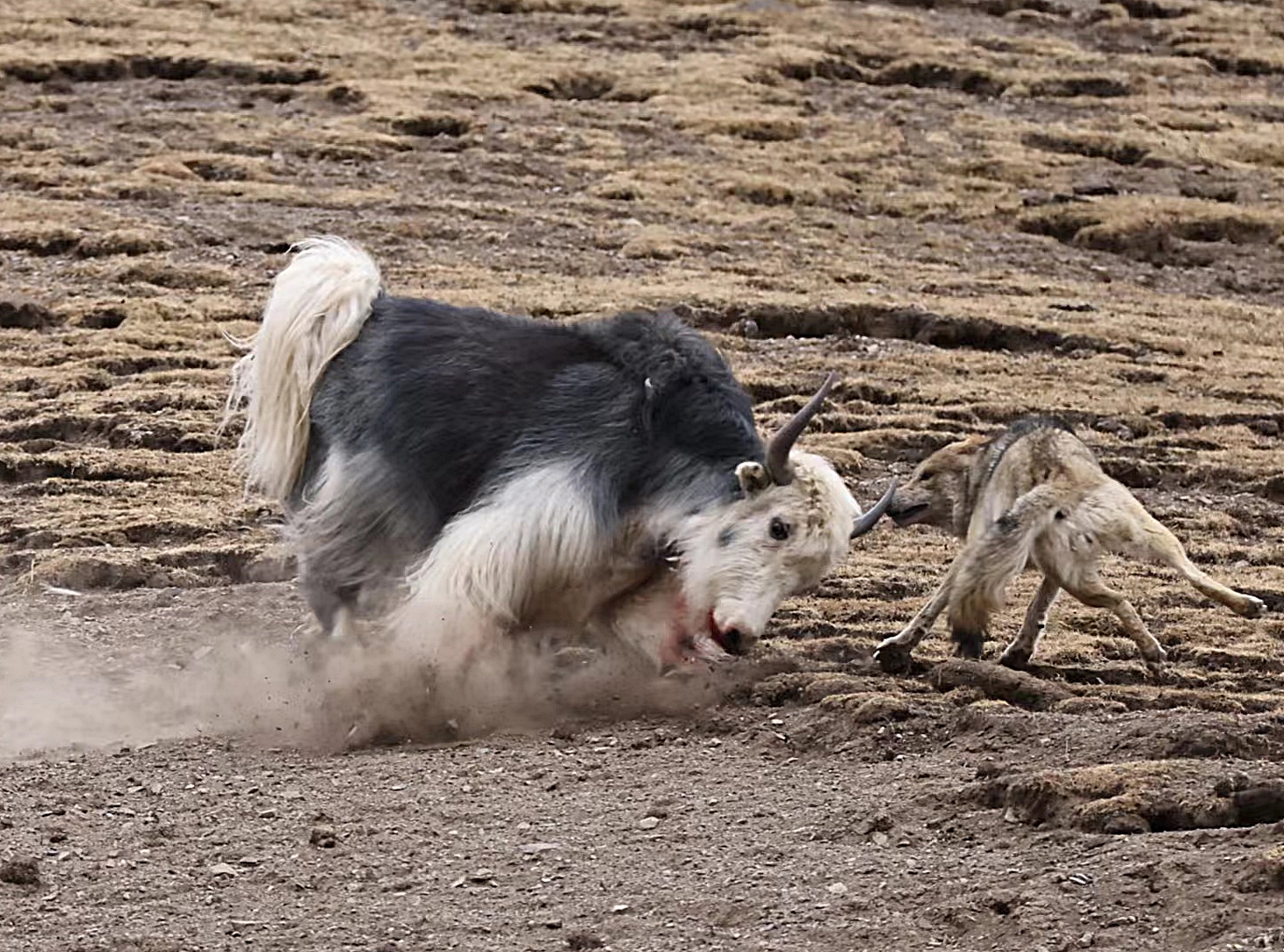
Our goal is to find two of the plateau’s most iconic mammals, the Chiru (Tibetan Antelope) and Wild Yak.
Previously hunted to the point where they became highly endangered, the number of Chirus has bounced back since the establishment of a reserve and we stand a good chance of seeing this species.
The Wild Yak, however, which are much larger than their domestic counterpart, have experienced a significant population decline, and are now restricted to just a few sites in the Himalayas. Night in Golmud
Day 9
GOLMUD TO XIANGRID
We will depart Golmud in the morning for the approximately five hour drive to Xiangrid which is our gateway to the famous Gouli Valley.
We will be on the lookout for wildlife as we travel and are likely to make a number of strategic stops to look for mammals and birds with more chances for species such as Kiang (Wild Ass), Blue Sheep, Tibetan Gazelle, Alpine Musk Deer and White-lipped Deer.
There are also huge colonies of Plateau Pika which provide plenty of food for both Tibetan Fox and Tibetan Wolf and we may well see these two carnivores out hunting as we travel. Night in Xiangrid
Days 10-13
GOULI VALLEY
We have four full days to explore the Gouli Valley and surrounding habitats which is now considered to be the “new go-to Snow Leopard site in China”.
Located on the south-eastern edge of the Kunlun Mountain range, the valley is also a great destination for a whole list of other exciting mammals that include good chances for Eurasian Lynx, Pallas’s Cat, Tibetan Wolf, Asian Badger, Large-eared Jerboa and Gansu Red Deer. A number of more difficult to find species including Tibetan Blue Bear and Red Dhole are present in the area but we would count ourselves extremely fortunate to see either of these.
The bird list is equally rich and includes Tibetan Plateau regulars such as Saker, Lammergeier, Ground Tit and a variety of snowfinches, however, there are also a number of species we are unlikely to find in other areas like Himalayan Snowcock and two range-restricted endemics, Przevalski’s Redstart and Przevalski’s Partridge. In arid areas around our hotel at Xiangrid Town, there is also a chance for Henderson’s Ground Jay.
Our hotel in Xiangrid is approximately 80km from the main area we will focus on but the road between the hotel and Gouli Valley passes through areas rich in mammals and birds with Tibetan Gazelle, Tibetan Fox and Wolly Hare all possible. Our early morning and evening drives in these areas give us additional chances to see larger predators on our way to and from Gouli. Four further nights in Xiangrid
Day 14
WILDLIFE WATCHING AS WE DRIVE TO XINING
We plan to leave Xiangrid after breakfast for the journey to Xining and are likely to make several stops as we travel.
Snow Leopard, Eurasian Lynx, Tibetan Blue Bear and Agarli can all be found in this area, however, are priority will be a visit to a reserve where we stand an excellent chance of seeing Przewalski’s Gazelle, a species which only a quarter of a century ago was described as “perhaps one of the most endangered species of large mammal on Earth”. Careful conservation management has resulted in the population increasing to around 5,000 individuals and we stand an excellent chance of finding this before continuing on to Xining. Night in Xining
Day 15
FLY XINING TO BEIJING FOR ONWARD CONNECTIONS TO THE UK
Depending on flight times, there may be the opportunity for some final early morning wildlife watching before we head to the airport for a flight to Beijing with onward connections back to the UK where (subject to flight times) we are likely to arrive the same day.
Please note that the itinerary may be changed to maximise on the wildlife opportunities and flight schedules.
WHAT TO EXPECT
This is a small group mammal-focused tour to Sichuan and Qinqhai where our goal is to see the special animals of this region. We will also look for some of the iconic birds which occur in these provinces but participants should understand that we will not be chasing a big list of “little brown jobs”.
Like most of our tours, there will be early starts and late finishes and we also plan to offer some nocturnal excursions to look for certain species. Except on travel days, all trips are optional but you are obviously encouraged to join them all.
WEATHER
The weather conditions during this tour are likely to be highly variable with relatively mild to cold conditions at Labahe and potentially colder conditions including the possibility of some snow showers and sub-zero temperatures at dawn at higher altitudes.
Warm winter clothing including gloves will, therefore, be essential, along with thermals, although it is quite likely that many days will be clear, relatively warm and sunny.
TRANSPORT
All road transport is in comfortable minivans or 4×4 vehicles and, on some occasions, we will use national park shuttle buses to visit areas closed to our vehicles.
Luggage space is limited so soft bags rather than large hard suitcases are preferable.
It is important to appreciate that there are a number of days when we will be driving for around five hours or so, however, we plan to break these up with stops to look for wildlife.
ACCOMMODATION
Throughout our stay we plan to use a number of 3-star hotels which have comfortable rooms with western style ensuite bathrooms and toilets.
MEALS
Meals will be planned around our daily activities and will not necessarily be at fixed times. If our activities are in the vicinity of the hotel, we will return for breakfast after an early morning excursion but when travelling further afield, we may take toasted sandwiches etc.
Lunches will either be taken at the hotels, at restaurants when travelling between locations, or on some days when we are out of the field all day, we will have packed lunches.
Evening meals will be taken at our hotel or a local restaurant.
WALKING
Most walks will be short distance along roads and good tracks with the possibility of a short uphill walk at around 2,500 metres above sea level at Labahe.
At higher altitudes, walks will be kept to a minimum and we expect to be close to our vehicles.
PHOTOGRAPHY
There should be some excellent photographic opportunities and we would expect to get close views of a number of species.
VISAS
The visa requirements for China change regularly and, at the time these notes were prepared (April 2026), British citizens could enter China visa-free.
Tour Gallery
View a gallery of images for this tour below, click on an image to view as full size with caption
Ask About This Tour
If you have any questions about this tour, please enter your details here and we will get back to you as soon as possible.
Alternatively, contact us by email or phone. We look forward to hearing from you!
- 0117 965 8333
- [email protected]
Or complete the contact form and we will endeavour to get back to you as soon as possible.
* = required field