Brazil
Rare Mammals of the Atlantic Rainforest
A 13-day holiday to the Brazilian Atlantic Rainforest focusing on some of South America's rarest primates and other mammals
Brazil is home to some spectacular wildlife, however, it is also where some of the continent’s most threatened habitats can be found. Of these, the Atlantic Rainforest is widely considered to be one of the most endangered biomes on Earth and on this new and exciting 13-day holiday, we concentrate on looking for some of the highly endangered mammals which can be found in these remaining forests.
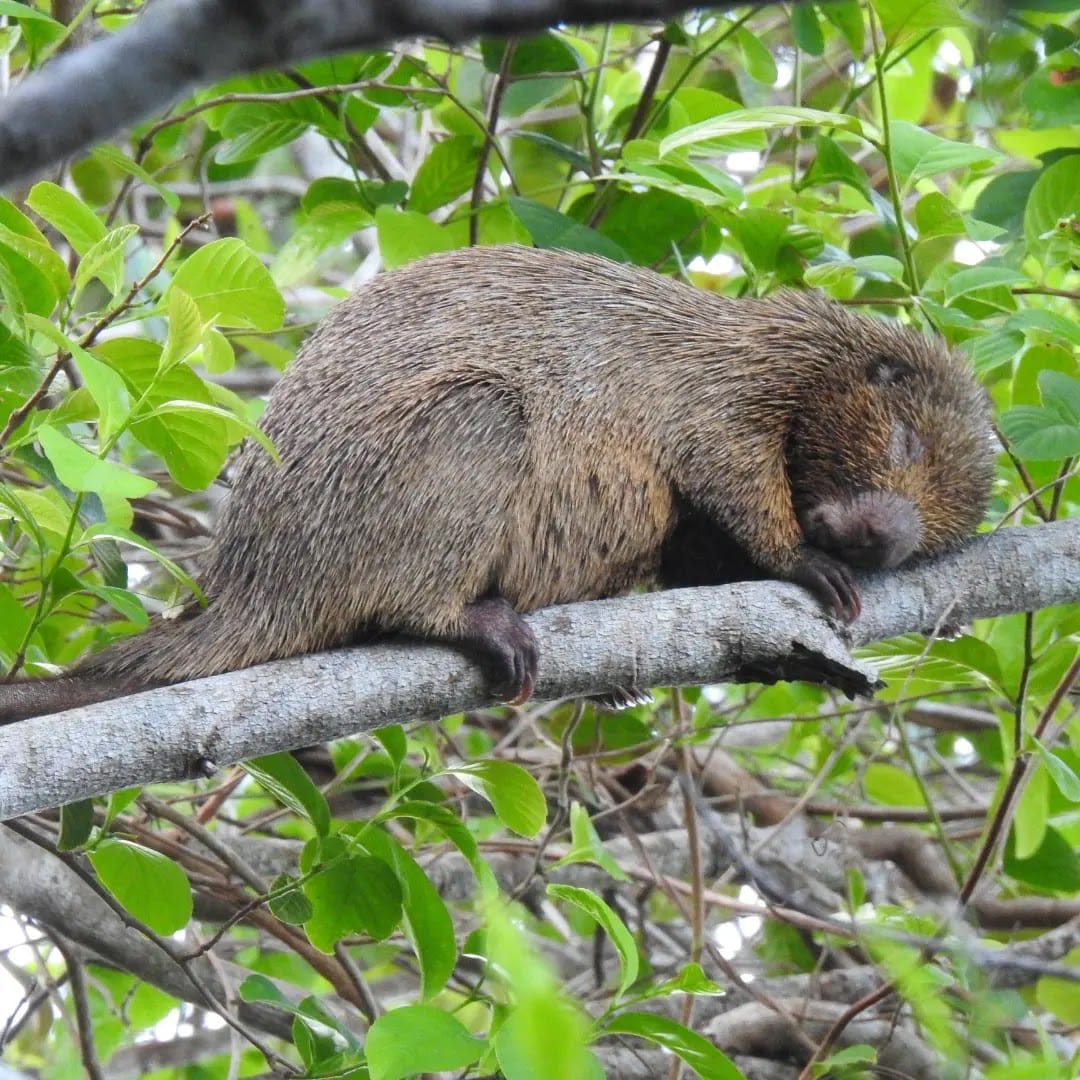
Beginning in Bahia in NE Brazil, we will spend two days exploring habitats around Praia do Forte looking for Northern Maned Sloth, Bristle-spined and Bahian Hairy Dwarf Porcupines, as well as more widespread species such as Common Marmoset and White-eared Opossum.
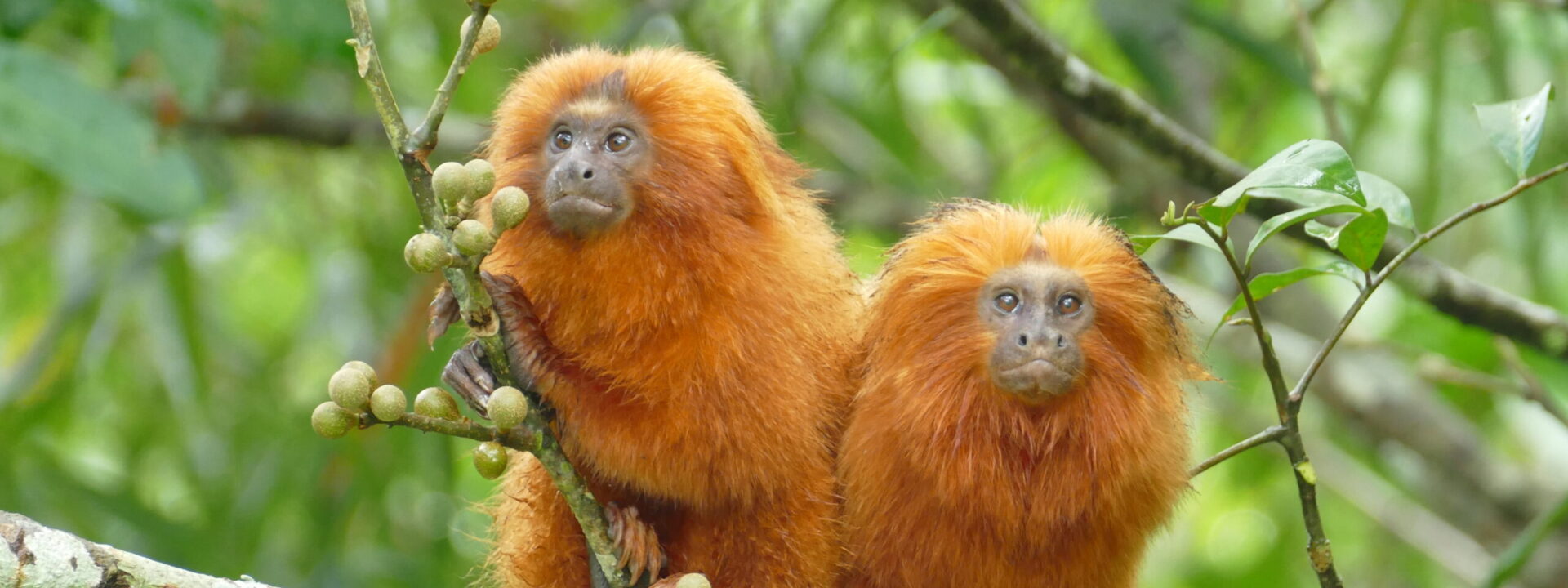
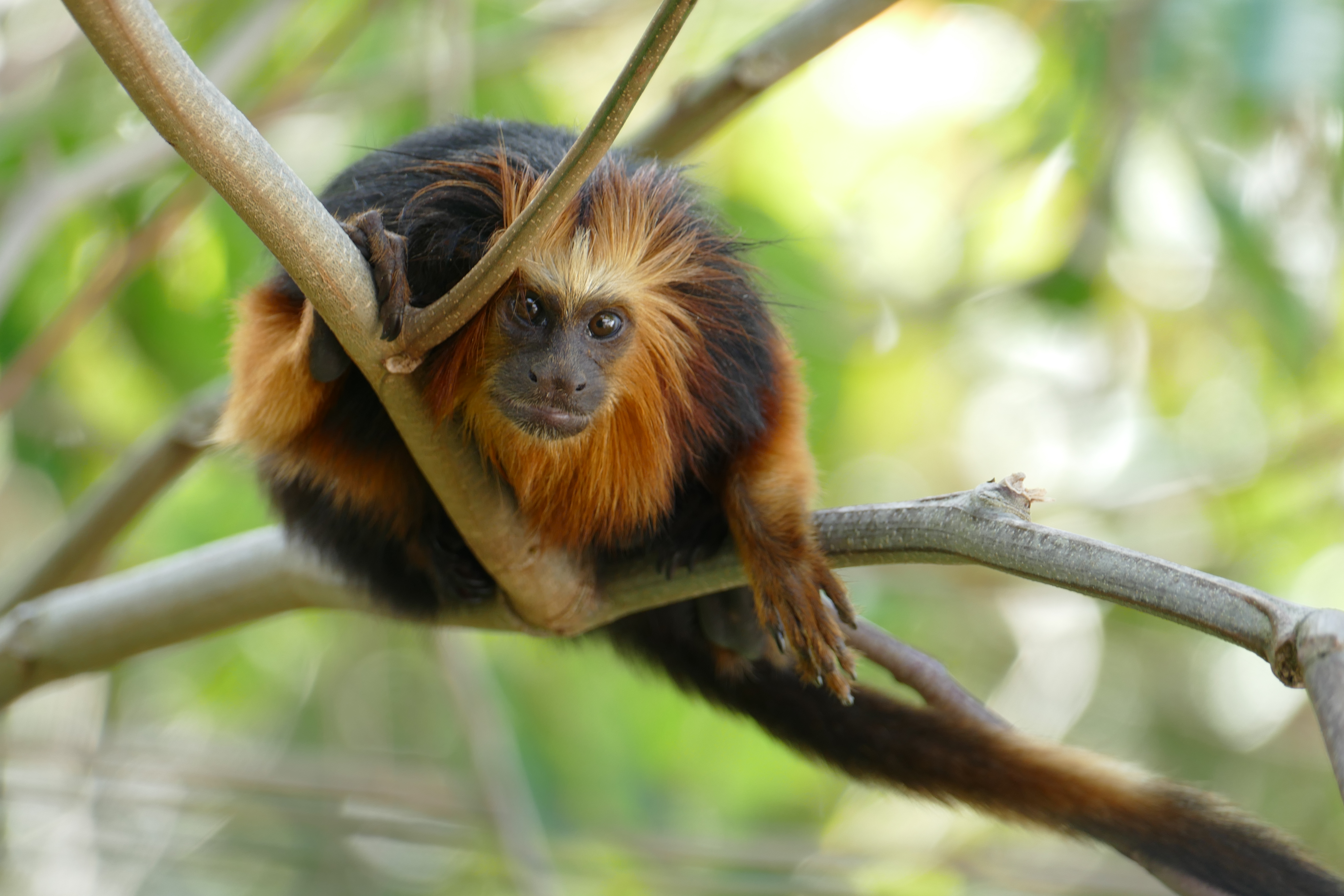
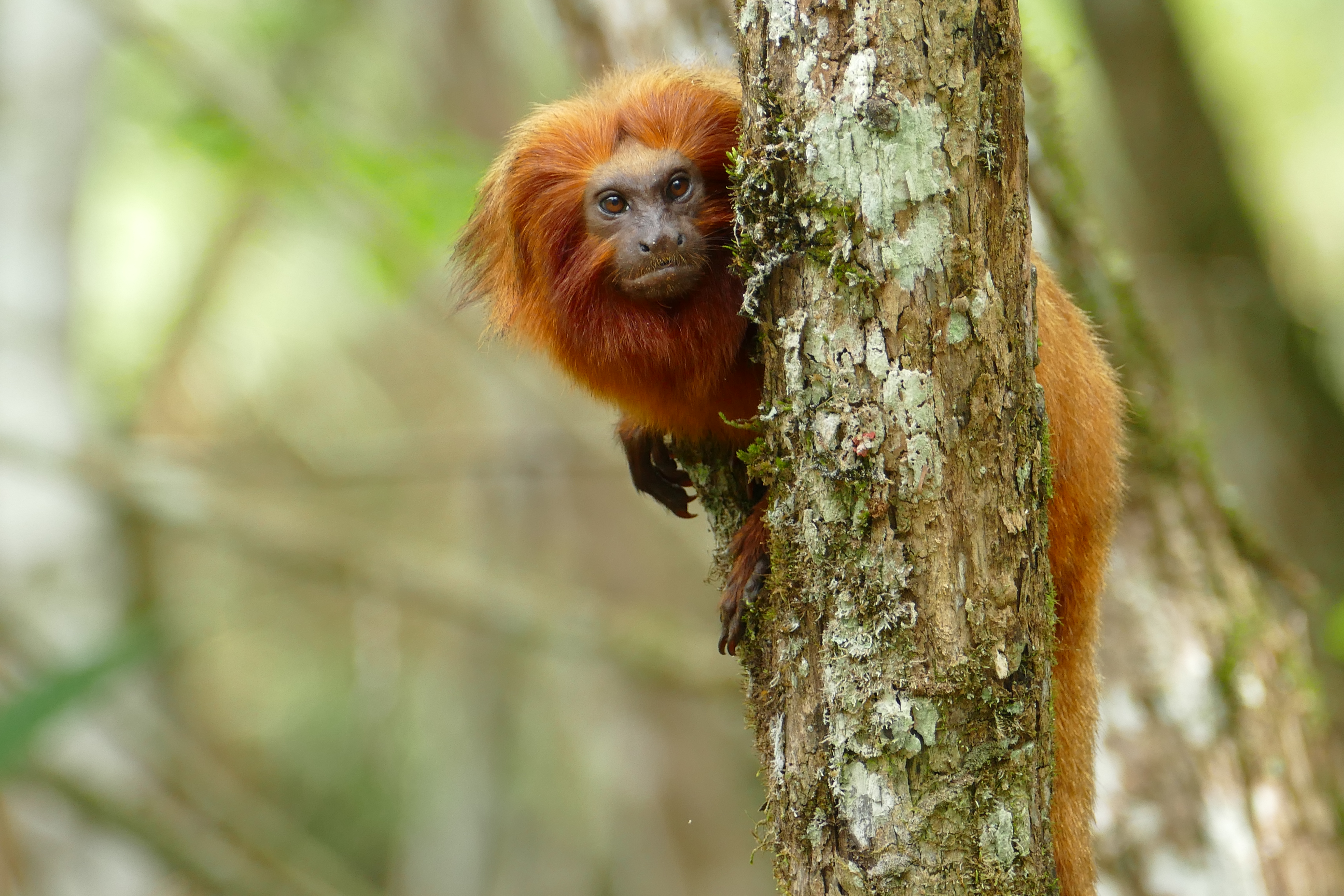
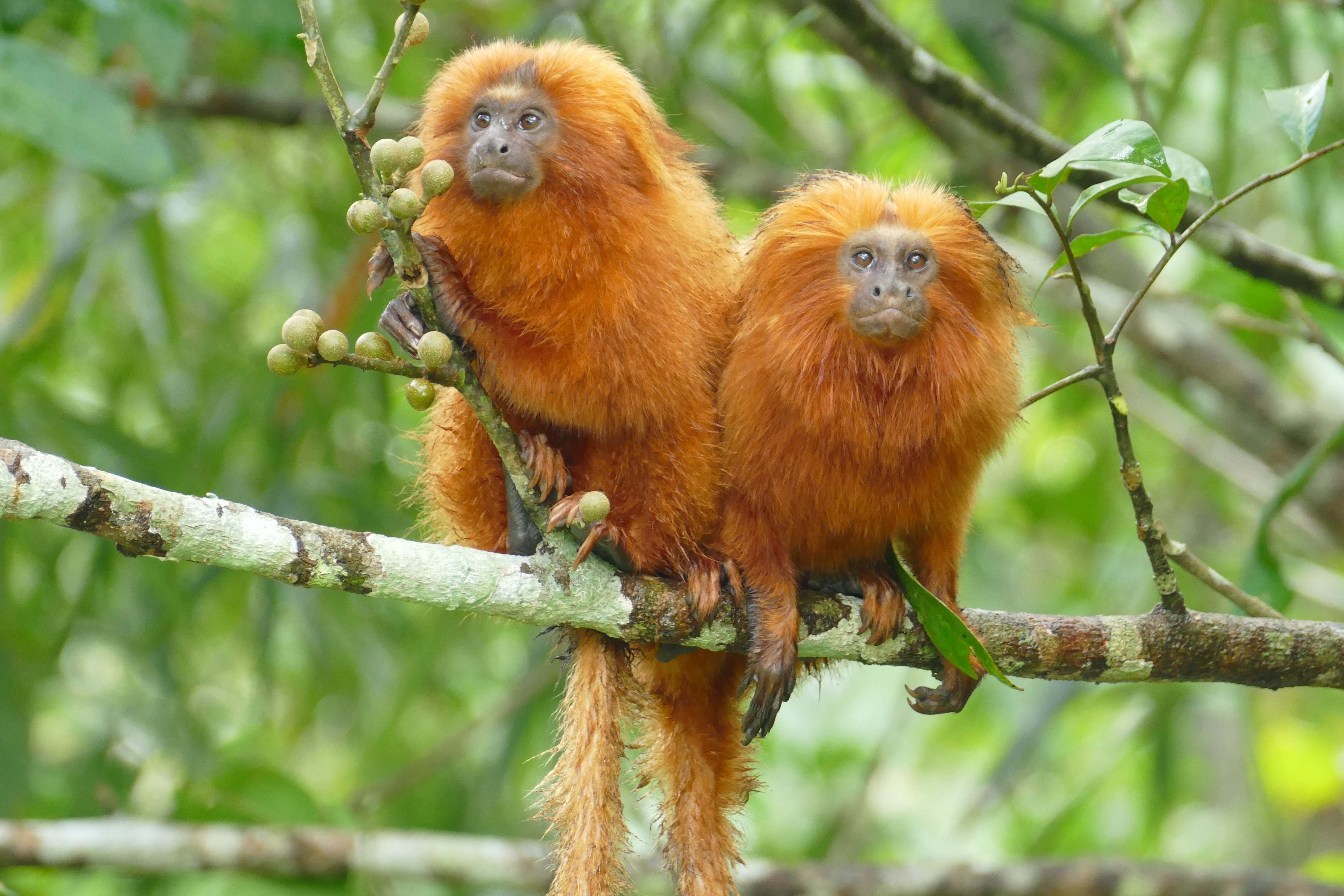
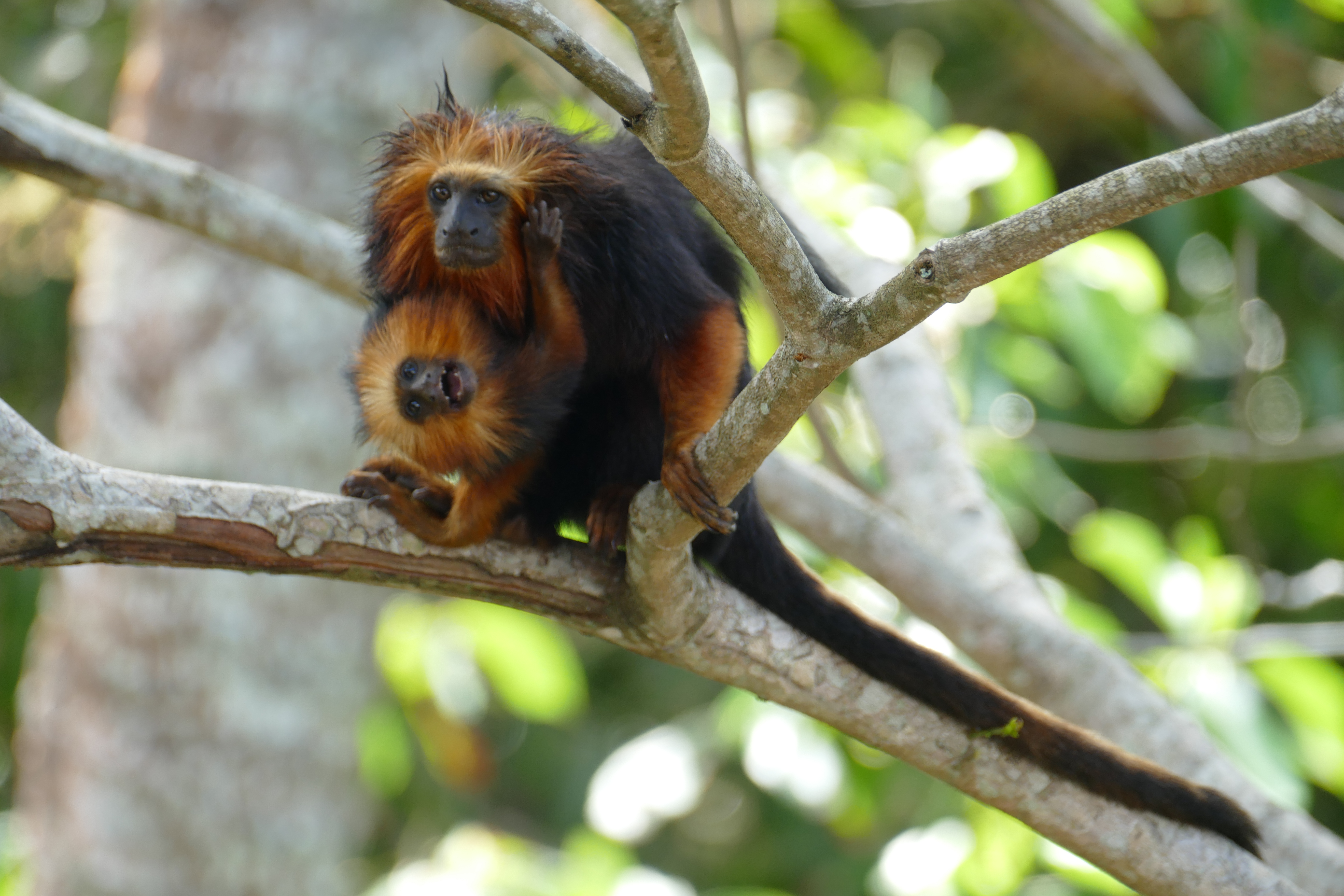
Moving south to Una, new targets will include the stunning Golden-headed Lion Tamarin, as well as Yellow-breasted Capuchin, Black-handed Titi and Wied’s Marmoset, along with endemic birds such as Golden-capped Parakeet, White-bellied Tanager and Bare-throated Bellbird.
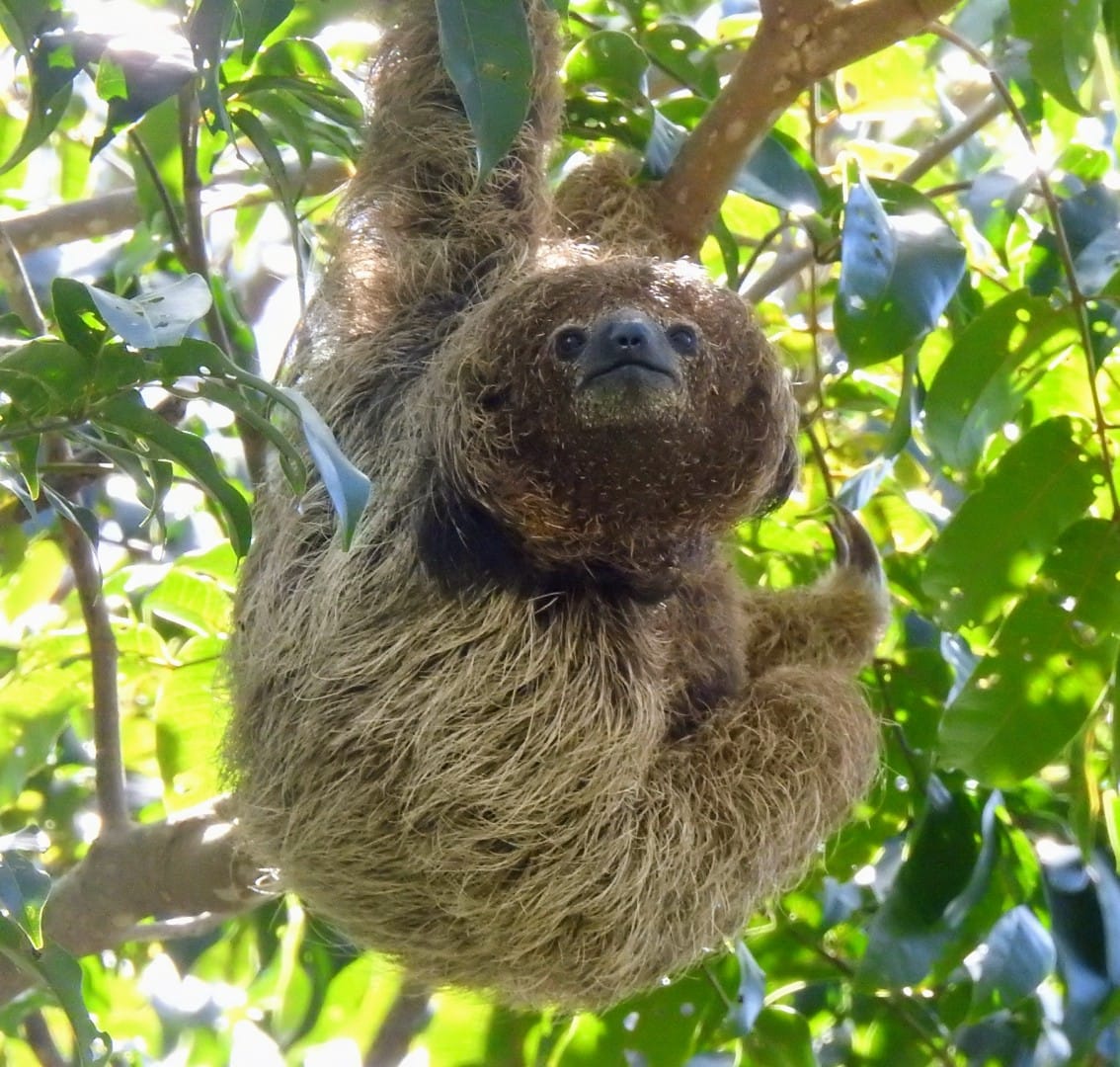
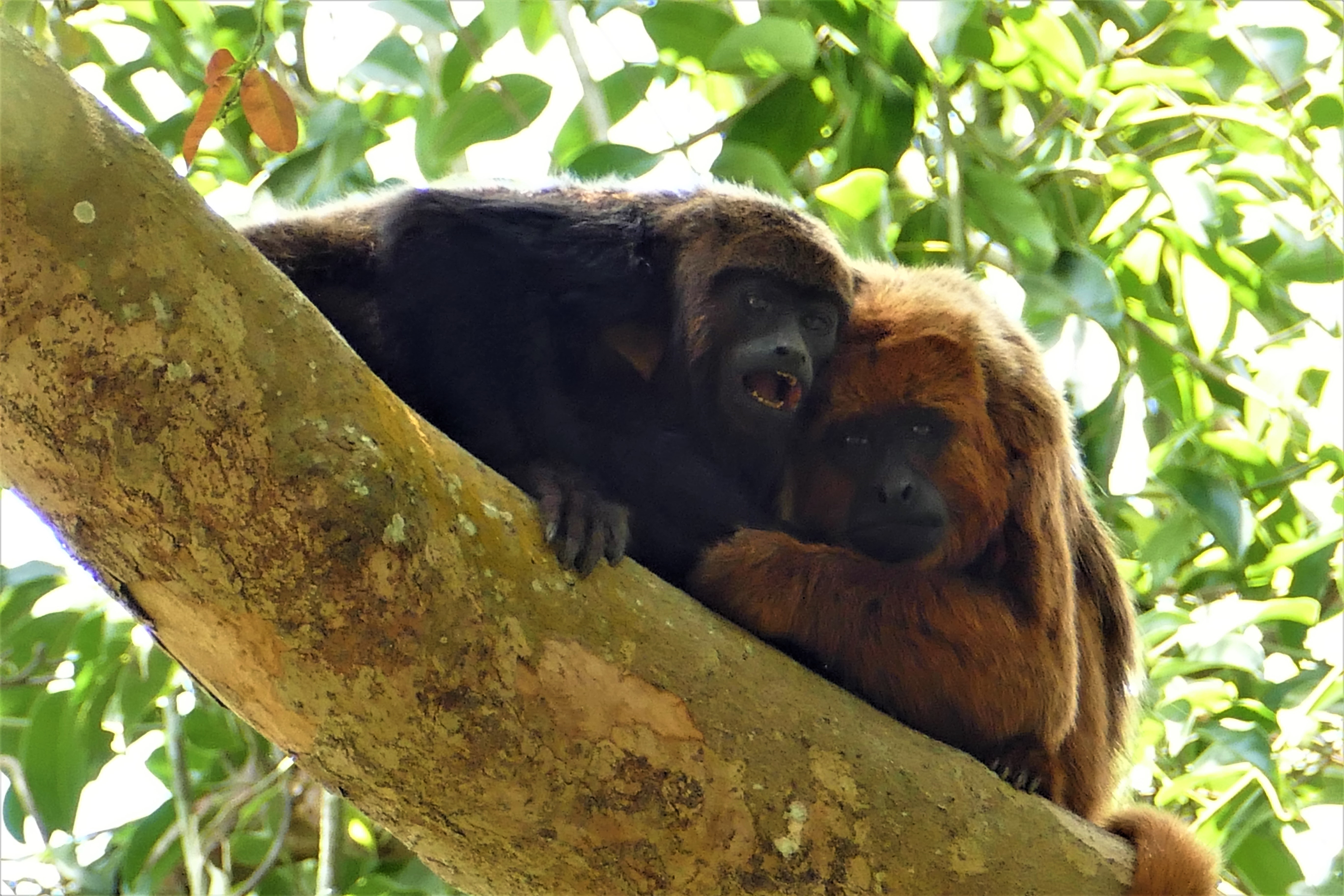
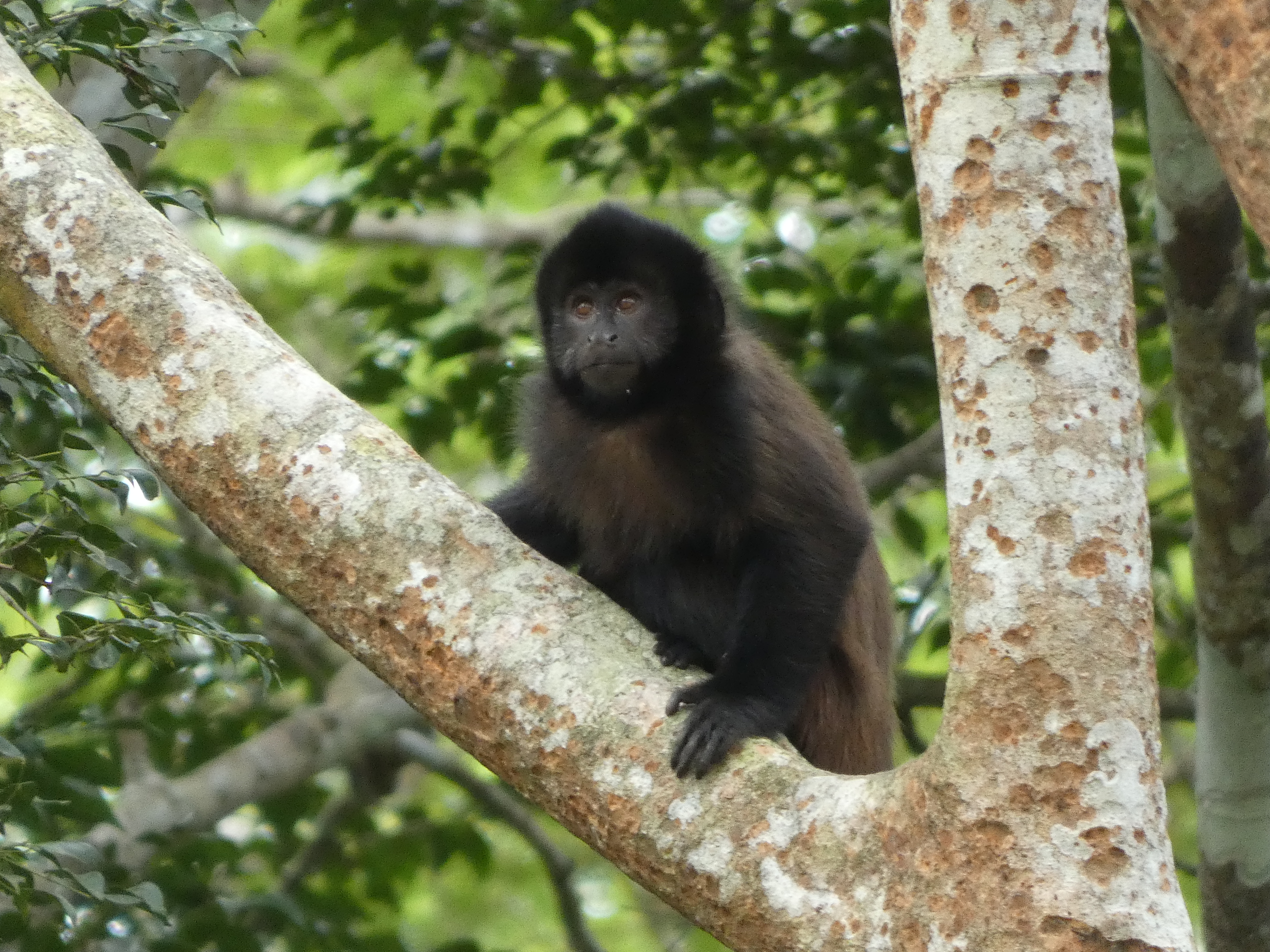
Our visit to the Vale Natural Reserve in Espírito Santo then provides opportunities to look for Atlantic Titi, Crested Capuchin, Brown Howler and Geoffroy’s Tufted-ear Marmoset, while near the charming mountain town of Santa Teresa, we hope to find Southern Maned Sloth and both Buffy-headed and Black-tufted Marmosets. There will also be more endemic birds to look for with Red-billed Curassow and Red-browed Parrot amongst the possibilities.
The final highlight of the holiday will then be at Silva Jardim where we hope to see the endangered Golden Lion Tamarin.
Led by WildWings’ expert Brazilian guide Regina Ribeiro, this epic journey looks for some of South America’s most threatened mammal species plus some great birds.
Tour Dates & Prices
Tue 12th October 2027
Sun 24th October 2027
- Available
Tour Cost: 13 Days from £7795 * including international flights
What's Included?
- Ten nights accommodation in comfortable hotels
- Tour internal flights
- All main meals and drinking water
- All excursion, entry fees and permits
- WildWings checklist of mammals and birds
- Led by Regina Ribeiro, WildWings Brazil-based wildlife guide
Cost Excludes
Insurance, visa fees, drinks, airport snacks/meals and other items of a personal nature
Additional Information
The land only price starts in Salvador and concludes in Rio de Janeiro.
Tour Highlights
- A 13-day holiday exploring the Brazilian Atlantic rainforests between Salvador and Rio de Janeiro
- Look for two species of Lion Tamarin - Golden and Golden-headed - along with an impressive list of other primates
- Further primate possibilities include Yellow-breasted and Crested Capuchins, Black-handed and Atlantic Titis, Wied's and Geoffroy's Tufted-ear Marmosets and Brown Howler
- Other threatened mammals we hope to see include Northern and Southern Maned Sloths and Bristle-spined and Bahian Hairy Dwarf Porcupines, along with more widespread species such as White-eared Opossum and Red-rumped Agouti
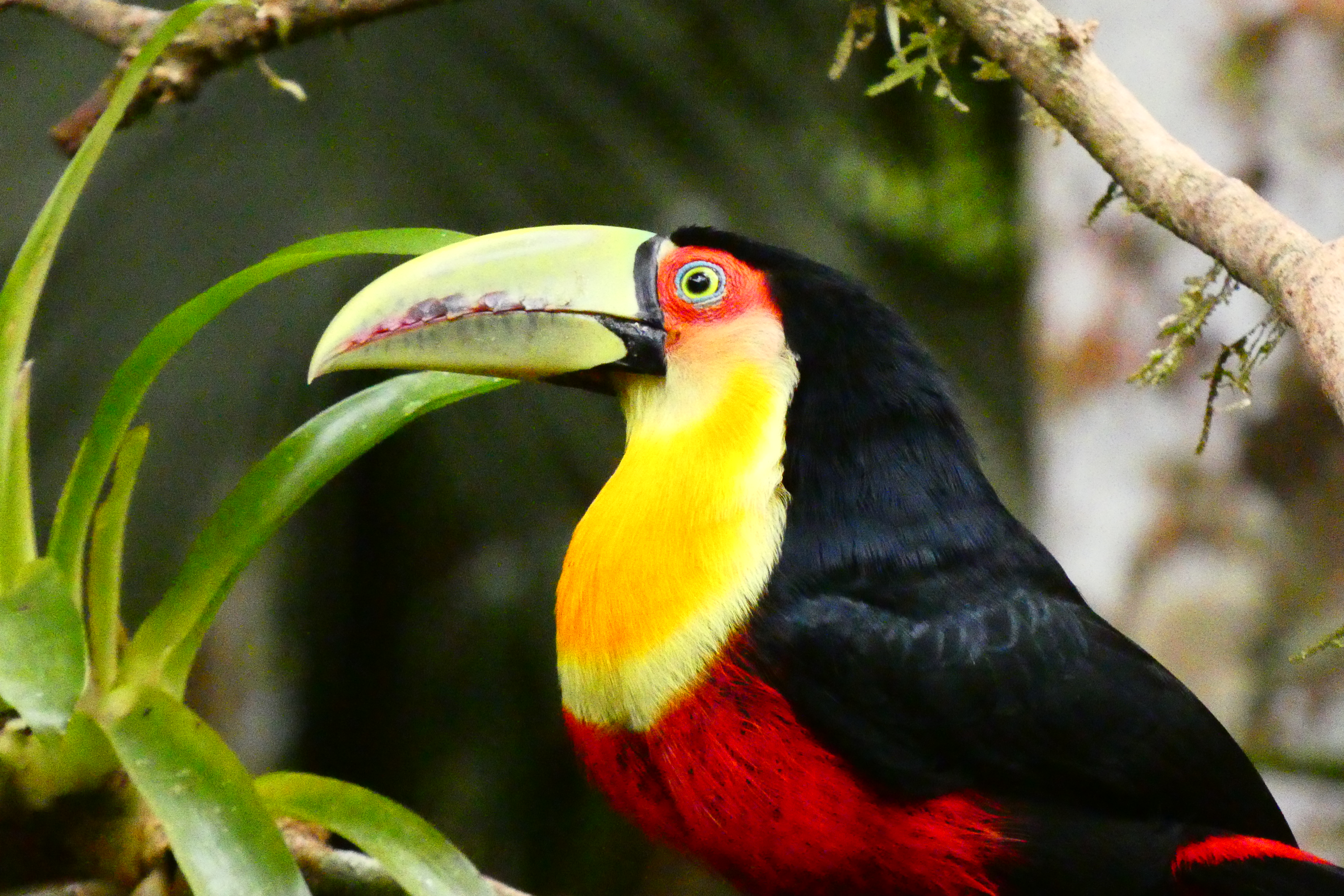
- Opportunities for a good selection of Atlantic rainforest bird endemics with the possibilities including Red-billed Curassow, Red-browed Amazon, Golden-capped Parakeet, Bare-throated Bellbird, Minute Hermit and the critically endangered Banded Cotinga
- Expertly led by Wildwings' English-speaking Brazilian wildlife guide, Regina Ribeiro
Outline Itinerary
-
Depart UK for Salvador in NE Brazil
-
Arrive Salvador and transfer to Praia do Forte. Begin exploration of Arua area. Night Praia do Forte
-
Full day visiting Arua. Second night Praia do Forte
-
Transfer to Ilhéus and begin exploration of the area. Night Ilhéus
-
Two full days visiting the forests and other habitats near Ilhéus. Two further nights Ilhéus
-
Transfer to Vitória. Night Vitória
-
Explore the 23,000 hectare Vale Natural Reserve. Two nights Linhales
-
Transfer to Santa Teresa with afternoon visit to Augusto Ruschu Biological Reserve. Night Santa Teresa
-
Morning at Santa Teresa. Fly to Rio de Janeiro. Night Rio de Janeiro
-
Visit to Silva Jardim Reserve. Transfer to Rio de Janeiro airport with departure for UK
-
Arrive UK
The vast South American nation of Brazil is home to some spectacular wildlife, however, it is also where some of the continent’s most threatened habitats can be found. Of these, the Atlantic Rainforest is widely considered to be one of the most endangered biomes on Earth and on this new and exciting 13-day holiday, we concentrate on looking for some of the highly endangered mammals which can be found in these remaining forests.
Our journey begins in Bahia in NE Brazil, where we spend two days exploring habitats around Praia do Forte. This area is home to a number of special mammals including Northern Maned Sloth, Bristle-spined and Bahian Hairy Dwarf Porcupines, as well as more widespread species such as Common Marmoset and White-eared Opossum.
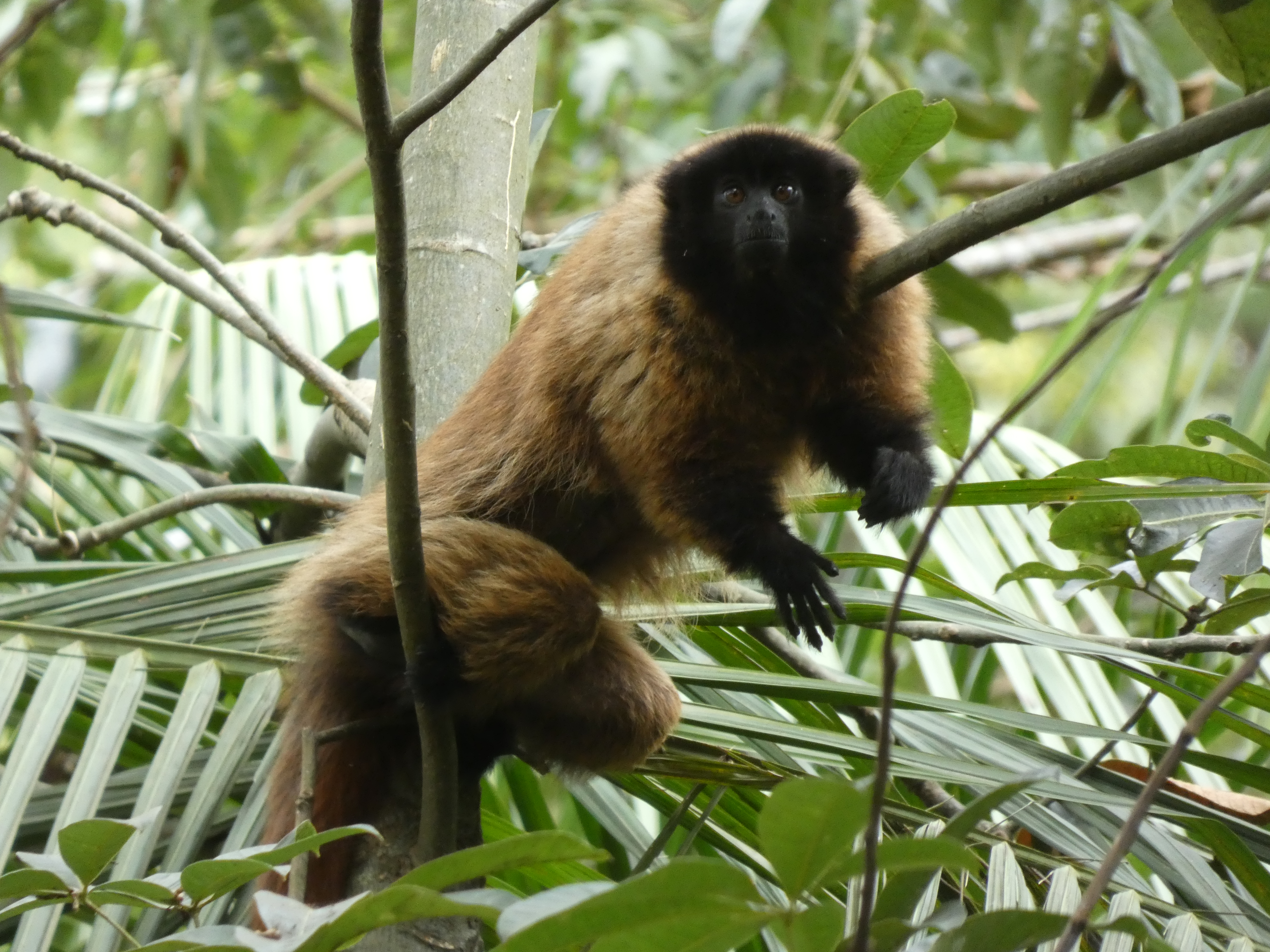
Moving south to the Una region near Ilhéus, we devote two days to tracking down the stunning Golden-headed Lion Tamarin, one of four lion tamarin species endemic to Brazil. Yellow-breasted Capuchin is another target here, along with Black-handed Titi and Wied’s Marmoset. Atlantic rainforest endemic birds we hope to find include Golden-capped Parakeet, White-bellied Tanager and Bare-throated Bellbird.
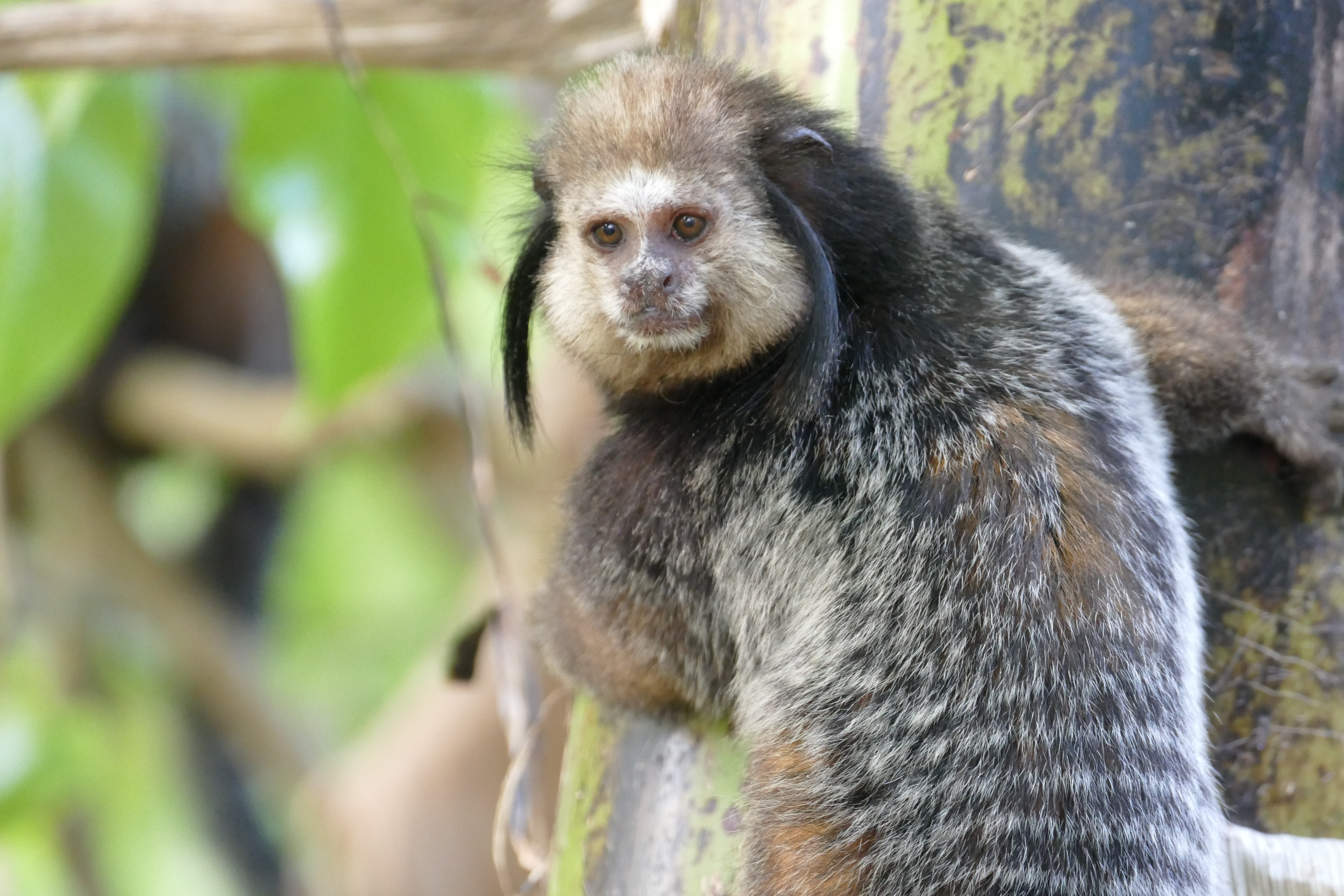
In Espírito Santo, the vast Vale Natural Reserve offers opportunities to seek out Atlantic (Masked) Titi, Robust Capuchin, Brown Howler and Geoffroy’s Tufted-ear Marmoset, while a visit to the charming mountain town of Santa Teresa provides chances for Southern Maned Sloth and both Buffy-headed (critically endangered) and Black-tufted Marmosets. There will also be more endemic birds to look for with Red-billed Curassow and Red-browed Parrot amongst the possibilities, along with an impressive range of hummingbirds which could include Frilled Coquette, Swallow-tailed Hummingbird and Planalto Hermit.
Another likely highlight will be a morning in Silva Jardim with the research team from the Golden Lion Tamarin Association, where we hope to see this endangered primate and learn about one of the world’s most celebrated conservation success stories.
Led by WildWings’ expert Brazilian guide Regina Ribeiro, this promises to be a fantastic journey looking for some of South America’s most threatened mammal species plus some great birds.
Day 1: DEPART UK FOR SALVADOR
We will depart on an overnight flight to Sao Paulo with an onward connection to Salvador.
Day 2: ARRIVE SALVADOR AND TRANSFER TO PRAIA DO FORTE
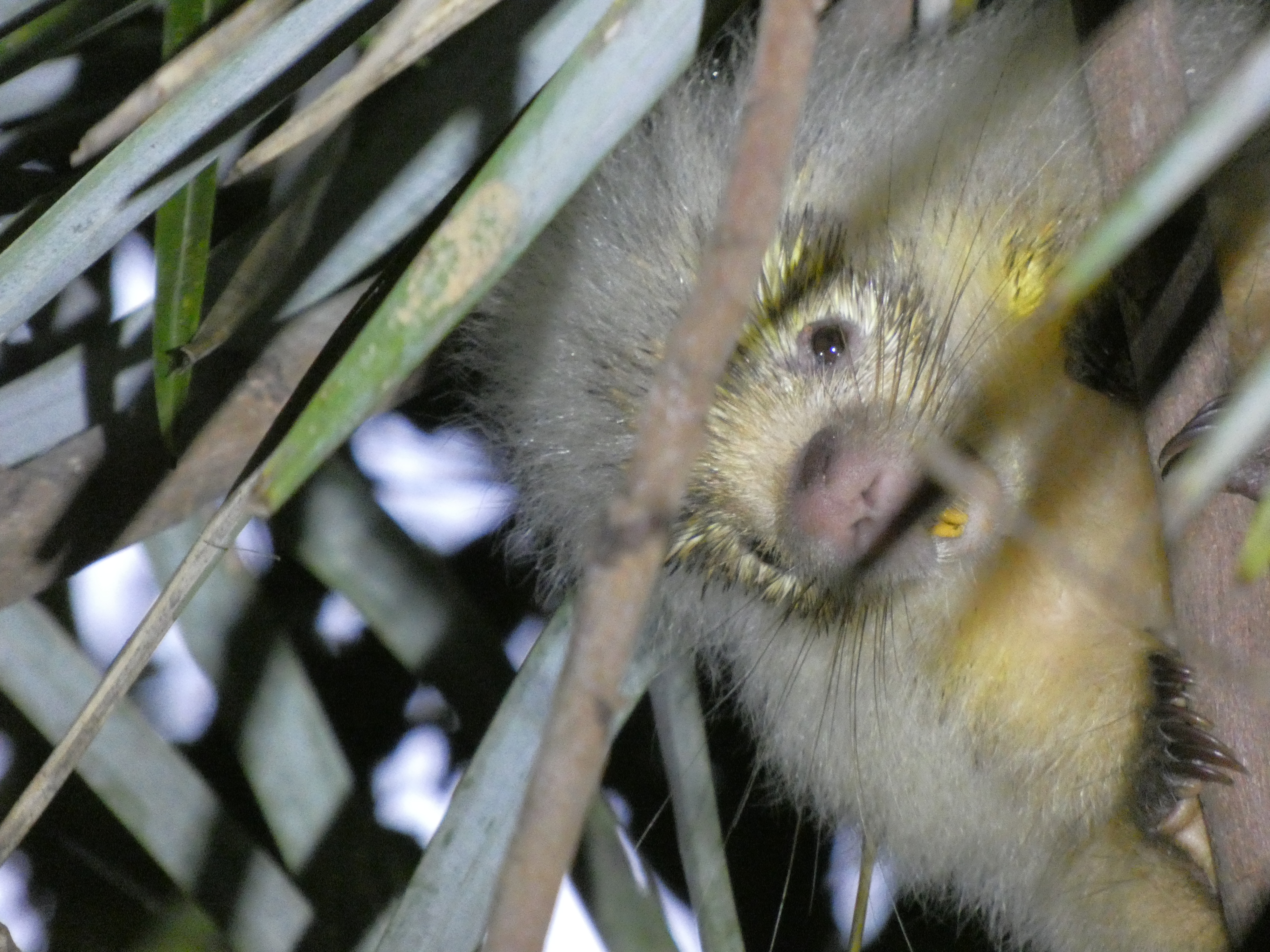
Subject to flight times, we hope to arrive in Salvador by late morning and will then transfer north for approximately one hour (60 km) to Praia do Forte. After checking in at our comfortable hotel and having lunch, we will make our first visit to the area around Arua where we plan to walk along quiet roads in search of highly sought-after mammals which could include Northern Maned Sloth, Bristle-spined Porcupine and Bahian Hairy Dwarf Porcupine.
Other mammals we could find here include Common Marmoset and White-eared Opossum, however, the birdlife is also exceptional, with a number of threatened Atlantic Forest endemics such as Golden-tailed Parrotlet, Fringe-backed Fire-eye, Bahia Antwren and White-winged Cotinga. Other more widespread possibilities include Channel-billed Toucan, Red-headed Manakin, White-bearded Manakin, Pale-bellied Tyrant-Manakin and Moustached Wren. Night Praia do Forte
Day 3: PRAIA DO FORTE
We have the full day to continue our exploration of the Arua area which has one of the highest densities of Northern Maned Sloths anywhere in the world.
This endemic species which only occurs in the states of Bahia and Sergipe is increasing coming under pressure from urban development. However, the team at this reserve are involved in a project to install canopy bridges between forest fragments to allow sloths and other arboreal animals to move safely between remaining areas of habitat. Second night Praia do Forte
Day 4: TRANSFER FROM SALVADOR TO ILHÉUS
We will have a further opportunity during the early morning to look for any species we may not have seen before heading south to Ilhéus. Depending on flight times, we will either drive (just under 500kms) or fly.
After checking in to our comfortable beachside hotel which is located about 15 miles to the south of Ilhéus, there may be time to begin looking for wildlife. Night Ilhéus
Days 5-6: UNA REGION
We have two full days scheduled to explore the Una Biological Reserve and other areas and after an early breakfast, plan to drive for approximately 40 minutes to the best areas of forest.
Both days will be devoted to searching for the stunning Golden-headed Lion Tamarin, a species which is classified as endangered by the IUCN with a world population which may be as low as 2,500 mature individuals.
With the assistance of a local guide, we have a great chance of finding this charismatic miniature primate, however, there are several other threatened species to look for in this region including Yellow-breasted Capuchin.
We hope to find both Wied’s Marmoset and Black-handed Titi which whilst more numerous than the two aforementioned species, nevertheless, are both still regarded as vulnerable to extinction.
The reserve is also outstanding for birds with a host of Atlantic Forest endemics with Golden-capped Parakeet, White-bellied Tanager and Bare-throated Bellbird amongst the specialities we hope to see. Two further nights Ilhéus
Day 7: ILHÉUS TO VITÓRIA
This will largely be a travel day with a flight from Ilhéus to Vitória, however, depending on flight schedules, there may either be the opportunity for some final wildlife watching near Ilhéus before we head to the airport or around Vitória on arrival there. Night Vitória
Day 8: VALE NATURAL RESERVE
We plan to make an early departure from our hotel for the Vale Natural Reserve which is approximately three hours north of Vitória. Owned by the Brazilian multinational Vale, this vast 23,000-hectare reserve protects a magnificent area of Atlantic rainforest, including the remarkable Tabuleiro Coastal Tableland Forest where trees reach heights of over 40 metres.
When taken together with the adjacent Sooretama Biological Reserve, the Vale Natural Reserve protects one of the largest remnants of southeastern Atlantic coastal lowland rainforest and from a wildlife perspective, these forests share many species with the Amazon. This makes it a truly exceptional site for both mammals and birds and our primate targets include Crested Capuchin, Atlantic (Masked) Titi, Geoffroy’s Tufted-ear Marmoset and Brown Howler Monkey.
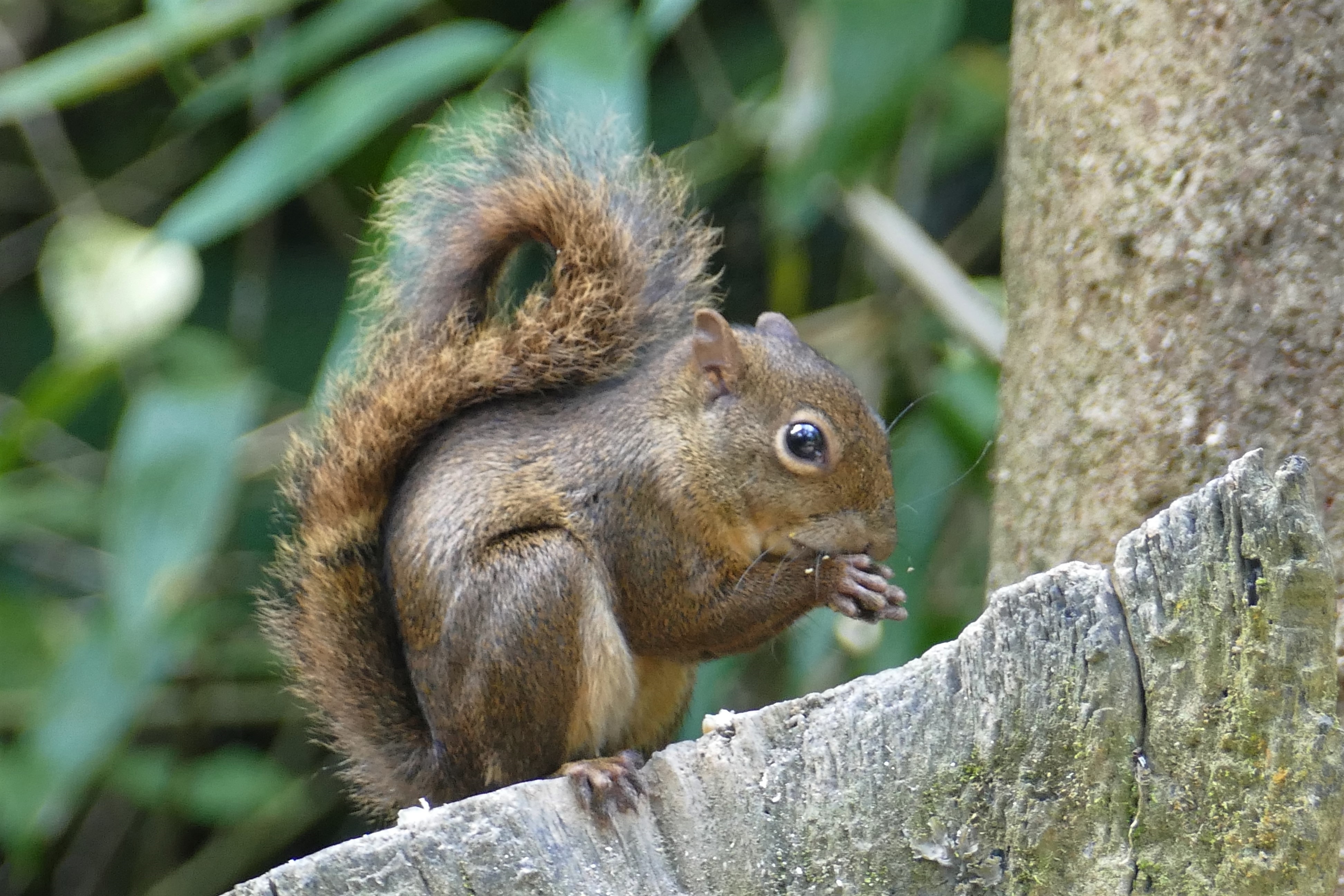
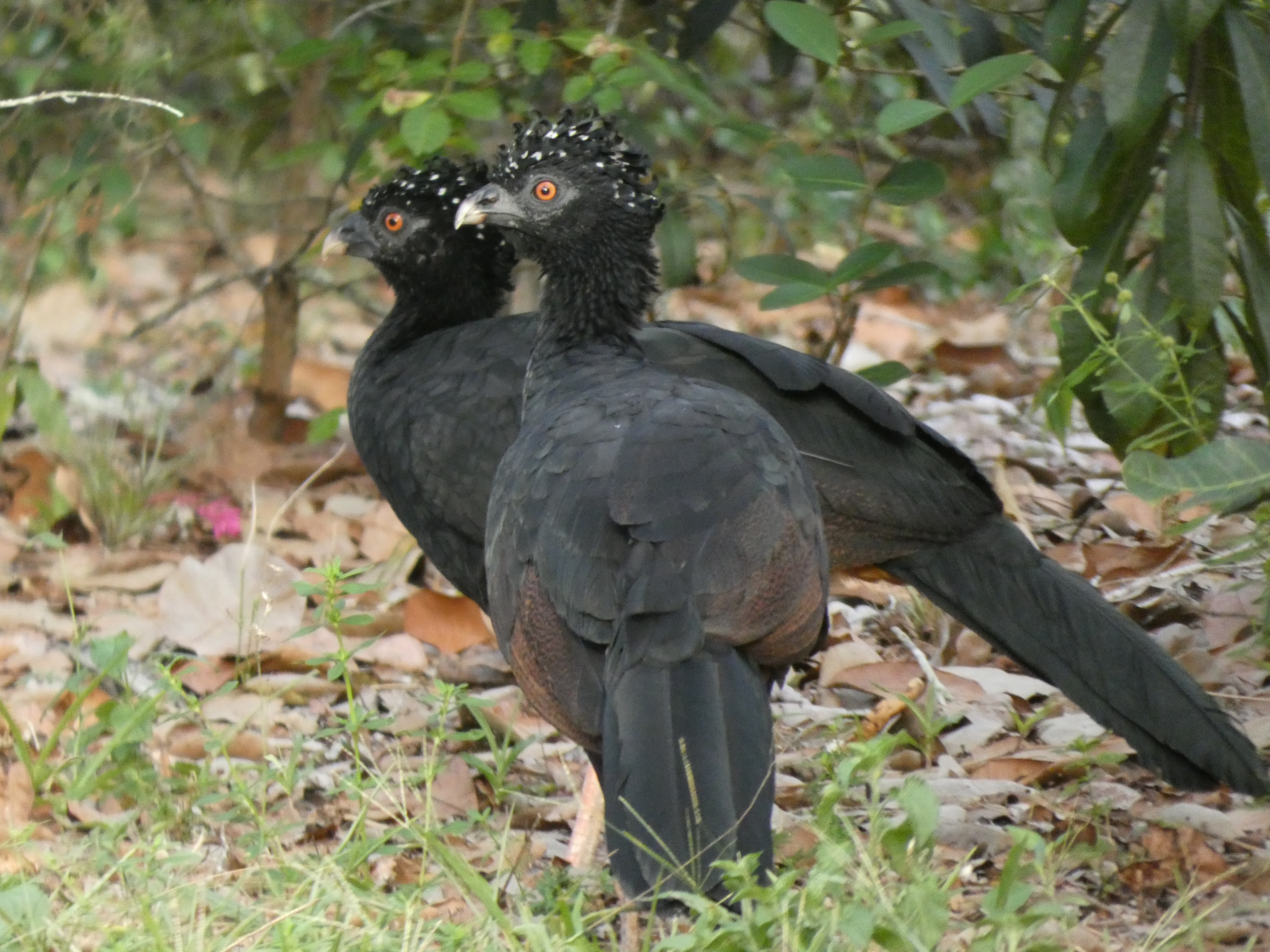
We may well also find more widespread mammals such as Red-rumped Agouti and with over 400 species of birds having been recorded at the reserve, we can expect to see a good range of species during our visit. Amongst those we could see is Red-billed Curassow, as the reserve protects the largest remaining population of this species, however, like all cracids, this bird requires a degree of luck to find.
Other Atlantic rainforest endemics we could see include Ochre-marked Parakeet, Black-cheeked Gnateater, Robust Woodpecker and Black-headed Berryeater with many other species also possible.
After a full day in the reserve, we will drive to Linhares in the early evening where we will spend the night. Night Linhares
Day 9: VALE NATURAL RESERVE
We plan to have a second day to continue exploring this outstanding reserve, with further opportunities to look for any mammals we may not have encountered the previous day.
We can also expect to encounter more birds with further Atlantic rainforest endemics such as Red-browed Amazon, Maroon-faced Parakeet, Minute Hermit and the critically endangered Banded Cotinga all possible.
After a full day at the reserve, we will return to Linhares. Second night Linhales
Day 10: SANTA TERESA
We plan to leave our hotel in the early morning for the 2.5 hour drive to the charming mountain community of Santa Teresa.
Founded by Italian immigrants, the town is situated in the mountains of Espírito Santo and provides access to the Augusto Ruschi Biological Reserve, where our goal will be to find the Southern Maned Sloth. Like so many of the species we will look for on this tour, this species is classified as endangered by the IUCN.
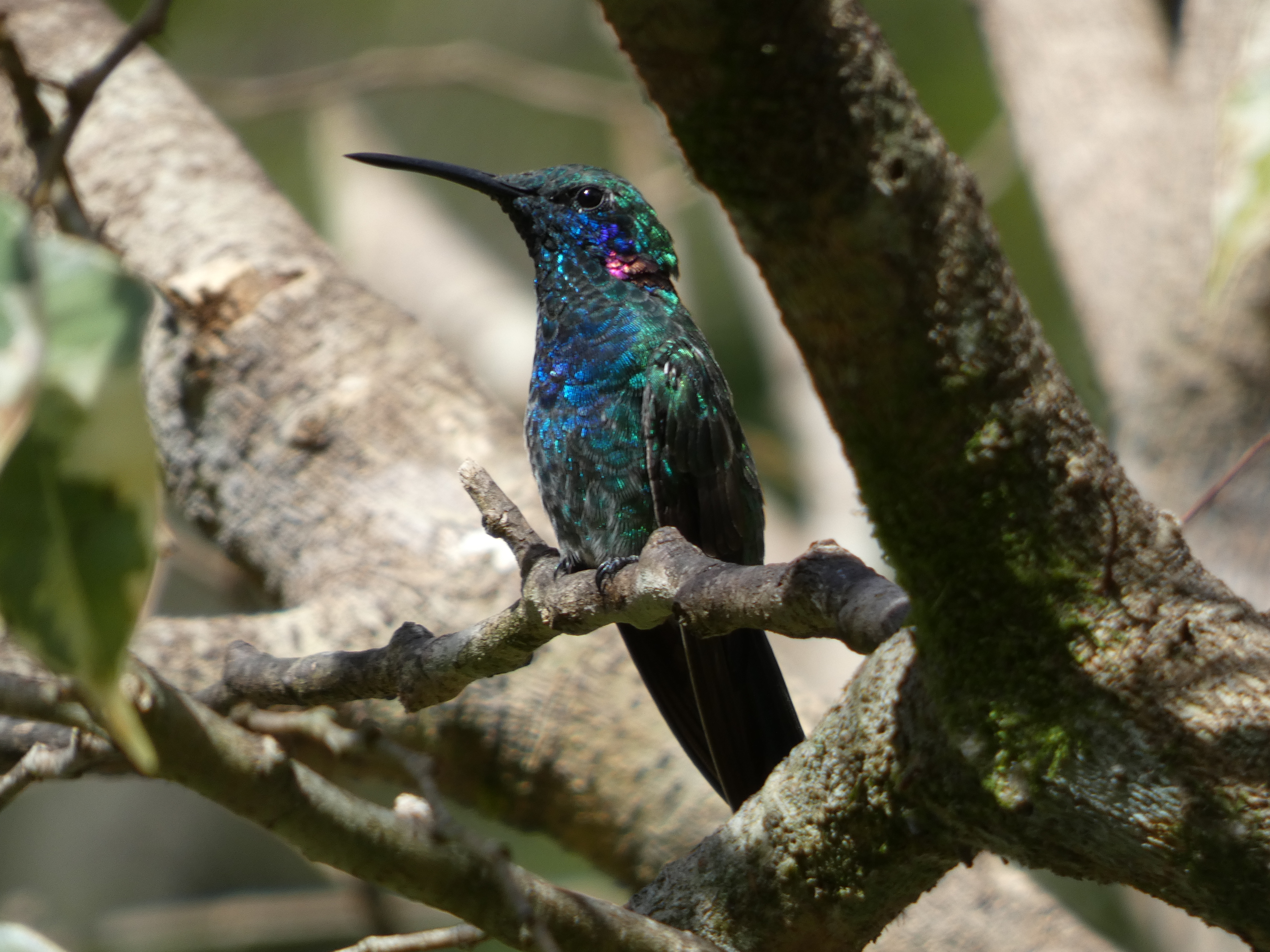
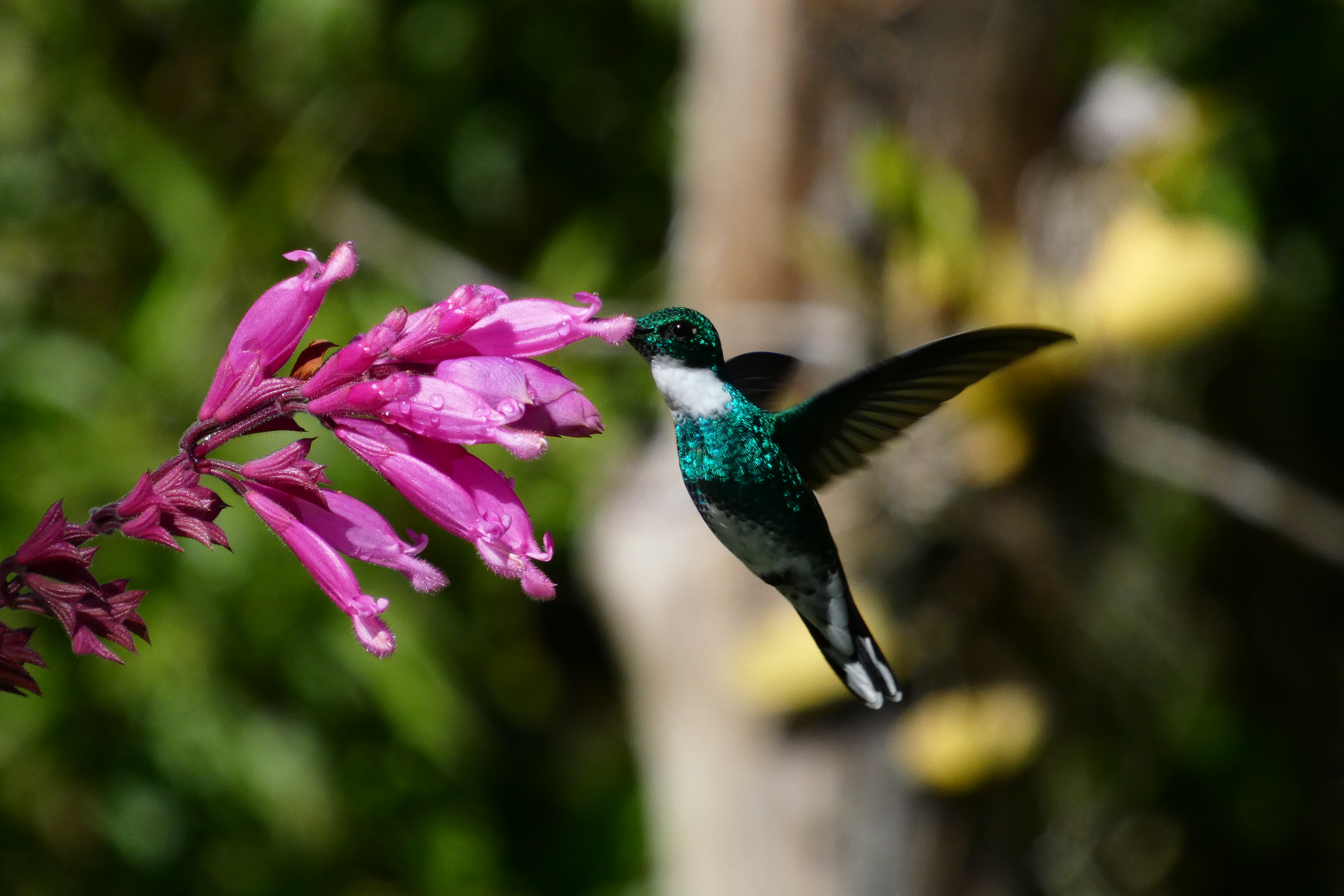
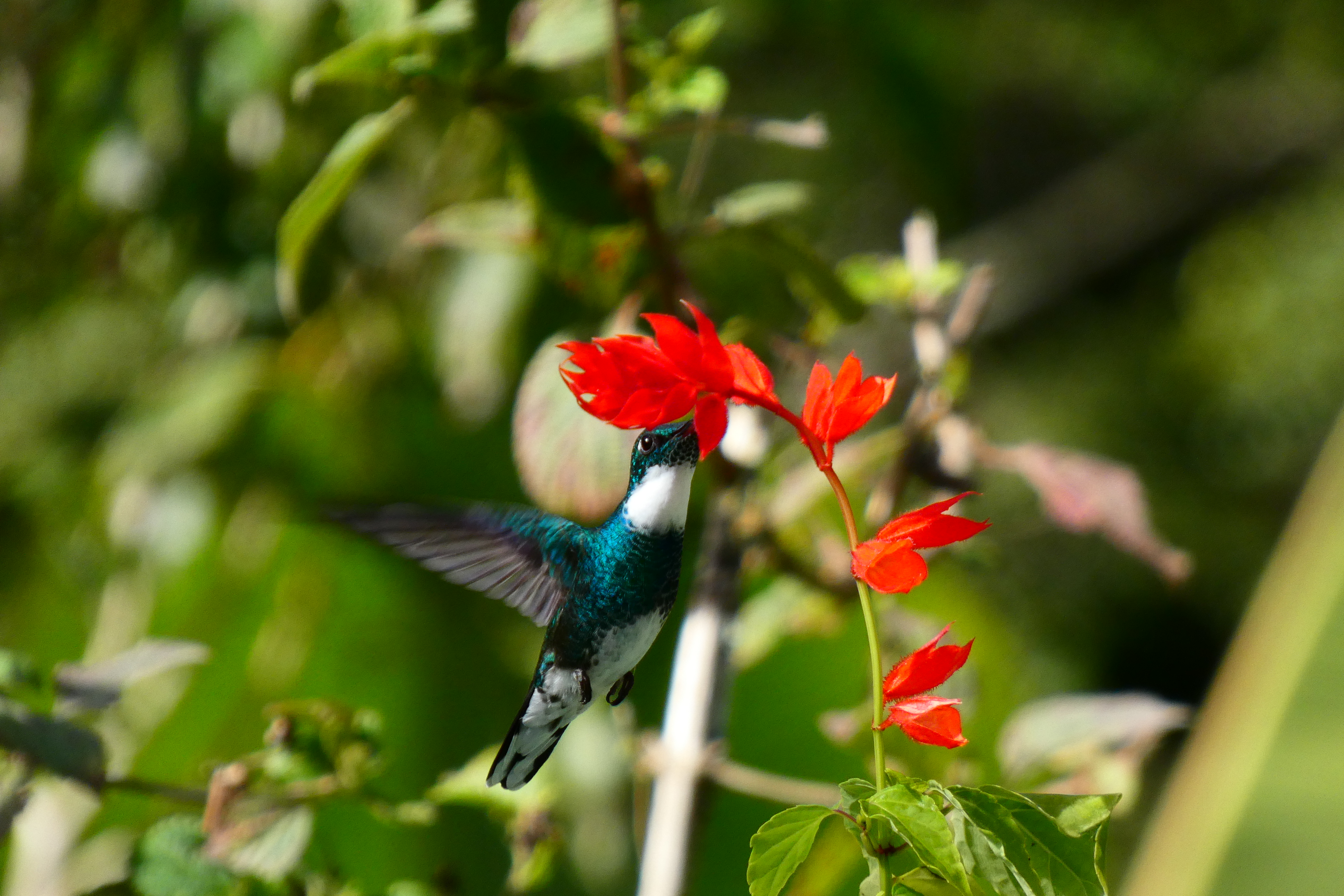
Our lodge is one of the best places in the region to observe and photograph hummingbirds with Frilled Coquette, White-throated Hummingbird, Swallow-tailed Hummingbird, White-vented Violetear, Black Jacobin, Violet-capped Woodnymph, Planalto Hermit and Rufous-breasted Hermit all possible. Other birds in the area include Spot-billed Toucanet, Crescent-chested Puffbird, Variegated Antpitta, Least Pygmy-Owl and Chestnut-crowned Becard.
In the afternoon, we will drive to a nearby site to look for the critically endangered Buffy-headed Marmoset. Night Santa Teresa
Day 11: SANTA TERESA TO VITÓRIA TO RIO DE JANEIRO
We have a final morning around Santa Teresa to search for any remaining species we may not have seen, with one option being to visit a different location where Black-pencilled Marmoset can usually be found.
After lunch, we will drive to Vitória Airport for a flight to Rio de Janeiro, arriving in the evening. Night Rio de Janeiro
Day 12: SILVA JARDIM. RIO DE JANEIRO. FLY HOME
Making an early start from our hotel, we will drive for approximately two hours to Silva Jardim which is the stronghold of one of Brazil’s most iconic primates, the endangered Golden Lion Tamarin. This species is endemic to the lowland Atlantic coastal rainforest of Rio de Janeiro State and has been the subject of one of the world’s most celebrated and successful conservation programmes.
We will spend the morning searching for the tamarins alongside the research team of the Golden Lion Tamarin Association which will give us a fascinating insight into the conservation work being carried out to protect both the species and its remaining habitat.
After the visit, we will return to our hotel in Rio de Janeiro to pack, change and then head to the airport for an overnight flight back to the UK.
Day 13: ARRIVE UK
Arrival in the UK where our mammals and birds tour to the Brazilian Atlantic rainforests concludes.
WHAT TO EXPECT
A 13-day mammal-focused wildlife tour to the Brazilian Atlantic rainforest with the emphasis on many of the rarer species of this highly threatened biome.
We will also look for some of the iconic birds which occur in this region but participants should understand that we will not be chasing a big list of “little brown jobs”.
Like most of our tours to tropical regions, there will be early starts and late finishes. Except on travel days, all trips are optional but you are obviously encouraged to join them all.
It is important to appreciate that Brazil is a huge country and driving from Salvador in the north to Rio de Janeiro would take a considerable time. As a result, we plan to take several internal flights to reduce the amount of time spent travelling overland.
WEATHER
Throughout the course of this holiday, we will be in the tropics travelling from Salvador at 12°S to Rio de Janeiro at 23°S. Temperatures are likely to be warm to hot throughout with likely highs of 30°C although it will be cooler when we are in the mountains around Santa Teresa where we will be at altitudes of around 700 metres.
Although we are not visiting during the wet season, we still may encounter an occasional and sometimes heavy downpour.
TRANSPORT
All road transport is in comfortable minivans or other suitable vehicles depending on the group size.
Luggage space is limited so soft bags rather than large hard suitcases are preferable.
It is important to appreciate that there are a number of days when we will be driving for several hours, however, we plan to break these up with stops to look for wildlife where possible.
INTERNAL FLIGHTS
The land only price starts in Salvador and includes three flights (ie Salvador to Ilhéus, Ilhéus to Vitória and Vitória to Rio de Janeiro).
ACCOMMODATION
Throughout our holiday, we plan to use a number of 3-star hotels which have comfortable rooms with private facilities.
MEALS
Meals will be planned around our daily activities and will not necessarily be at fixed times. If our activities are in the vicinity of the hotel, we may return for breakfast after an early morning excursion but when travelling further afield, we may take food with us.
Lunches will either be taken at the hotels, at restaurants when travelling between locations, or on some days when we are out of the field all day, we may have packed lunches.
Evening meals will be taken at our hotel or a local restaurant.
For most of meals, the price includes a set menu (with options) but participants will have the option to pay locally for more expensive choices, eg top cuts of meat, lobster etc.
WALKING
Most walks will be of a moderate distance along roads and good tracks, however, there may be occasions when we have to go off the trails to look for some species. You should expect to be walking (albeit slowly) for several hours at a time in hot and potentially humid conditions.
Although we will visit the mountain around Santa Teresa, the altitude will not be significant with most of the tour in regions closer to sea level.
PHOTOGRAPHY
There should be some excellent photographic opportunities and we would expect to get close views of a number of species.
Tour Gallery
View a gallery of images for this tour below, click on an image to view as full size with caption
Ask About This Tour
If you have any questions about this tour, please enter your details here and we will get back to you as soon as possible.
Alternatively, contact us by email or phone. We look forward to hearing from you!
- 0117 965 8333
- [email protected]
Or complete the contact form and we will endeavour to get back to you as soon as possible.
* = required field