Falklands, South Georgia and Antarctic Peninsula
Ship: m/v Heritage Discoverer
Explore Antarctica and the incredible islands of the Falklands and South Georgia over Christmas and New Year
A cruise to the Falkland Islands, South Georgia and the Antarctic Peninsula is an incredible and truly life-changing experience combining the “Great White Continent” with two very different but equally amazing subantarctic islands.
Unlike many other voyages which combine these destinations, this cruise will spend multiple days around the Peninsula.
As a result, we consider this voyage is an extremely comprehensive itinerary and for clients booking the 21 December 2027 departure, you will travel over Christmas and New Year making for a truly unforgettable festive season.
Tour Dates & Prices
Tue 2nd November 2027
Tue 23rd November 2027
- Phone Us to Book
Tue 21st December 2027
Tue 11th January 2028
- Phone Us to Book
Tour Cost: 22 Days from £18800 * excluding flights
* The price and deposit quoted above is per person for the most basic cabin.
What's Included?
- All meals throughout the voyage aboard the ship including snacks, coffee and tea.
- All shore excursions and activities throughout the voyage by zodiac.
- Programme of lectures by noted naturalists and leadership by experienced expedition staff.
- Luggage transfer from pick-up point to the vessel on the day of embarkation in Ushuaia.
- Group transfer from the vessel to the airport in Ushuaia directly after disembarkation.
- All miscellaneous service taxes and port charges throughout the programme.
- Comprehensive pre-departure material.
Cost Excludes
Any airfare, whether on scheduled or charter flights. Pre- and post-land arrangements. Passport and visa expenses. Government arrival and departure taxes. Meals ashore. Baggage, cancellation and personal insurance (which is strongly recommended). Excess baggage charges and all items of a personal nature such as laundry, bar, beverage charges and telecommunication charges. The customary gratuity at the end of the voyages for stewards and other service personnel aboard (guidelines will be provided).
Additional Information
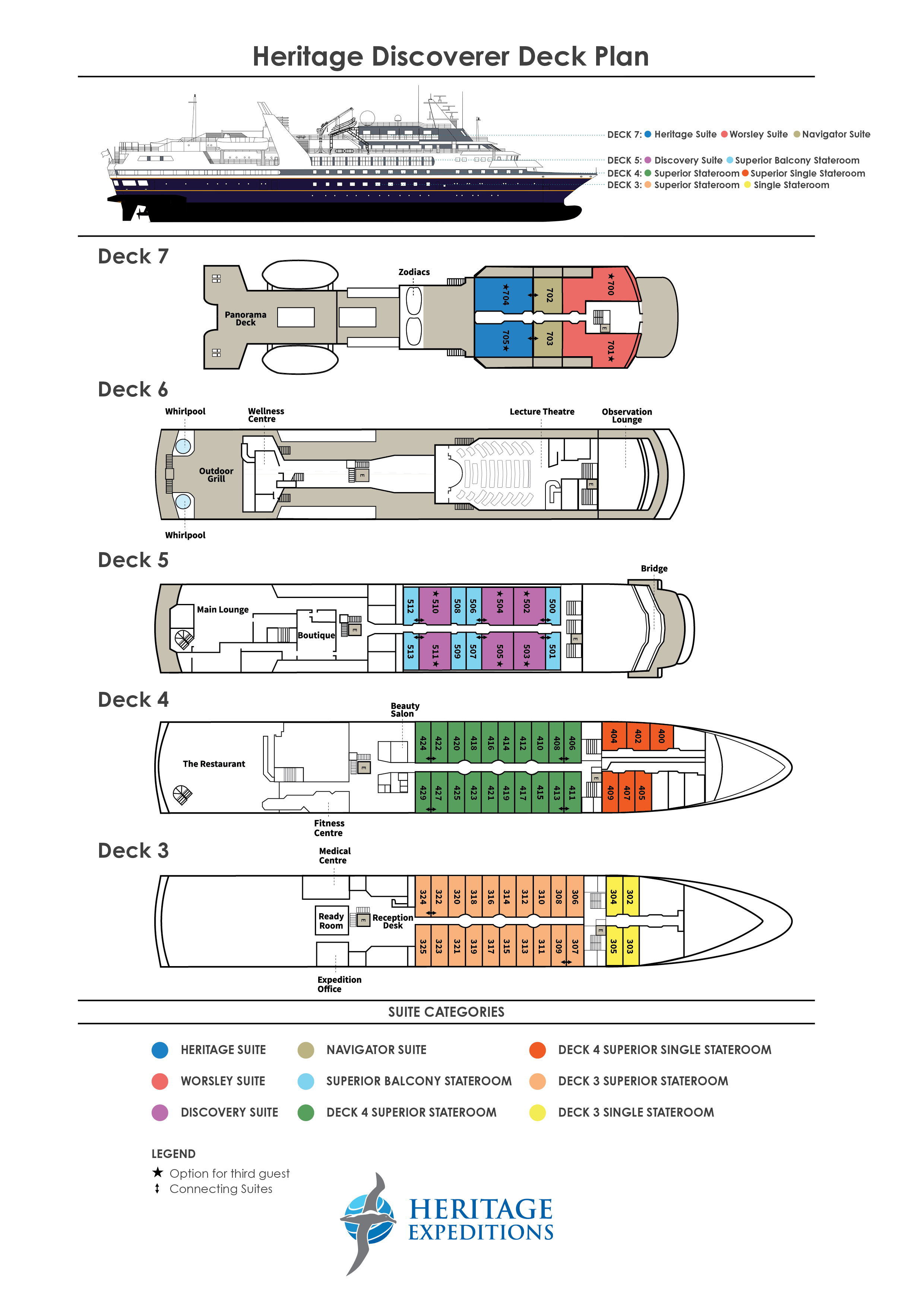
- Deck 3 Superior: £18,800 per person
- Deck 3 Single: £21,900 per person
- Deck 4 Superior: £19,600 per person
- Deck 4 Single: £23,400 per person
- Deck 5 Balcony: £22,900 per person
- Deck 5 Discovery Suite: £25,700 per person
- Deck 7 Navigator Suite: £26,400 per person
- Deck 7 Worsley Suite: £32,000 per person
- Deck 7 Heritage Suite: £32,700 per person
The Cruise Cost is the amount you will pay Wildwings.
For all expedition cruises, we work very closely with a dedicated agent at Travel Counsellors, Sacha Barbato, who is essentially now our “in house” flight consultant and we recommend using him for your flights. Sacha is a highly experienced independent ATOL bonded travel agent, and his contact details are as follows: [email protected] and 01603 360099 He will be able to advise you which flights we are recommending for each cruise and will be able to book these for you. This will also sometimes give you the option to travel from a regional airport if you prefer. Please note that for all expedition cruises, Wildwings is acting as agent for the ship operator and you will need to sign up to their terms and conditions.
Tour Cost: 22 Days from £20900 * excluding flights
* The price and deposit quoted above is per person for the most basic cabin.
What's Included?
- All meals throughout the voyage aboard the ship including snacks, coffee and tea.
- All shore excursions and activities throughout the voyage by zodiac.
- Programme of lectures by noted naturalists and leadership by experienced expedition staff.
- Luggage transfer from pick-up point to the vessel on the day of embarkation in Ushuaia.
- Group transfer from the vessel to the airport in Ushuaia directly after disembarkation.
- All miscellaneous service taxes and port charges throughout the programme.
- Comprehensive pre-departure material.
Cost Excludes
Any airfare, whether on scheduled or charter flights. Pre- and post-land arrangements. Passport and visa expenses. Government arrival and departure taxes. Meals ashore. Baggage, cancellation and personal insurance (which is strongly recommended). Excess baggage charges and all items of a personal nature such as laundry, bar, beverage charges and telecommunication charges. The customary gratuity at the end of the voyages for stewards and other service personnel aboard (guidelines will be provided).
Additional Information
- Deck 3 Superior: £20,900 per person
- Deck 3 Single: £24,300 per person
- Deck 4 Superior: £21,750 per person
- Deck 4 Single: £26,000 per person
- Deck 5 Balcony: £25,450 per person
- Deck 5 Discovery Suite: £28,550 per person
- Deck 7 Navigator Suite: £29,300 per person
- Deck 7 Worsley Suite: £35,550 per person
- Deck 7 Heritage Suite: £36,350 per person
The Cruise Cost is the amount you will pay Wildwings.
For all expedition cruises, we work very closely with a dedicated agent at Travel Counsellors, Sacha Barbato, who is essentially now our “in house” flight consultant and we recommend using him for your flights. Sacha is a highly experienced independent ATOL bonded travel agent, and his contact details are as follows: [email protected] and 01603 360099 He will be able to advise you which flights we are recommending for each cruise and will be able to book these for you. This will also sometimes give you the option to travel from a regional airport if you prefer. Please note that for all expedition cruises, Wildwings is acting as agent for the ship operator and you will need to sign up to their terms and conditions.
Tour Highlights
- Comprehensive 22-day cruise on a comfortable expedition ship with wide choice of cabins, many with balconies
- Visit the Falklands, South Georgia and Antarctica
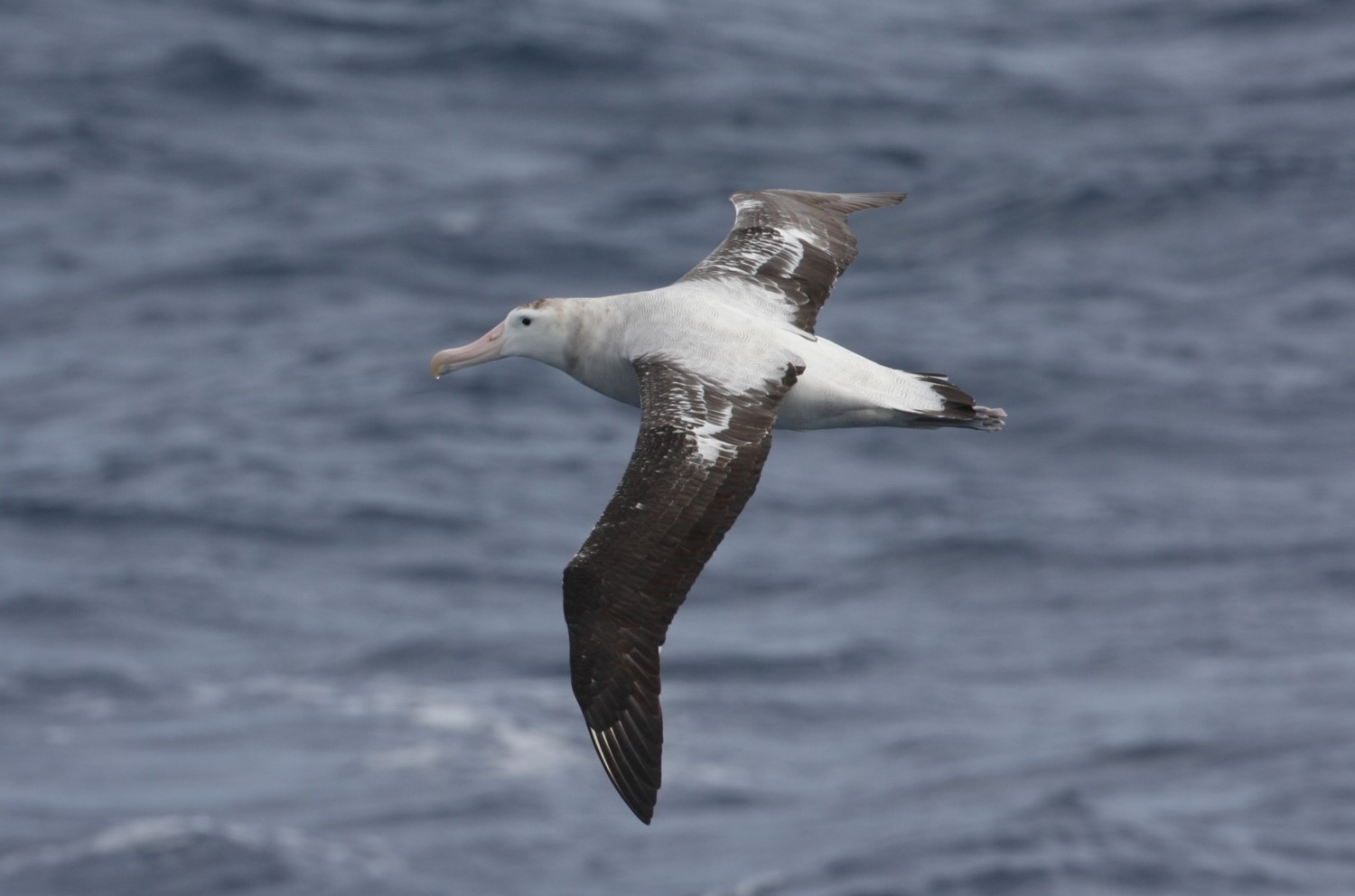
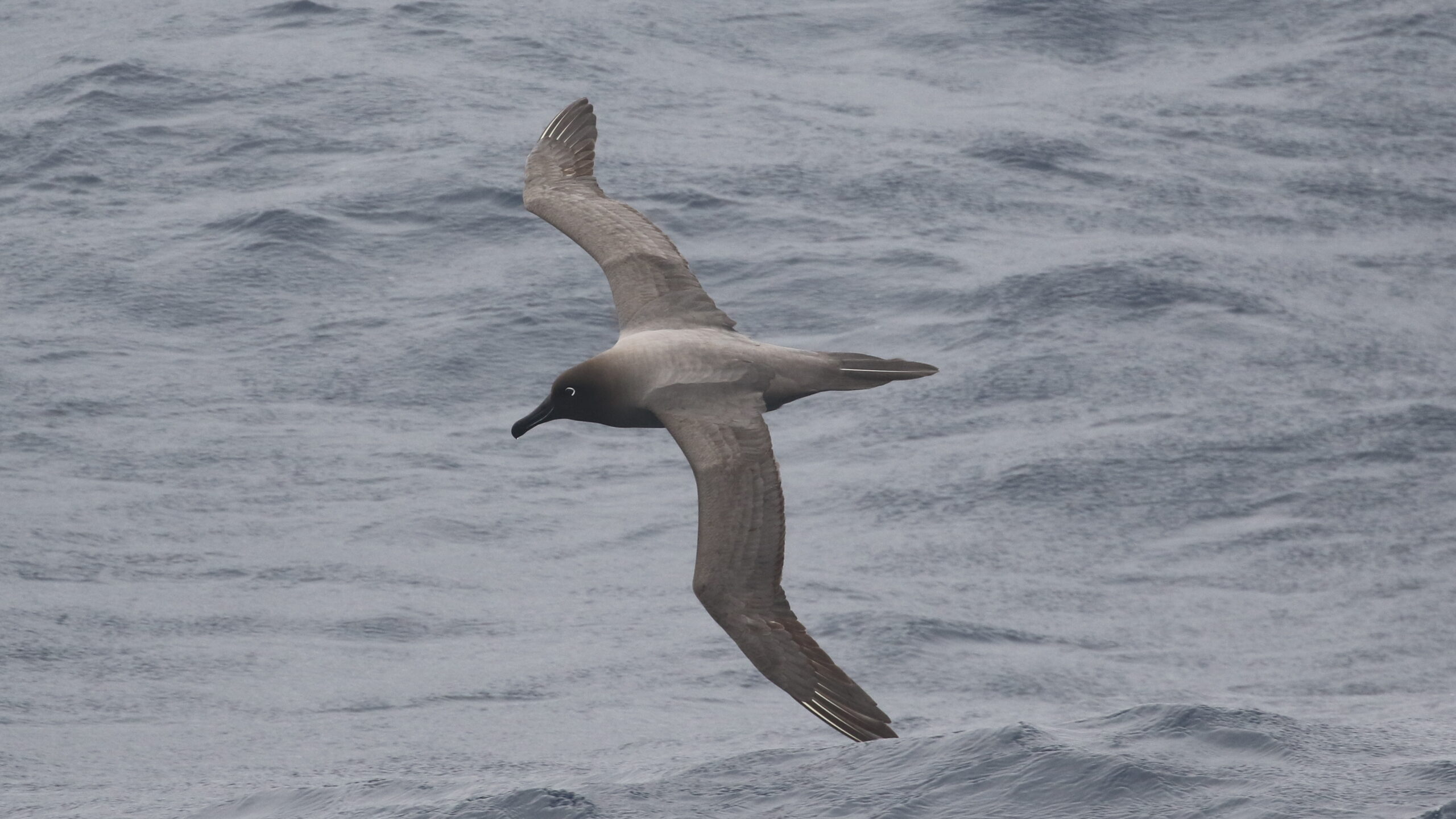
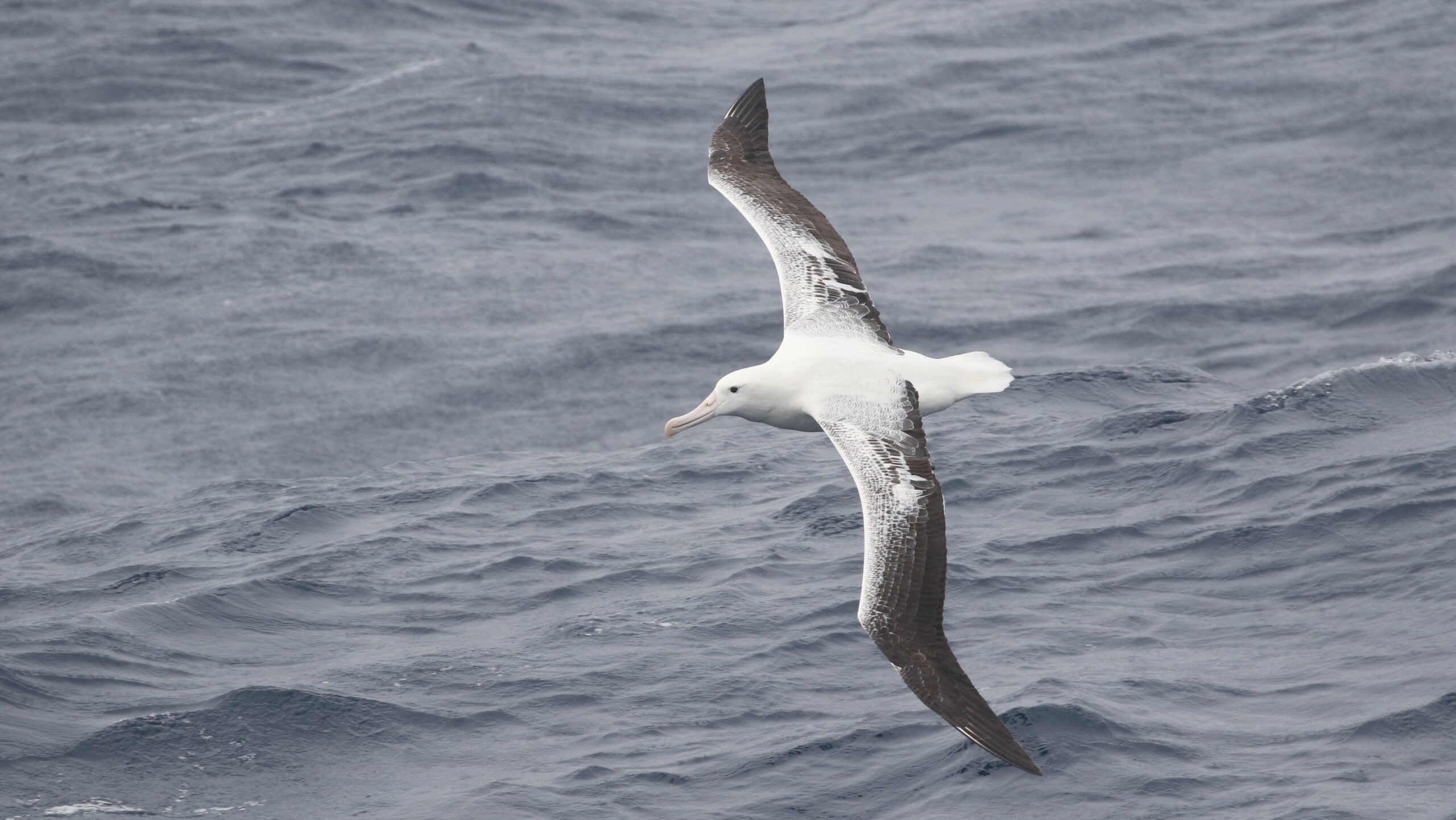
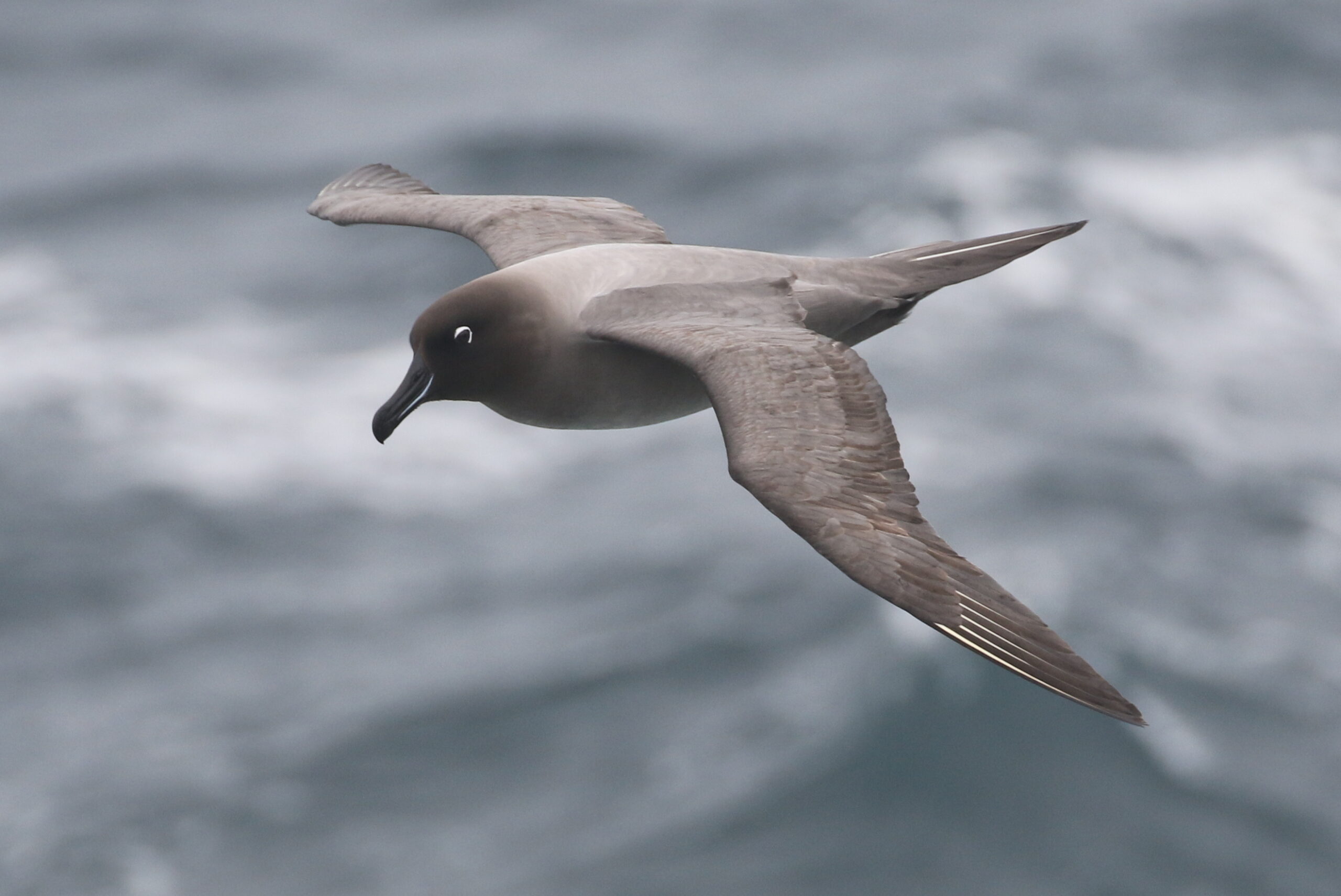
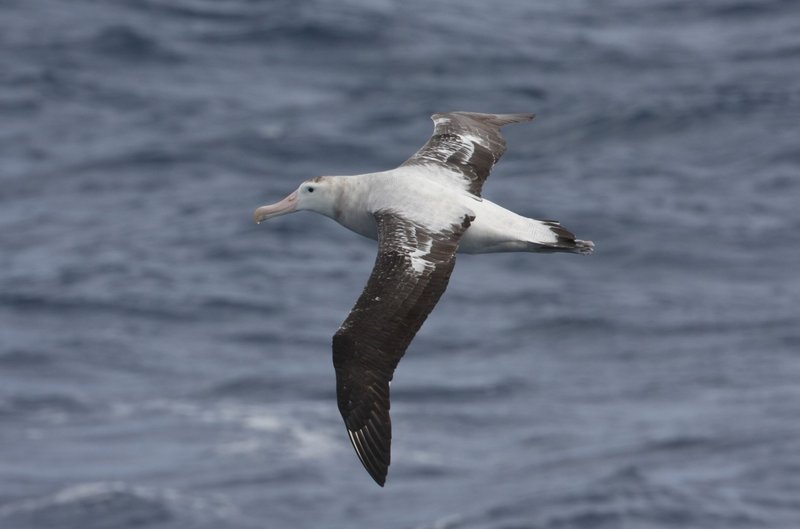
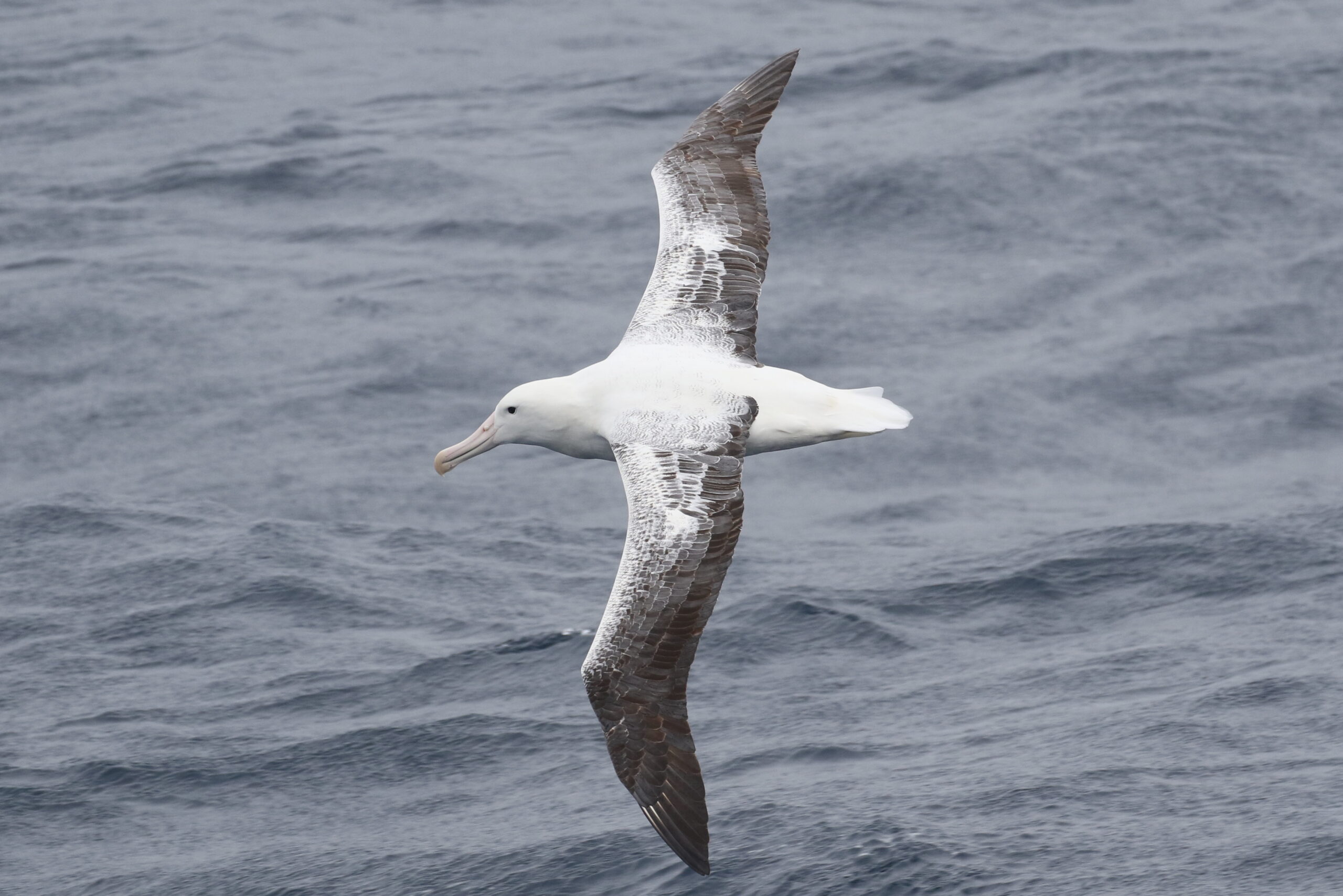
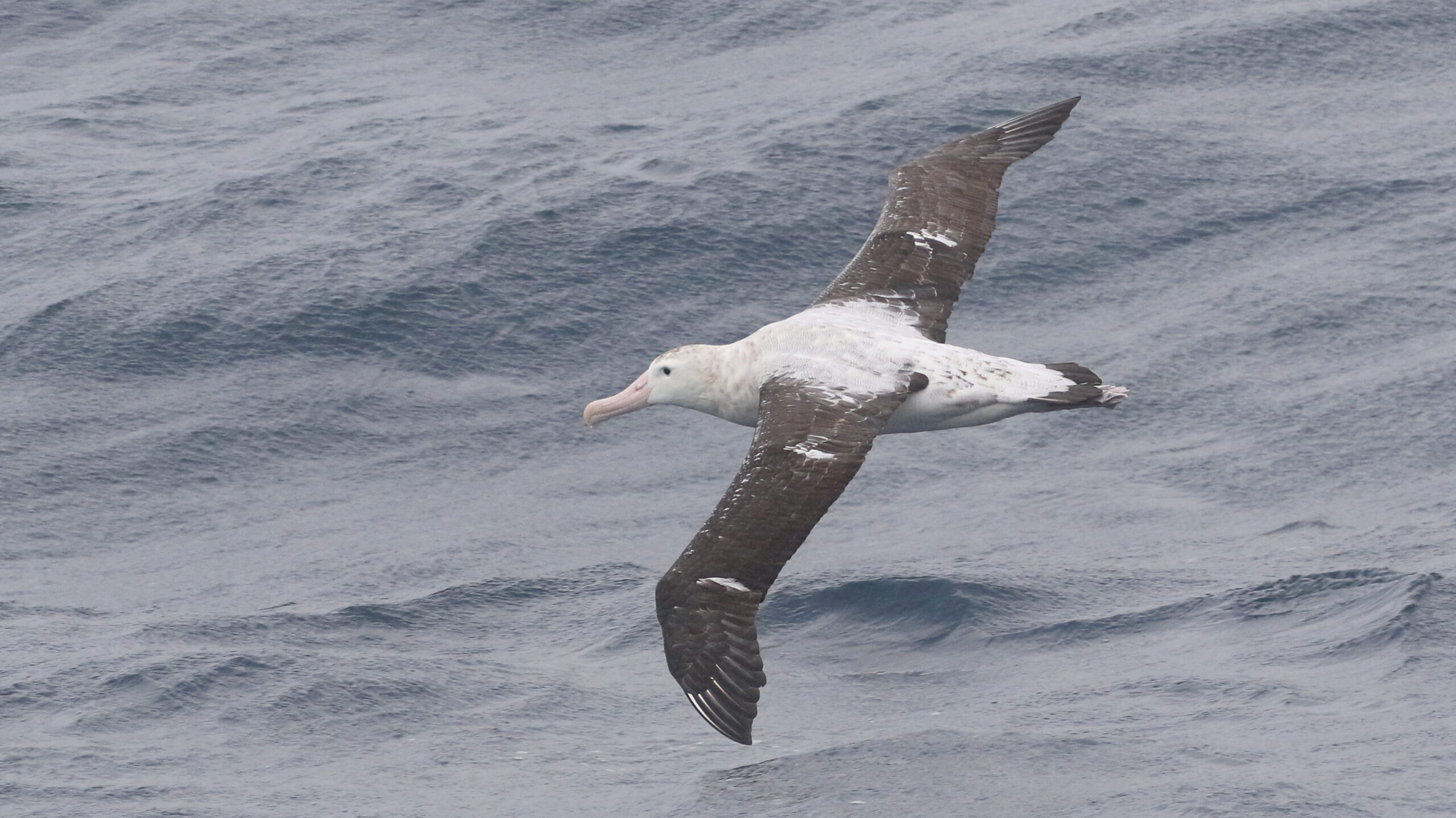
- Excellent chances for Snowy Wandering, Northern Royal, Southern Royal, Black-browed, Grey-headed and Light-mantled Sooty Albatrosses whilst at sea
- Explore the Falkland Islands with planned visit to a Black-browed Albatross colony
- Four days at South Georgia - visit Grytviken where Sir Ernest Shackleton is buried
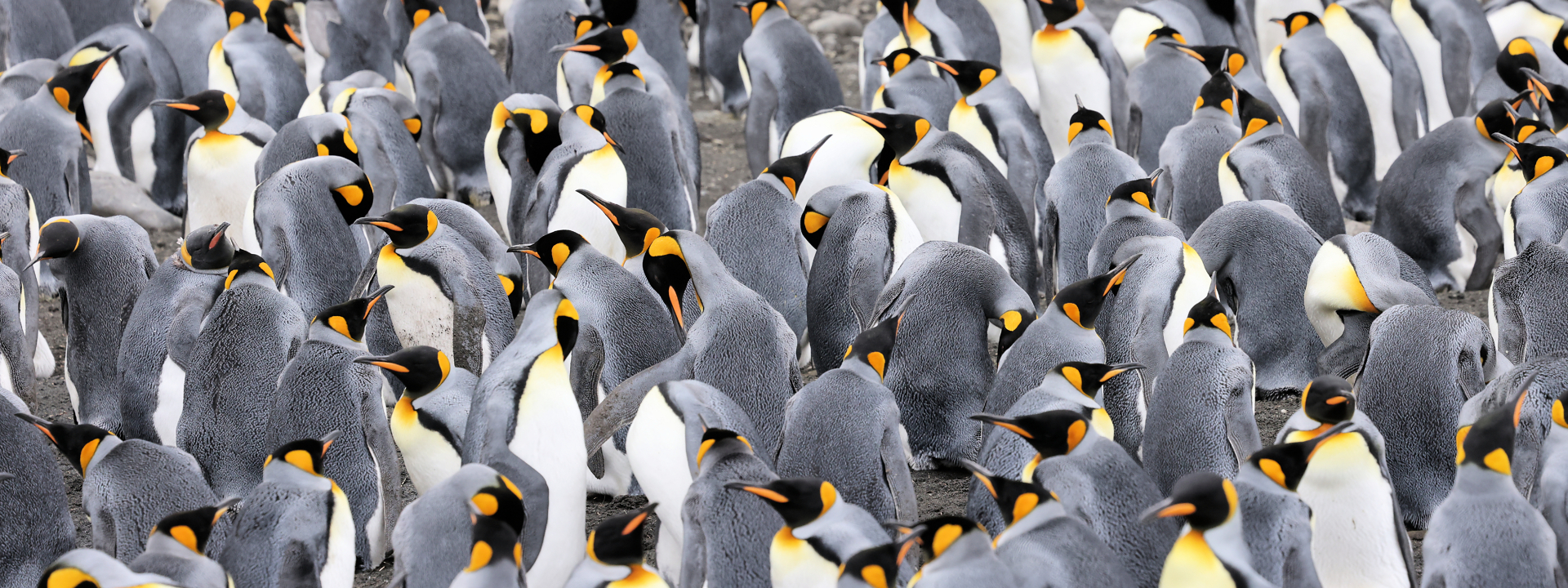
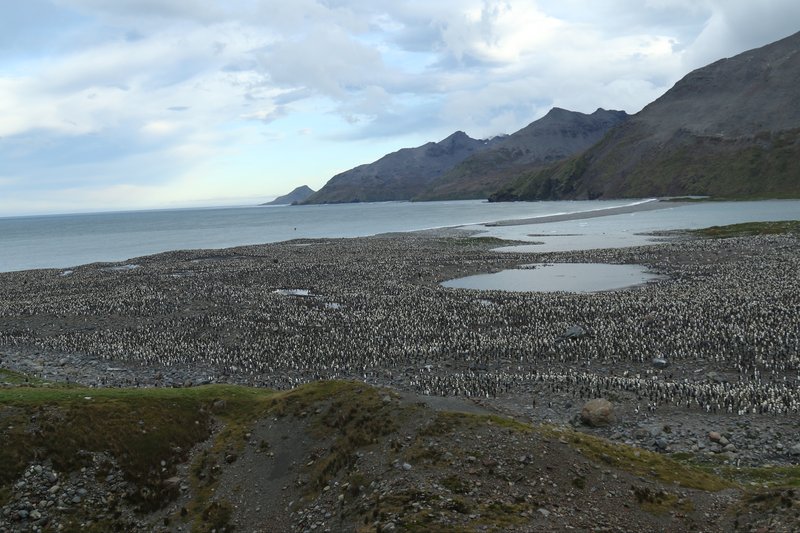
- Other possible landings on South Georgia include sites where tens of thousands of King Penguins breed
- Spend six days exploring the Antarctic Peninsula and South Shetland Islands
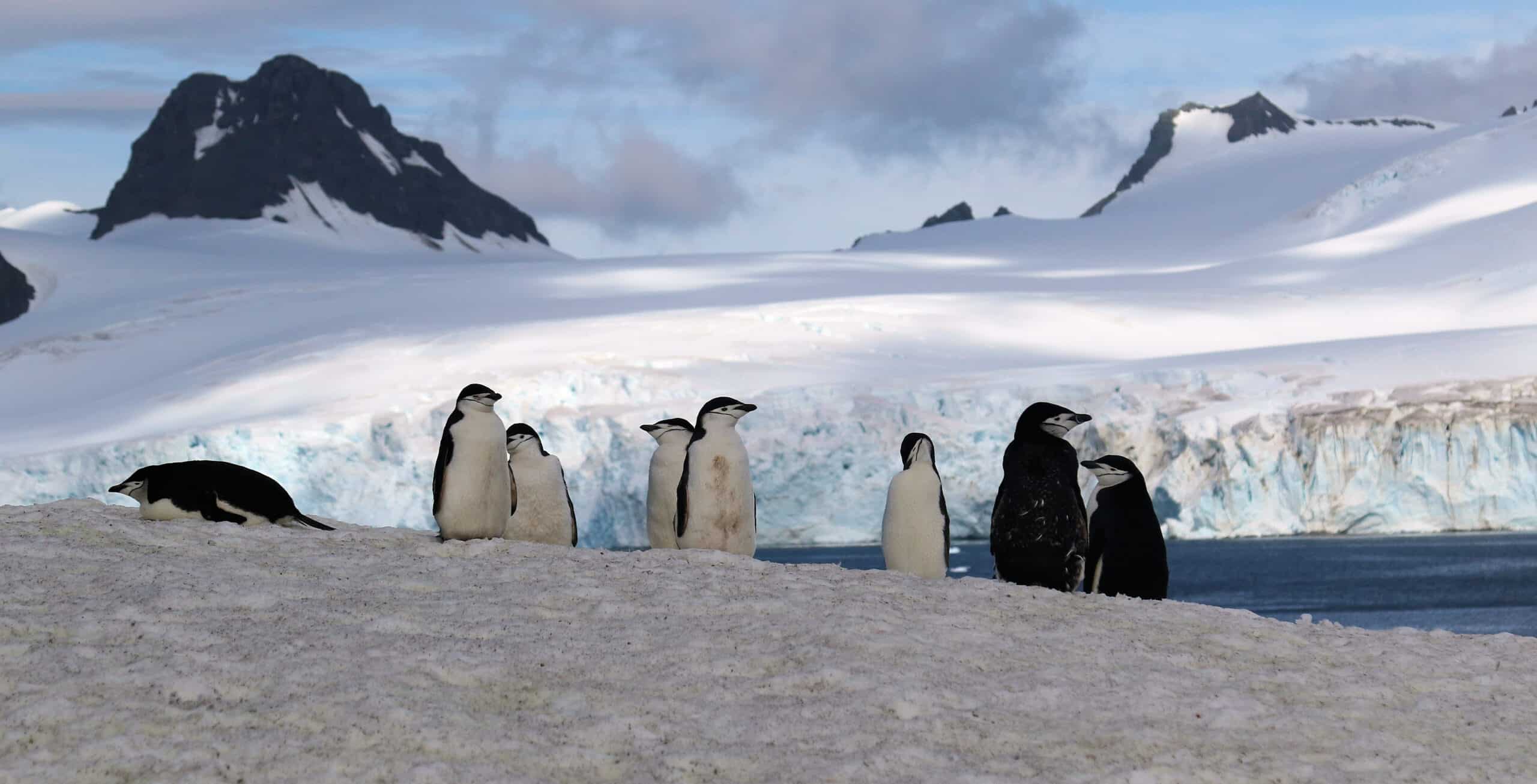
- Expect to see Gentoo, Adelie and Chinstrap Penguins as well as marine mammals such as Crabeater and Weddell Seals and Humpback and Minke Whales
- Cross the Drake Passage on the way back to Ushuaia with chances for more pelagic seabirds
Outline Itinerary
-
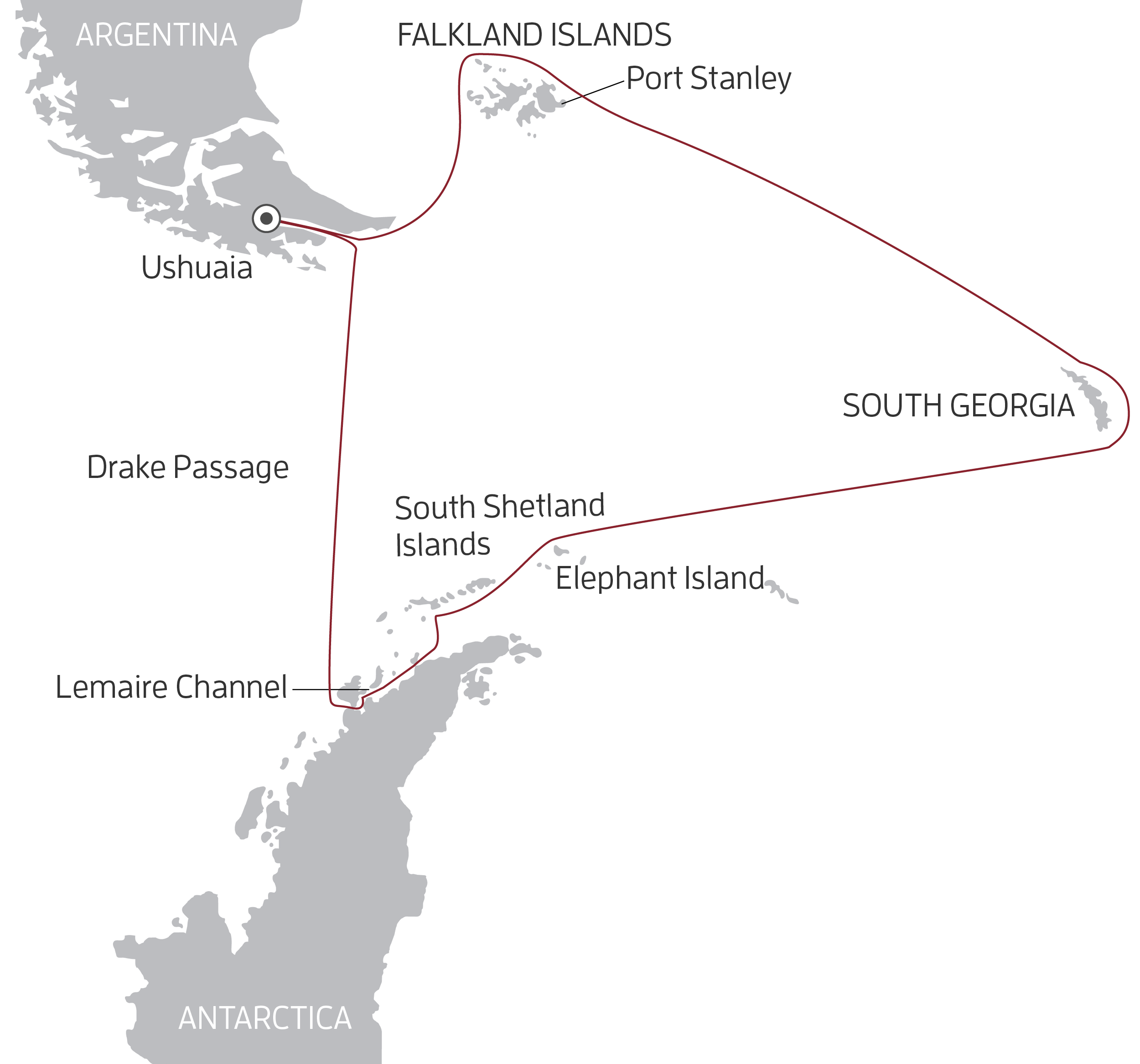
Arrive in and explore Ushuaia
-
Board Heritage Discoverer and sail east down the Beagle Channel
-
At sea
-
Falkland Islands
-
At sea
-
South Georgia
-
At sea
-
South Shetland Islands and Antarctica
-
Drake Passage
-
Ushuaia

For those who can justify the time, a trip that goes to the Falklands and South Georgia as well as Antarctica is an incredible experience as it combines the majesty of the snow and ice of the ‘Great White Continent’ with two very different but equally amazing subantarctic islands.
This trip, however, is different to many others which are available, as it will spend six days around the Antarctic Peninsula and South Shetland Island as well as two day in the Falklands and four days at South Georgia. With the December 2027 departure also occurring over Christmas and New Year, it offers participants a very memorable way to enjoy the festive season.
For anyone keen on birds and wildlife, WildWings would rate the Falkland Islands and South Georgia as more interesting for their natural history than the Antarctic Peninsula. With the possibility of seeing breeding albatrosses on the Falklands and vast King Penguin colonies at South Georgia, these are experiences you will not find further South and both are as awe inspiring as the penguins, ice and snow of the Peninsula.
Generally, the season for visiting this region begins in late October and runs until March and every month has its own special highlights. It is simply impossible to say that one period is better than another – the experiences are just different.
Early in the season, the albatrosses will have started nesting on the Falkland Islands and the King Penguins will have plenty of almost fully grown chicks on South Georgia, whilst the Gentoo and Adelie Penguins of the Peninsula will have only just begun egg laying. At this time of year, you are unlikely to see so many Humpback Whales in Antarctica as the numbers increase throughout the southern summer; indeed, these actually peaking after most of the expedition ships have ended their trips for the season.
By February, many of the penguins will have finished breeding in the Falklands, the chicks in the South Shetland Islands and Peninsula will be large but there will be fewer Southern Elephant and Antarctic Fur Seals in South Georgia.
As the exact itineraries are only determined a few months before each expedition and will also change on a day-to-day basis depending on the prevailing weather and ice conditions, it is impossible to be precise where you will be visiting in advance. The trips we recommend, however, will spend at least a day or two in the Falklands and then at least three days in South Georgia and this itinerary plans to spend four days at the latter island which should be a truly special visit.
Whilst it is usually possible to find shelter (to get ashore) in the Falklands, many of the best landing sites for wildlife on South Georgia are exposed so we believe going on a trip which spends as long as possible here will give you the best experience and a higher chance of visiting some of the truly magical highlights of this special island.
On the Falkland Islands, possible landing sites include Carcass Island which is one of the few islands where the endemic Cobb’s Wren can be found and we can expect to find Magellanic and Gentoo Penguins as well as Southern Sea Lions, South American Fur Seals and Southern Elephant Seals lying on the beaches amongst the tussock grass.
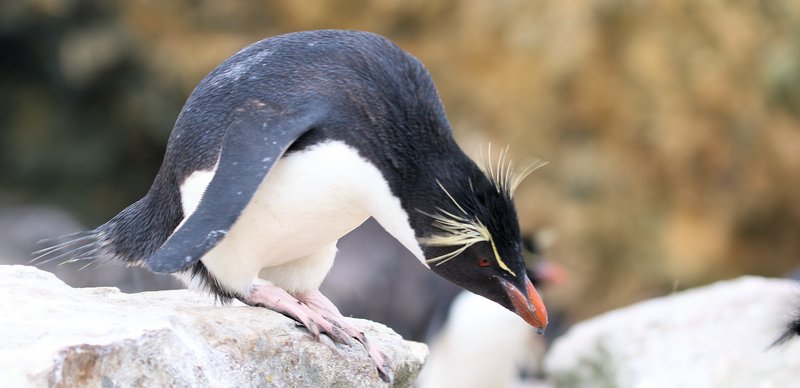
If weather conditions are favourable, another option is to explore Steeple Jason, where 200,000+ breeding pairs of Black-browed Albatross (70% of the world’s population) are joined by Western Rockhopper and Gentoo Penguins and we can also expect to find the predatory Striated Caracara, a bird that is now incredibly difficult to find on mainland South America.
When visiting South Georgia, all vessels are required to make a stop at Grytviken where ship clearance takes place but there is an amazing museum and the grave of Ernest Shackleton to visit along with opportunities to see Southern Elephant Seals, Antarctic Fur Seals and small numbers of King Penguins.
The most impressive penguin colonies are arguably at Salisbury Plain and St Andrew’s Bay but there are plenty of other beaches which are also very special such as Gold Harbour and Stromness.
Following the recent successful rat and mouse eradication project, the number of sites where one can find the endemic South Georgia Pintail and South Georgia Pipit has increased significantly so there are now good chances of finding both these species on your visit which was certainly far from guaranteed just a few years ago.
The transits between the Falklands and South Georgia and from there onwards to Antarctica (plus, of course, the Drake Passage when heading back to South America) provide a fantastic opportunity to see many species which you will not encounter around the islands or Antarctic Peninsula.
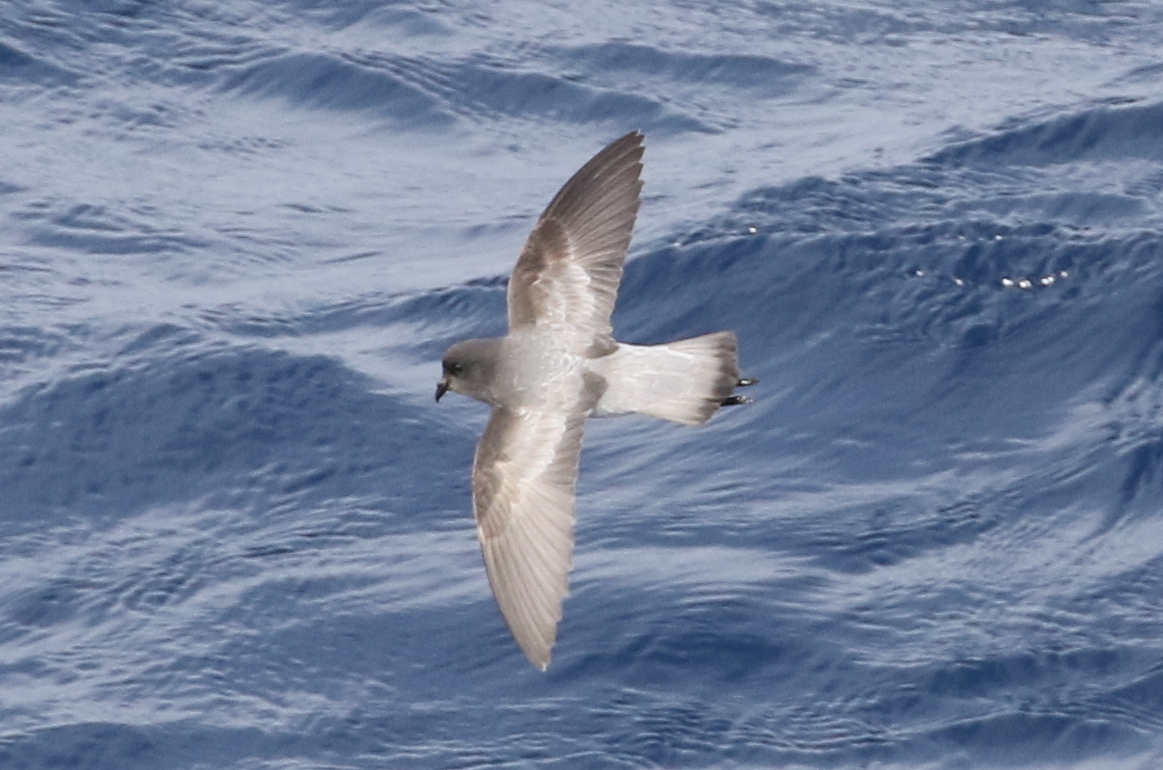
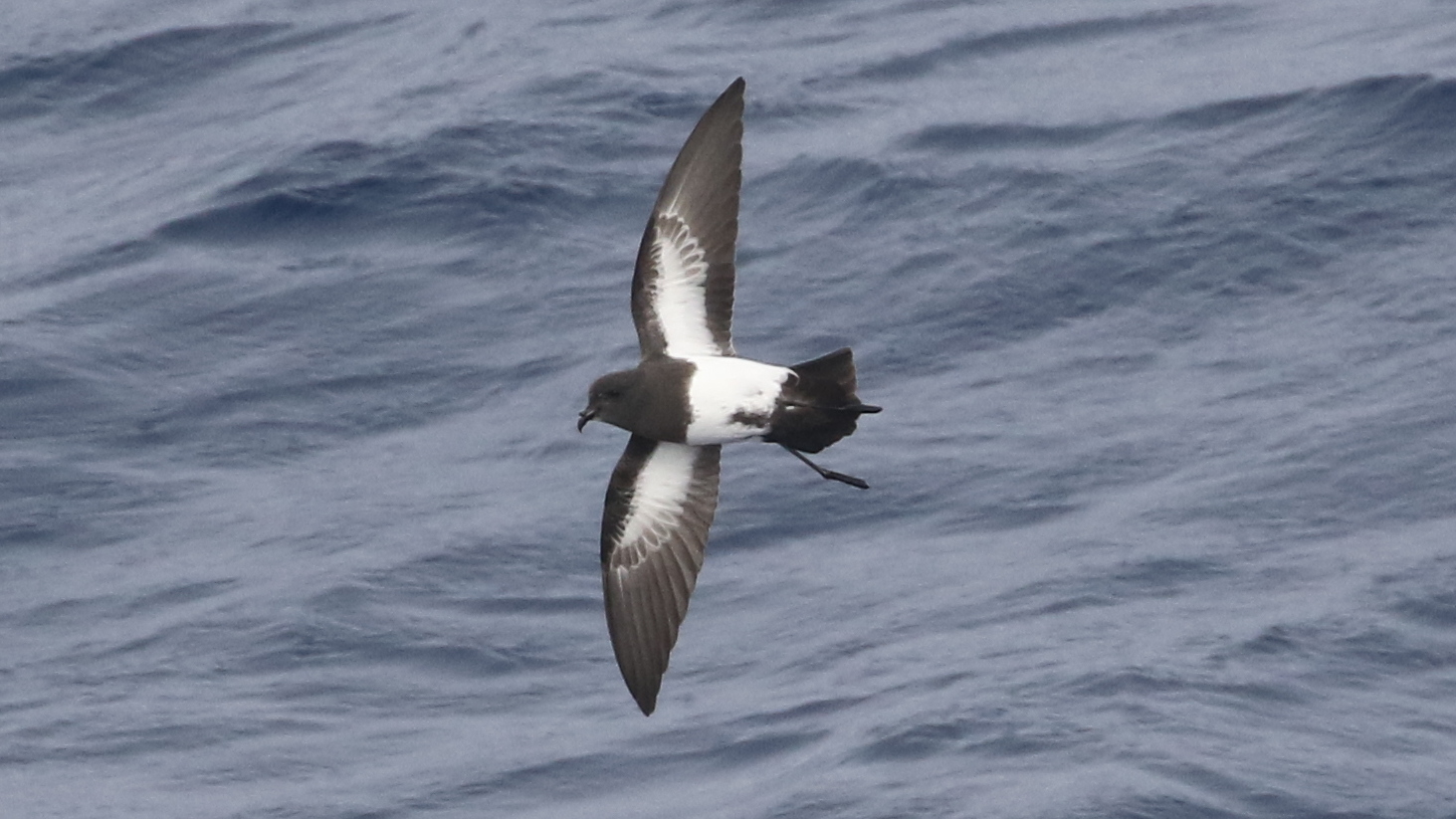
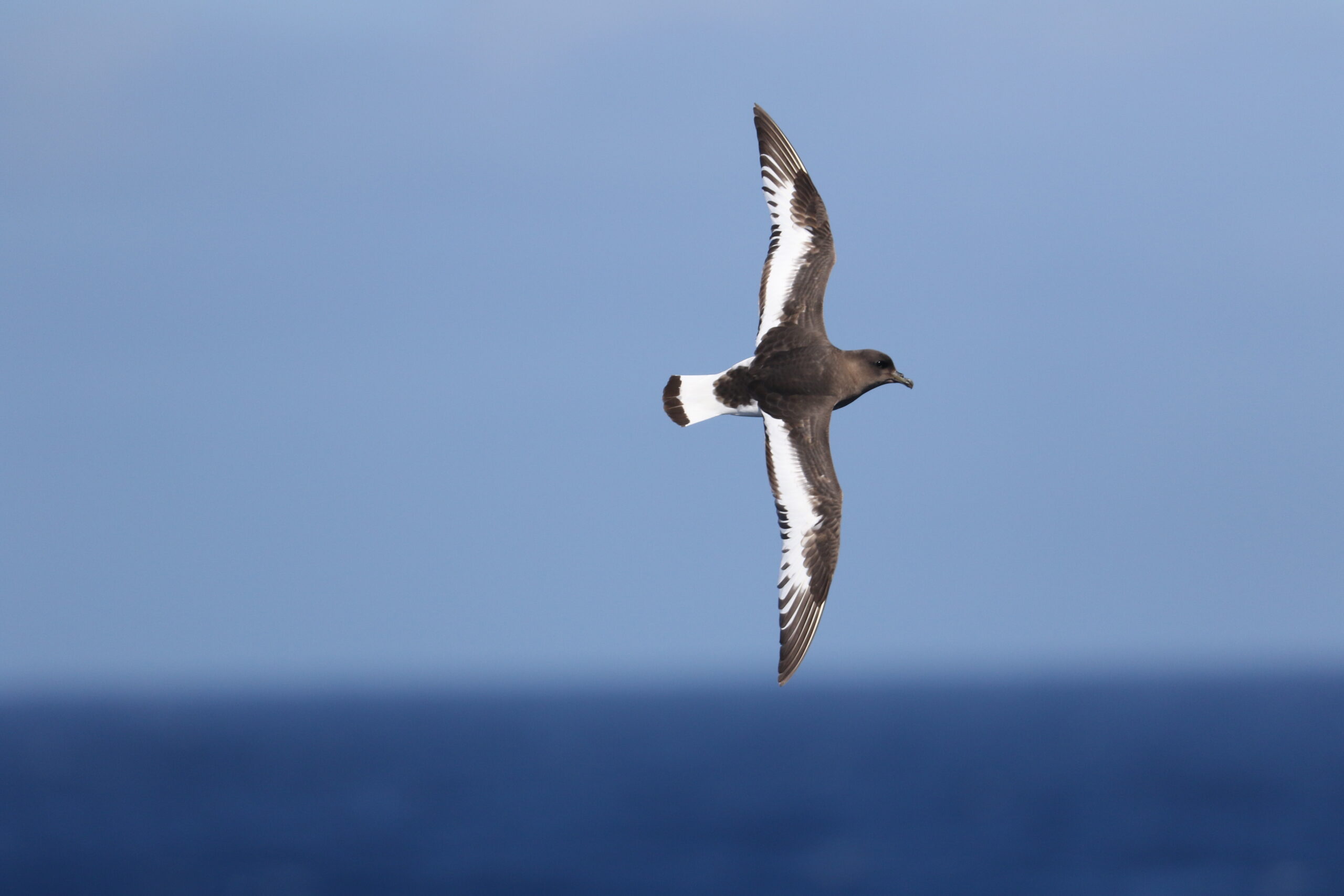
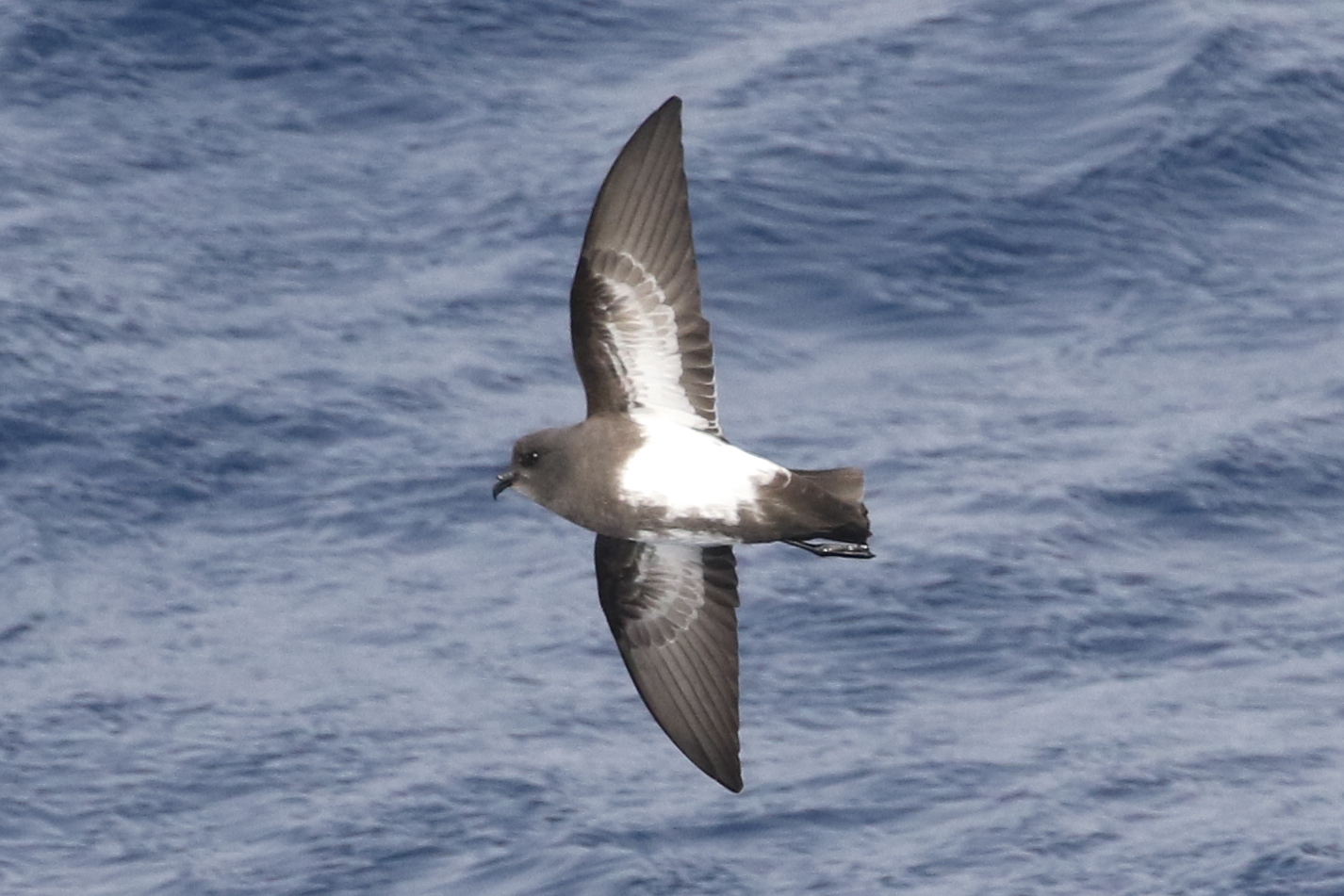
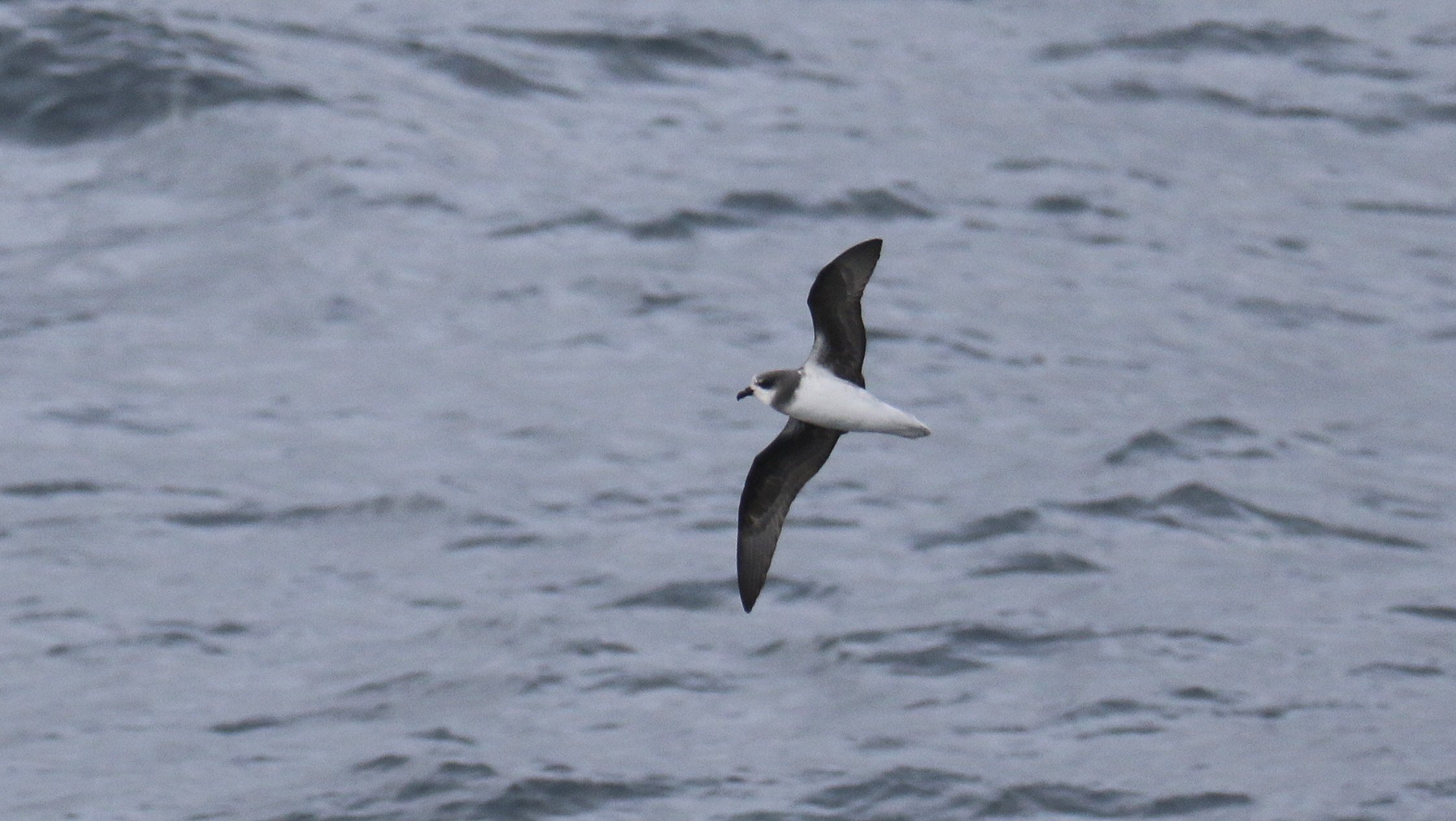
Although the Southern Ocean is notorious for the swells, storms and inclement sea conditions, in reality, you will be unfortunate to encounter really bad weather and your time at sea provides a fantastic opportunity to look for a great variety of seabirds. Snowy Wandering, Northern Royal, Southern Royal, Black-browed, Grey-headed and Light-mantled Sooty Albatrosses are all possible, along with both Giant Petrels, Southern Fulmar, Cape, (Lesser) Snow, Soft-plumaged, Blue and White-chinned Petrels. Amongst the smaller species, both Wilson’s and Black-bellied Storm Petrels are regular, as are Antarctic, Slender-billed and Fairy Prions, and with perseverance and a degree of luck, you could see something less common such as Sooty Albatross, Kerguelen Petrel, Great Shearwater or even an Emperor Penguin.
Whilst you are cruising close to land, Humpback and Antarctic Minke Whales as well as Orca (Killer Whales) are generally the most likely cetaceans, but a much wider variety of species are present out in the deeper water. Once again, it is a case of being out on deck, ‘putting in the hours’, and hoping that luck is on your side but Blue, Fin, Southern Right and Sperm Whales are all possible, as are smaller species such as Arnoux’s and Strap-toothed Beaked Whales and Hourglass Dolphin. Indeed, we strongly recommend always having a camera to hand as photos are often the best way of identifying the trickier species.
It is almost impossible to put into words, the breath-taking scenery of Antarctica and even the most harden birder will find it an incredible experience. Ice and snow will be a constant feature as your ship cruises between landing sites and on most occasions, you can expect two activities each day with these being a combination of landings and zodiac cruises.
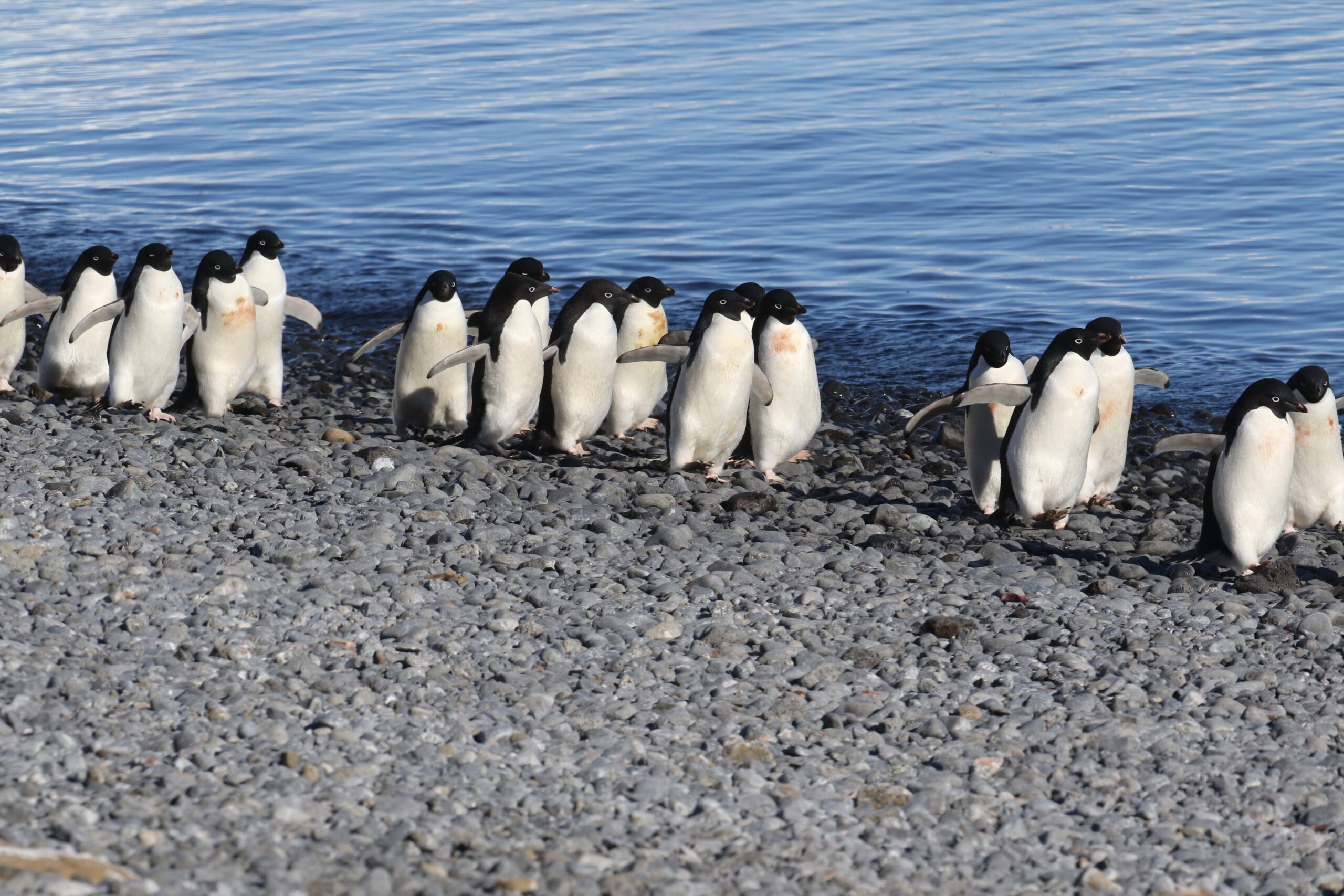
Whilst every voyage is unique, most trips will offer you the opportunity to visit colonies of Chinstrap, Adelie and Gentoo Penguins. There are also excellent chances of Weddell and Crabeater Seals and as the days start to shorten, the chances of finding Leopard and Antarctic Fur Seals generally increases. Almost irrespective of when you visit, you can expect to see Humpback Whales (with the highest numbers being at the end of the summer) and whilst wildlife can never be guaranteed, there are also opportunities to see Orca (Killer Whales) throughout the summer months.
As well as visiting the Antarctic Peninsula, most expeditions also make landings in the South Shetland Islands which have a slightly milder climate. For birders, a stop here is important to see Chinstrap Penguins as these are much less numerous around the Antarctic Peninsula itself and are only found at a handful of sites in South Georgia. The South Shetlands are also where some of the most popular landings are located with one of these being Deception Island, a volcano with an extraordinary flooded caldera which expedition ships are able to sail inside.
With excellent birding on the outskirts of Ushuaia at both the Tierra del Fuego National Park and around the Martial Glacier which overlooks the town, we recommend allowing time before your voyage to visit these stunning locations. Local specialities including Magellanic Woodpecker, White-throated Caracara and Magellanic Horned Owl can be found at the national park and the scree slopes and woodlands around the glacier offer chances for White-bellied Seedsnipe, as well as Thorn-tailed Rayadito, Austral Thrush and Andean Condor.
WildWings have been assisting clients in visiting Antarctica for over 30 years and Chris Collins (WildWings Managing Director) has made over 50 trips to the “Great White Continent” and spent many years both leading trips as Expedition Leader and working as a wildlife guide to the Falklands, South Georgia and Antarctica. We are, therefore, well place to advise you on the multitude of options which are available.
Day 1: Arrive in and explore Ushuaia
Arrive at Ushuaia, the world’s southernmost city surrounded by the wilds of southern Patagonia and framed by the jagged peaks of the Martial Mountains.
Make your way to your hotel, where you will spend the first night of the expedition. During the evening, meet your fellow voyagers and some of your expedition guides over dinner at the hotel.
Day 2: Morning at leisure, afternoon board Heritage Discoverer, sail east down the beagle Channel
Enjoy breakfast in the hotel restaurant and have the morning free to explore before returning to the hotel and departing for the Ushuaia Cruise Port to embark Heritage Discoverer.
The captain and expedition team will welcome you on board, and you will have time to settle into your cabin and familiarise yourself with the ship. You are invited to join the expedition team in the Observation Lounge as we set our course down the Beagle Channel and towards the Falkland Islands and our adventure begins.
Day 3: Southern Ocean
As we sail towards the Falklands, there will be important briefings on environmental regulations, expedition safety and use of the zodiacs.
You will also have the opportunity to learn about the biology and history of the Falkland Islands through a series of lectures and presentations and ease into ship life as we cross the South Atlantic Ocean.
There should be plenty to see outside with chances for the first “Great Albatrosses” (Snowy Wandering and Northern and Southern Royal) of the expedition.
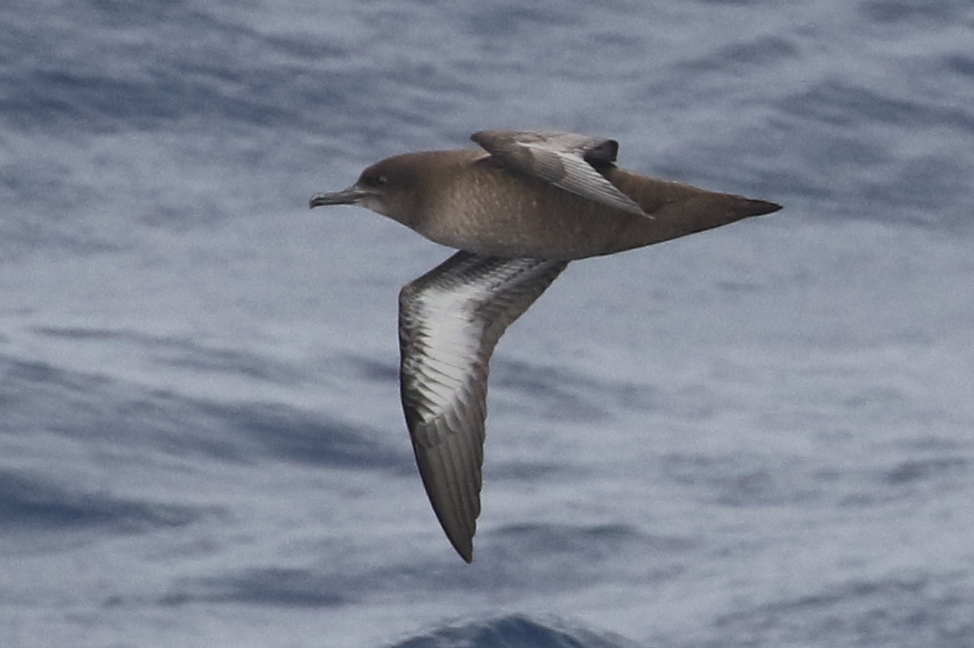
Both Wilson’s and Black-bellied Storm Petrels are likely and we could also find Sooty Shearwaters, Common Diving Petrels, as well as Cape, Blue and White-chinned Petrels.
Days 4-5: The Falklands
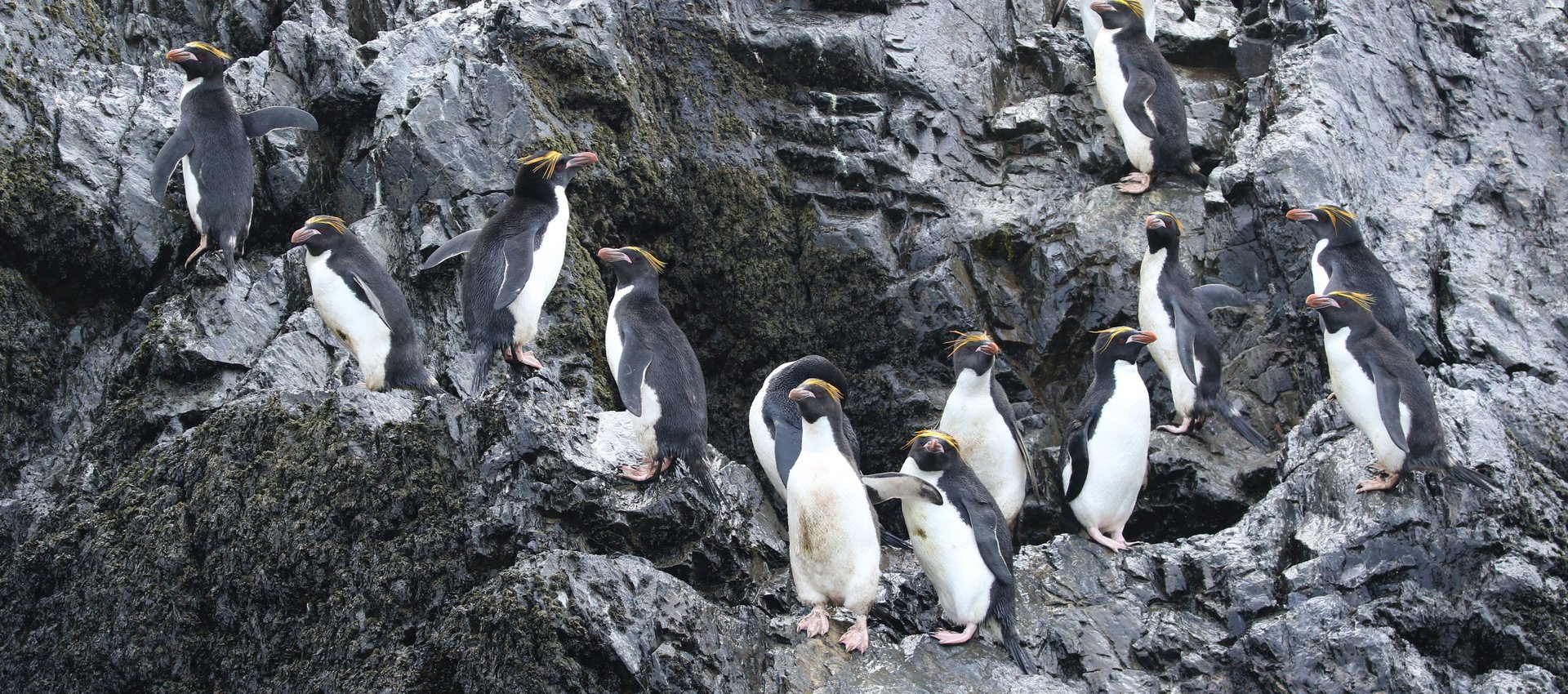
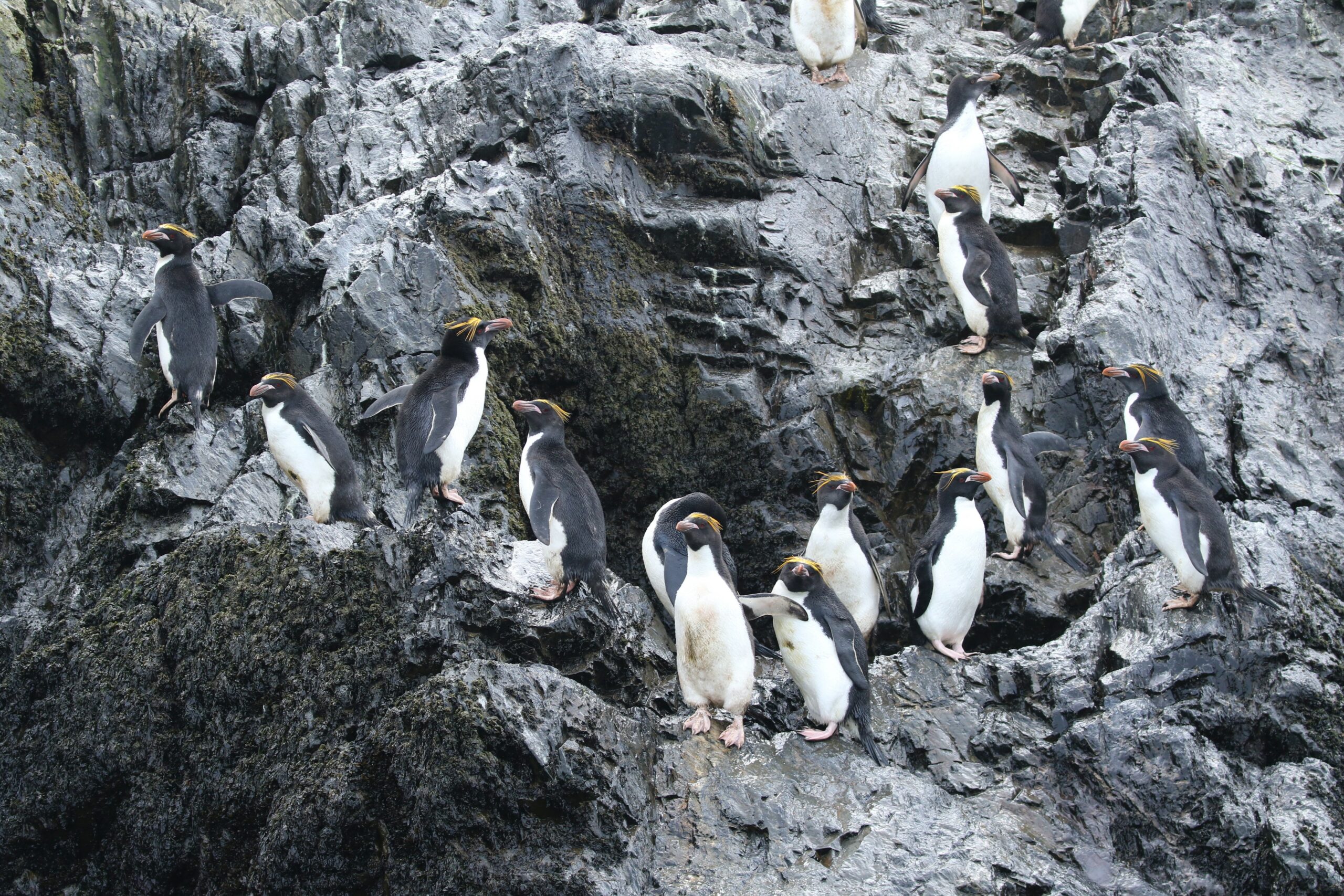
We have two days to explore the pristine wilderness of the Falkland Islands as we navigate East and West Falkland Islands and their remote satellite islands. This stunning landscape spanning more than 700 islands, quiet villages, white sandy beaches, spectacular towering cliffs and grassy fields of wildflowers is a birder’s paradise and home to five species of penguin – Gentoo, Western Rockhopper, Magellanic, King and Macaroni and the world’s largest Black-browed Albatross colony.
We will also be looking for the endemic flightless Falkland Steamer Duck and, if lucky, the elusive Cobb’s Wren among Black-crowned Night Herons, Long-tailed Meadowlarks and Upland and Kelp Geese.
Our adventures may see us stretching our legs on Carcass Island, where Southern Sea Lions, South American Fur Seals and Southern Elephant Seals can be found lazing on the beaches and among the tussock grass.
If weather conditions are favourable, we hope to explore Steeple Jason which is one of the most extraordinary islands in the archipelago. Some 200,000+ breeding pairs of Black-browed Albatross, 70% of the world’s population, nest here and exploring ashore on this remarkable island is an incredible experience. The albatrosses are joined by Western Rockhopper and Gentoo Penguins and we also stand a great chance of seeing the predatory Striated Caracara, a bird which is now highly endangered and extremely difficult to see on mainland South America.
The flora also punches above its weight here with 417 different plant species found across the Falkland Islands including the Dog Orchid and Vanilla Daisy.
History buffs will look forward to exploring colourful British outpost, and the capital ‘city’ of Stanley where nature preserves meet maritime exploration, hilltop memorials to the 1982 Falklands War, the Jubilee Villas and the opportunity to enjoy a pint with the friendly locals.
Days 6-7: At sea in the Southern Ocean
The journey from the Falkland Islands to South Georgia takes a couple of days and for anyone interested in seabirds and marine mammals, this is invariably a very special experience with a fantastic range of possible species.
Snowy Wandering, Northern Royal, Southern Royal, Black-browed, Grey-headed and Light-mantled Sooty Albatrosses are all possible and with luck (and perseverance !!), other species such as Sooty Albatross can sometimes be seen.
Both Southern and Northern Giant Petrels are also highly likely to be following the ship during this transit and amongst the smaller species, both Wilson’s and Black-bellied Storm Petrels are regular, as are Antarctic, Slender-billed and Fairy Prions. Other possibilities include Southern Fulmar, Cape, Soft-plumaged, Blue and White-chinned Petrels and, if we are fortunate, a Great Shearwater or Kerguelen Petrel.
At some point during the journey, the ship will cross the Antarctic Convergence which is where the water temperature drops considerably over just a few hours.
On the afternoon of Day 7, we plan to ship cruise the 150-million year-old Shag Rocks. Despite their inhospitable appearance, this collection of six, wind and wave carved jagged islets rising up to 75 metres (246ft) out of the Southern Ocean, are an important seabird breeding site, in particular for the South Georgia Shag, after which the rocks are named.
The nutrient-rich waters surrounding the rocks are filled with krill, fish and squid and make Shag Rocks perfect for cetacean spotting. A host of exciting species occur in these waters and there are chances for Fin and Humpback Whales, with occasional sightings of Blue and Southern Right Whales.
Days 8-10: South Georgia
South Georgia truly is one of the most incredible islands on the planet and is sometimes referred to as the ‘Serengeti of the Southern Ocean’ with millions of seabirds and tens of thousands of seals coming to the island each year to breed.
We have four days and a flexible itinerary to explore this astounding wildlife sanctuary. Here, among the rugged, unrestrained beauty of towering, ice-capped mountains, glaciers, endless beaches, grasses and the clear emerald water of this British Overseas Territory, resides one of the world’s wildlife hotspots.
Our voyage is timed to coincide with the start of the breeding season, when it is believed South Georgia has more wildlife per square metre than almost anywhere else on Earth. The sheer spectacle and numbers are mind-boggling: more than 60 million seabirds (including White-chinned Petrel, Common and South Georgia Diving Petrels and 50 million Antarctic Prions), one million King Penguins (the world’s largest population), 3.5 million Antarctic Fur Seals (more than 95% of the world’s population) and 400,00-plus Southern Elephant Seals (half the world’s population).
Other wildlife to look out for includes Macaroni and Gentoo Penguins, Snowy Wandering, Black-browed, Grey-headed and Light-mantled Sooty Albatrosses, South Georgia Shag, South Georgia Pipit and South Georgia Pintail. While Humpback, Blue and Southern Right Whales are also known to visit the waters which surround the island.
High on our agenda are visits to Salisbury Plain, St Andrew’s Bay and Gold Harbour, where the chaos of thousands of King Penguins blanketing these shores offers one of the world’s best birding spectacles.
Despite the abundance of wildlife, Antarctic Fur Seals were once hunted to almost extinction for their fur in the early 19th Century and the settlement of Grytviken was once a grizzly whaling centre. Although the historic whaling station is still a feature, Grytviken’s legacy is now the final resting place for heroic explorer Sir Ernest Shackleton, where we plan to pay our respects.
Days 12-13: At sea in the Scotia Sea
Any day at sea in the Southern Ocean is going to be an incredible experience for anyone interested in seabirds and as the ship heads in a southwesterly direction, there are likely to be further chances for many of the species which were possible on the transit from the Falkland Islands to South Georgia. As the ship reaches lower latitudes, several more southerly species become possible and these could include Snow Petrel which sometimes fly in the flocks of Cape Petrels that often follow the ship for hours at a time.
As we continue onwards, the icebergs will become bigger and more plentiful, with the programme of informative presentations also continuing for those wanting a break from wildlife watching.
Days 14-19: Antarctica and the South Shetland Islands
Both early season and mid-summer Antarctica are especially magical times, pairing long, clear days with an abundance of wildlife and spectacular lighting. Even the most novice photographer can’t fail to take exceptional photos with the low hanging sun creating epic sunrises and sunsets, washing icebergs, ice, sea and sky in vivid colours.
Our voyage is timed to coincide with the breeding season, when Antarctica’s wildlife converges in full force and mating behaviours at chaotic penguin colonies can be observed. Icebergs, frequently clad with Chinstrap and Adélie Penguins, are also at their most captivating.
Landings here are frequent, maximising the long daylight hours and the opportunities they present, eventful, occasionally unexpected and always exciting.
We have six days, each with more than 20 hours of daylight, to explore multiple historic and wildlife-rich landing sites, hidden bays, quiet coves and walk on the ice and snow of the Seventh Continent.
Prepare to be dwarfed by nature as we discover alien landscapes and elaborate icescapes of unimaginable beauty carved by wind and waves, expedition cruising the South Shetland Islands, Antarctic Sound and down through the famed Lemaire Channel.
Walk amongst Gentoo, Chinstrap and Adélie Penguins and look for Weddell, Leopard and Crabeater Seals on passing ice floes, whilst in the water, Humpback and Minke Whales visit these important summer feeding grounds.
While specific landings cannot be guaranteed, they could include the following, and many other exciting opportunities as well:
Elephant Island
It is hard to believe this hostile environment of mostly vertical rock and ice cliffs sustained 22 crew from Shackleton’s Imperial Trans-Antarctic Expedition/Endurance Expedition for four-and-a-half months after their ship Endurance sank in the Weddell Sea. Elephant Island, part of the South Shetland archipelago, is also the starting point of Shackleton’s legendary rescue mission, which would see him and five of his crew sailing the small lifeboat James Caird to South Georgia, followed by an epic 36-hour transit of the South Georgia mountains and glaciers to Stromness.
Brown Bluff
This scenic setting in the Antarctic Sound, marries sheer stone walls, fallen boulders and ice-capped peaks, is the location of a large, bustling Adélie Penguin rookery, where Gentoo Penguins and Snow Petrels can also be observed. Brown Bluff also offers exceptional views of the pink-tinged Madder Cliffs in Kinnes Cove.
Whalers Bay, Deception Island
Taking its name from a prolific whaling history and the island’s ‘hidden’ entrance, Whalers Bay is a designated Historic Site tucked away in a small natural harbour used by sealers and then whalers from the 1820s. The buildings, structures and artifacts linked to these activities represent the most significant whaling remains in the Antarctic.
Whalers Bay is also the location of a ‘heated lagoon’ and fascinating microclimate courtesy of volcanic activity with Antarctic Terns, Cape Petrels, Kelp Gulls and Wilson’s Storm Petrels all breeding here.
Cierva Cove
A visit to Cierva Cove is sure to be a highlight as you weave through this magnificent body of water navigating astounding calved icebergs and ice sculptures set to the soundtrack of pops and crackles as air bubbles trapped for millennia escape from the brash ice surrounding your Zodiac. Cutting deep into the spine of the Antarctic Peninsula, if we are lucky, we may see huge slabs of ice sliding down the 1,300-metre mountain chain.
Ten species of birds breed here including a colony of Chinstrap Penguins and Humpback Whales are regular visitors. The plant life includes mosses (Drepanocladus uncinatus) and Antarctic hair grass (Deschampsia Antarctica).
Argentine research station Base Primavera is also located here.
Petermann Island
Petermann Island might be small, at just 1 kilometre in length, but this volcanic outpost boasts some incredible features. More than half the island is covered by a permanent icecap, and the island is both Antarctica’s northernmost Adélie Penguin colony and southernmost Gentoo colony. It is also the wintering site of renowned French Explorer Captain Jean-Baptiste Charcot’s second French Antarctic Expedition (1908–1910) aboard his aptly named ship Pourquoi-Pas? (Why Not?).
Anchoring in a cove he named Port Circumcision, Charcot carried out extensive scientific, cartographic, and biological research and left behind a number of artifacts still visible today, including the letters ‘PP’ engraved in stone.
An Argentine refuge hut and commemorative cross commemorate the deaths of three members of the British Antarctic Survey in 1982 and we may be able to climb to the top of the island for an amazing 360 degree view.
Port Lockroy, Goudier Island
This is the location of the famed Penguin Post Office, the world’s southernmost post office. Port Lockroy’s safe harbour in the Palmer Archipelago has attracted explorers, whalers, scientists, and sailors for more than a century. Featuring a young-ish (mid-80s established) Gentoo colony, historic sites and a museum including Britain’s Base A, part of a wartime mission code-named Operation Tabarin, all set among a backdrop of snowy mountain ranges and ice caps, a visit to the time capsule that is Port Lockroy never disappoints.
Paradise Bay
Once the anchorage site for whalers’ floating factory ships, Paradise Bay is now considered one of the Antarctic Peninsula’s most stunning locations, delivering the ultimate, unrestrained, iconic and pristine Antarctic wilderness experiences just north of the legendary Lemaire Channel. Going beyond otherworldly to other planetary, expect towering mountain peaks, ancient glaciers jutting out of steely blue water and shimmering icebergs the size of buildings floating on water so millpond calm (weather permitting) it perfectly mirrors this incredible scene.
Whales, Gentoo Penguins and Crabeater Seals are all known to frequent these waters and both Argentina’s Almirante Brown and Chile’s González Videla research stations are located here.
Cuverville Island
Cuverville Island combines a stunning, ice-capped landscape where steep cliffs and a boulder strewn beach meet the Antarctic Peninsula’s largest Gentoo Penguin colony (which is home to some 14,000 birds), while its shallow bay features astounding monolithic grounded icebergs perfect for Zodiac exploration.
With two thirds of the island covered by a huge, pointed dome icecap and mostly steep surrounds, there is just one landing site where whaling artifacts, including whale bones and a whaler’s dam, can still be found.
There is also the opportunity to stretch your legs, where a moderately challenging uphill hike rewards with a new perspective and stunning panoramic views over the Errera Channel and surrounding glaciers.
Days 20-21: Drake Passage
Named after the Elizabethan privateer, Sir Francis Drake, the Drake Passage will be our final opportunity to look for seabirds and cetaceans and whilst these waters are notorious for their rough seas, most crossings are generally reasonably smooth.
Many of the seabirds we are likely to have already seen should be present and as we get closer to the tip of South America, we have some of our highest chances of species such as Southern and Northern Royal Albatrosses.
If the conditions are kind, there are also chances for a wide range of cetaceans and whilst Fin Whale is probably the most likely, Blue, Southern Bottlenose and Strap-toothed Beaked Whale can occur although considerable luck is needed to see any of these species.
At some point on day 21, the South American coastline is likely to come into view and species such as South American Tern, Imperial Cormorant and Sooty Shearwater are once again likely to be amongst the more numerous species.
Day 22: Ushuaia and disembarkation
Early this morning, we will arrive in the Ushuaia Cruise Port. After a final breakfast aboard, we bid farewell to our fellow voyagers and take a complimentary coach transfer to the Ushuaia International Airport.
In case of unexpected delays due to weather and/or port operations, we ask you not to book any onward travel until after 12 noon.
Note: During our voyage, circumstances may make it necessary or desirable to deviate from the proposed itinerary. This can include poor weather and opportunities for making unplanned excursions. Your Expedition Leader will keep you fully informed. This tour offers a variety of activities and excursions. Your personal interests will determine which of these you wish to join. Please note that some activities and excursions will run at similar times, and it will not be possible to participate in both. Accordingly, refunds for excursions and missed landings are not available. Voyages are planned and scheduled pending final regulatory approval.
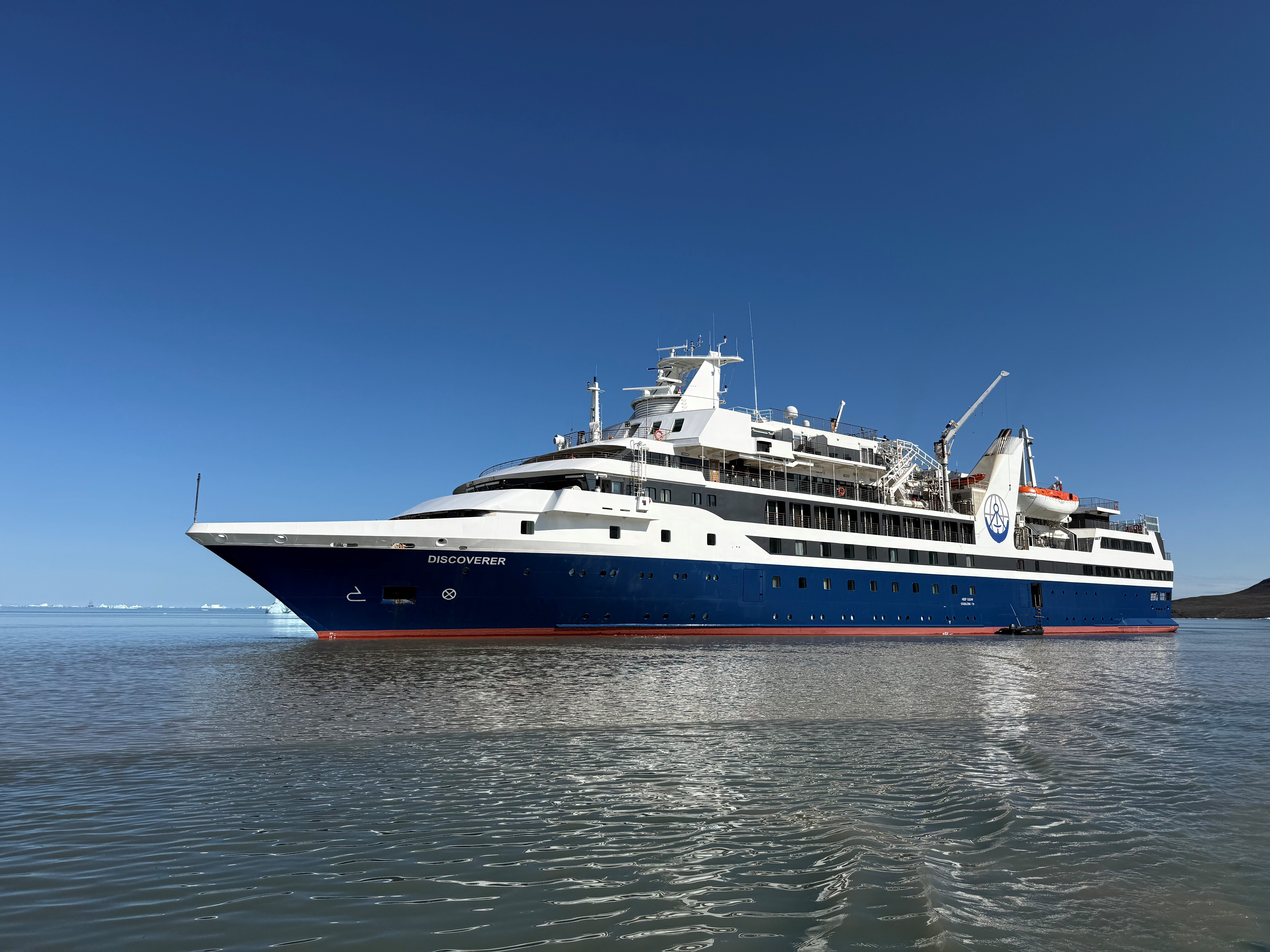
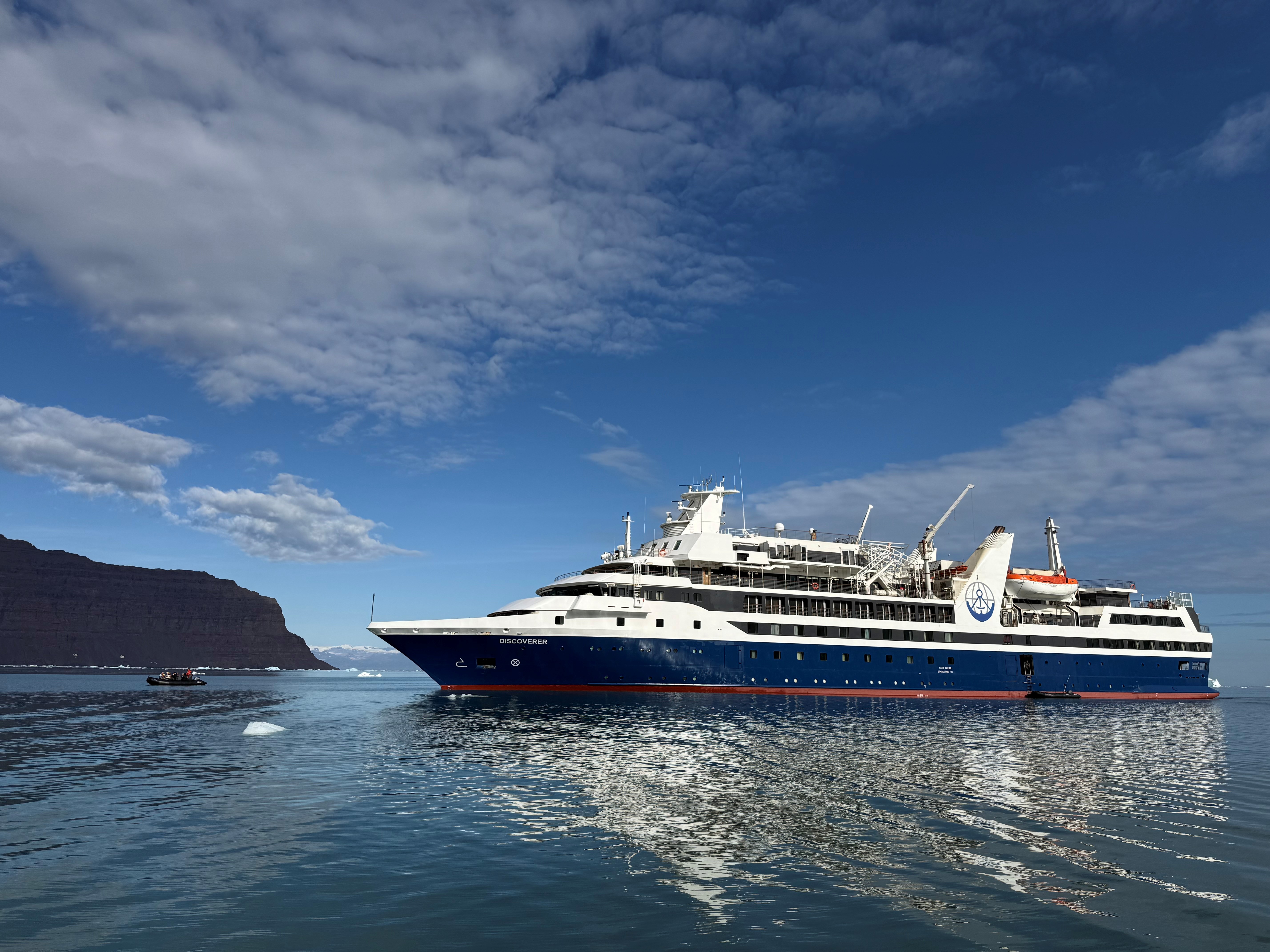
Heritage Discoverer is a trailblazing expedition ship, purpose-built to navigate the world’s most demanding waters. Combining decades of exploration, from the Northwest Passage to remote tropical waters, islands, atolls, and down to Antarctica, she boasts a 1A ice-class rating within luxurious, spacious surrounds.
Following renovations in 2018 and 2023, Heritage Discoverer (formerly Silver Explorer) blends adventure with exceptional comfort and personalised service.
Accommodating a maximum of 130 expeditioners with an Expedition Team of fifteen, and supported by a fleet of fourteen zodiacs, she ensures every guest can fully experience each destination.
Heritage Discoverer offers a range of comfortable cabin options and features 70 ocean-view accommodation options including 12 luxurious and spacious suites, from 37m2 to 67m2 with private balconies, along with inviting shared spaces designed for relaxation and learning.
On board, discover lavish amenities, welcoming social areas and expansive panoramic decks. Visit the Captain and crew on the Bridge under our Open Bridge policy, savour international gourmet fare crafted by leading chefs in our restaurant and grill, and celebrate the day’s adventures in the Bar and Lounge.
Watch your adventure unfold from one of the many spectacular viewing locations, including Heritage Discoverer’s breathtaking Observation Lounge, or take in the scenery from one of our well-appointed cabins, or your private balcony.
An expert team of naturalists, botanists and historians will help interpret the remarkable regions you explore and provide daily lectures in our comfortable Lecture Theatre. When it’s time to unwind, head to the Wellness Centre, where the sauna and dedicated massage room await, visit the well-equipped gym, or soak up the views from one of the two outdoor Jacuzzis.
Blending capability with comfort, Heritage Discoverer provides a luxurious base for exploring some of the world’s most remote destinations.
Tour Gallery
View a gallery of images for this tour below, click on an image to view as full size with caption



Ask About This Tour
If you have any questions about this tour, please enter your details here and we will get back to you as soon as possible.
Alternatively, contact us by email or phone. We look forward to hearing from you!
- 0117 965 8333
- [email protected]
Or complete the contact form and we will endeavour to get back to you as soon as possible.
* = required field